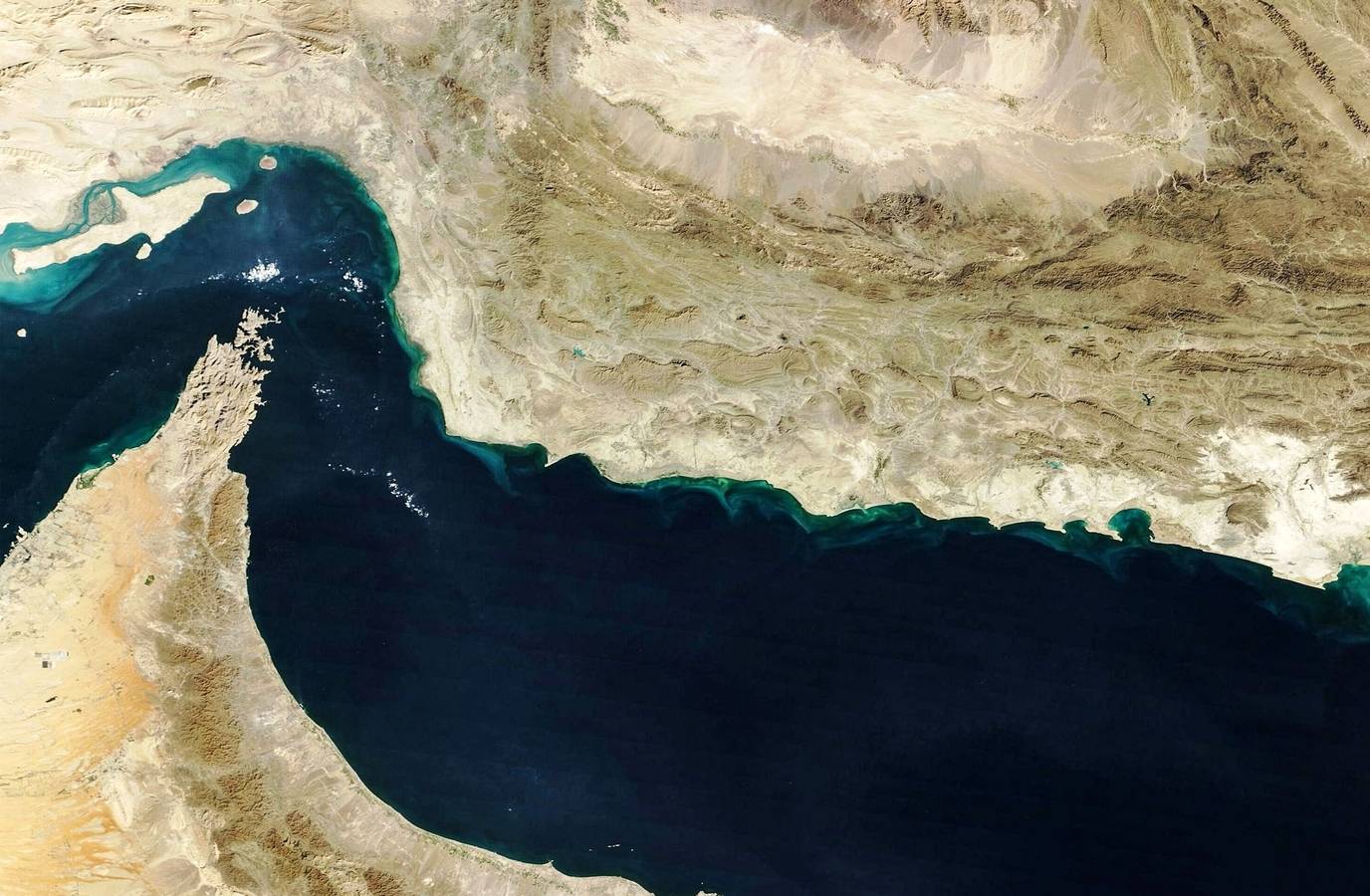
Amid ongoing tensions in the Strait of Hormuz, the Iranian navy fired at two India-flagged tankers north of Oman, sparking concerns over maritime security and the global energy crisis.
New Delhi has strongly protested against the incident and summoned the Iranian ambassador to India to convey its discontent.
The attack has raised major concerns over the global energy crisis, which was also witnessed in India.
India imports more than 85% of its crude oil, making it the world's third-largest oil importer, with most of the oil from the Gulf transiting through the Strait of Hormuz to reach India.
India has sufficient stocks of petrol, diesel, and cooking gas to handle any crisis, with approximately 60 days of actual fuel stock cover, according to the petroleum ministry.
Despite the full-scale war in West Asia, India has maintained steady maritime traffic through the Strait of Hormuz, with eight India-linked vessels having safely passed through the critical waterway since February 28.
MEA spokesperson Randhir Jaiswal affirmed that India continues to buy oil from diversified sources, keeping in mind the energy security needs and the current international markets.