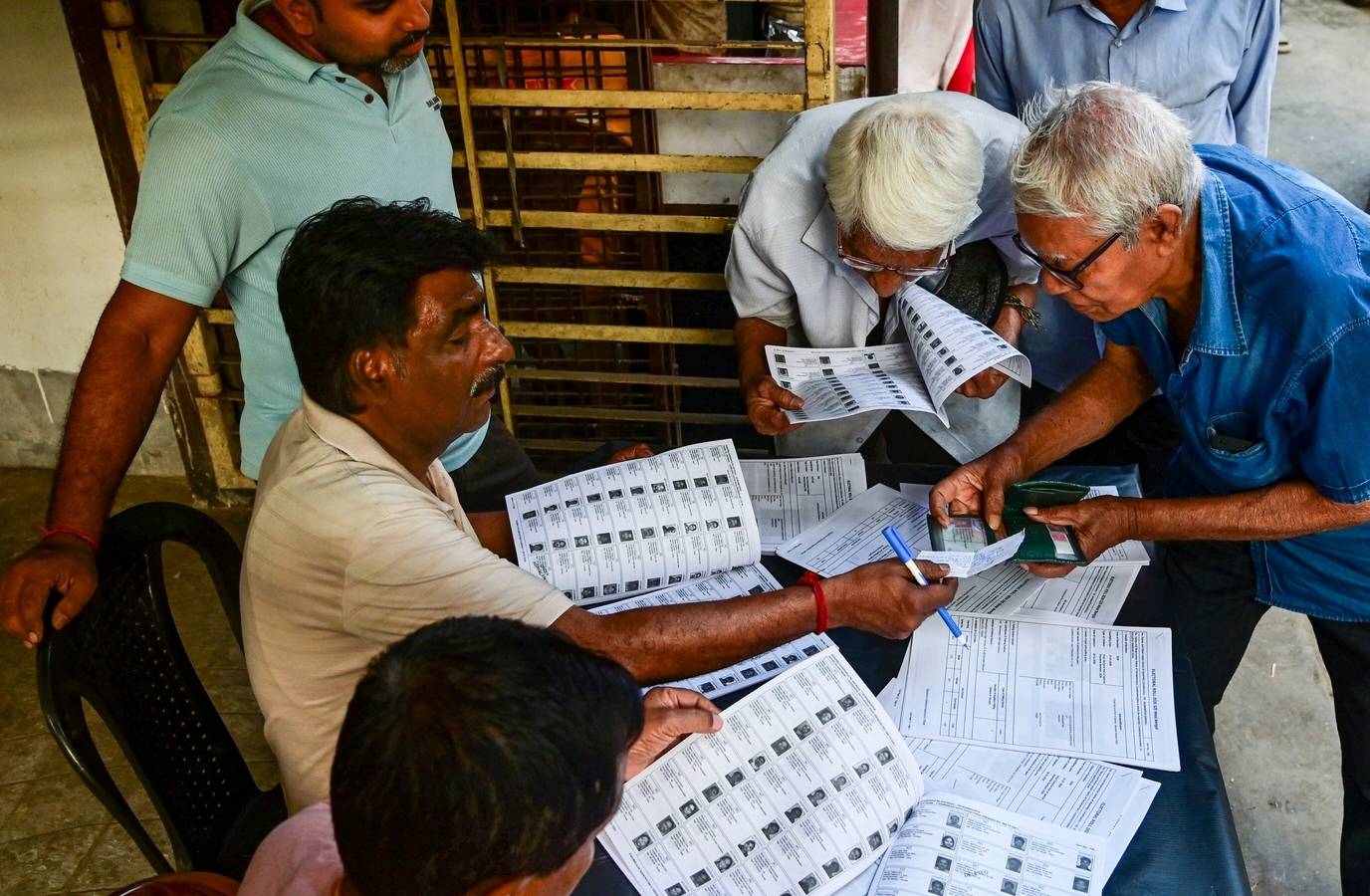
It has now been over eight months since the Election Commission of India (ECI) started its Special Intensive Revision (SIR) process to overhaul electoral rolls in India.
The exercise started with Bihar and has now been conducted in nine states and three Union territories, accounting for 237 of India’s 543 Lok Sabha constituencies.
This number excludes the 14 Lok Sabha constituencies of Assam, where the roll revision exercise is called Special Revision (SR) rather than SIR, and where the process is significantly different from that of SIR.
ECI has already announced that it will begin this exercise in the remaining parts of the country from April.
February 28 was an important milestone in this journey as ECI released the final electoral roll for West Bengal with six million electors on the rolls still facing scrutiny.
The list was issued after a Supreme Court order, which perhaps tried to pre-empt the disruptive impact the ongoing scrutiny could have had on the timely conduct of elections in the state, as a new assembly must be formed before May 7.
West Bengal’s problem is not the only one associated with the ongoing SIR exercise. In fact, India’s biggest state, Uttar Pradesh, is still trying to finish the process and ECI has set a revised deadline of April 10 for the state.
All of this makes it a good opportunity to ask what do we know about the SIR exercise so far? Here are five key trends which can be flagged.