India Takes a Giant Leap Towards Sustainable Infrastructure with Bio-Bitumen Licences
Bio-bitumen, jointly developed by the CSIR and the Indian Institute of Petroleum, is made from crop residues such as paddy straw| India News
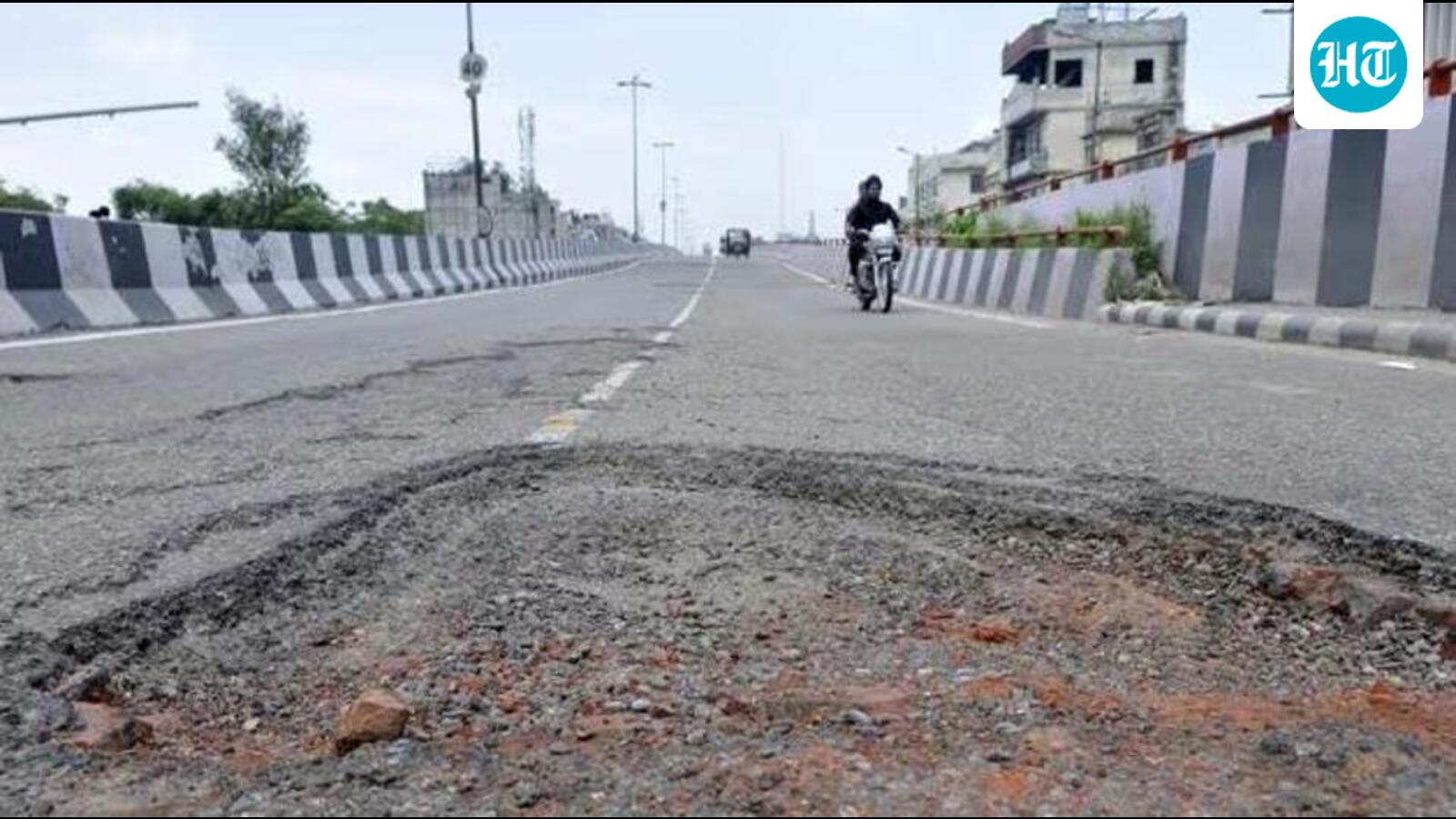
New Delhi: In a significant step towards reducing carbon emissions and import dependency, the Council of Scientific and Industrial Research (CSIR) has granted licences to multiple Indian manufacturers to produce bio-bitumen. This eco-friendly alternative to petroleum-based bitumen is made from crop residues such as paddy straw and can be blended with conventional bitumen used in highways.
The innovative partnership between CSIR and the Indian Institute of Petroleum has led to the development of bio-bitumen, which not only reduces pollution caused by crop burning but also strengthens the circular economy. Road Transport and Highways Minister Nitin Gadkari hailed the innovation, saying it could deliver substantial economic and environmental benefits.
Gadkari stated that by utilising agro-waste, India can save nearly ₹4,500 crore in foreign exchange and significantly reduce its dependence on imported crude oil with just 15% blending. This move builds on India's existing practice of using shredded plastic in bituminous roads, which has been recommended by the Indian Roads Congress and the Ministry of Road Transport and Highways.
According to CSIR scientists, laboratory tests and pilot studies have shown promising results, with bio-bitumen performing well when blended with conventional binders. Bio-bitumen meets key durability requirements and offers a lower-carbon alternative for road building, aligning with India's push for greener, home-grown infrastructure solutions.