North-west India Drought: Region Faces One of Its Driest Winters on Record
Western disturbances — extratropical storm systems originating in the Mediterranean that bring crucial winter moisture to northern India — have travelled at unusually high latitudes this season, giving the subcontinent a complete miss| India News
North-west India is experiencing a severe drought this winter, with a staggering 84.8% rainfall deficiency in December and 84% in the first ten days of January. The region's hills are parched, and snow is scarce, a rare occurrence for the time of year.
According to the India Meteorological Department (IMD), the dry spell is caused by western disturbances bypassing the region entirely. These disturbances, which bring crucial winter moisture to northern India, have travelled at unusually high latitudes this season, leaving the subcontinent dry.
'The main reason for such dry conditions is that western disturbances did not affect the Western Himalayan region this winter,' said M Mohapatra, director general of IMD. 'A WD is approaching, but it's unclear if it will bring rain and snowfall.'
The drought-like conditions have raised concerns for agriculture, water resources, and tourism. Snowfall in the Himalayas serves as a crucial water source for rivers feeding the Indo-Gangetic plains, and its absence could have devastating effects on water availability.
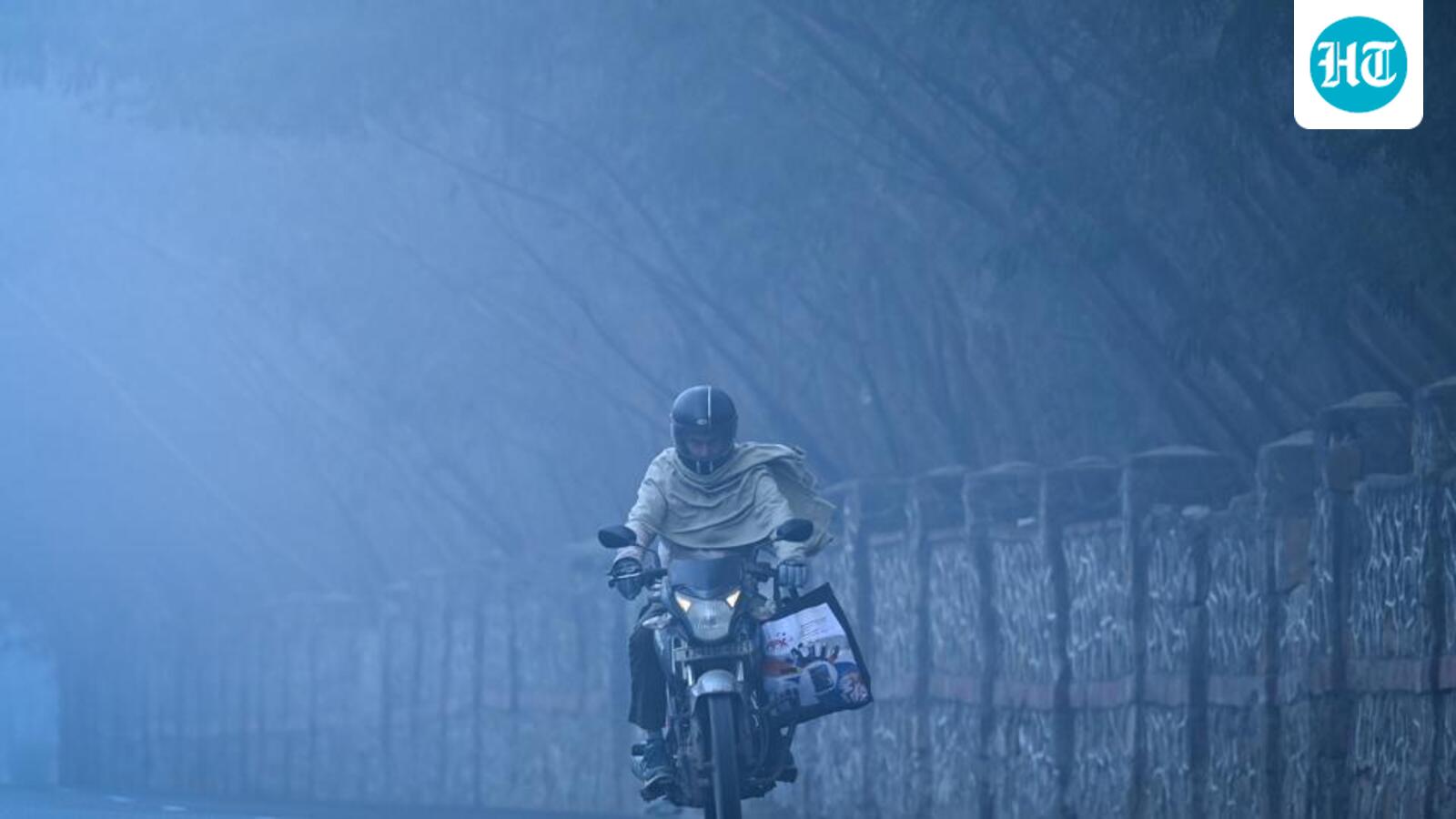
Meanwhile, northern India is battling persistent cold, with minimum temperatures dropping below 0°C at many places. Dense fog is expected to persist over north-west India and Bihar for the next five to seven days, affecting Punjab, Haryana, Chandigarh, Rajasthan, and other areas.
The IMD has forecast cold wave to severe cold wave conditions in isolated pockets of Rajasthan, Himachal Pradesh, Punjab, Haryana, Chandigarh, Delhi, and Odisha. The region's ski resorts, a key revenue source for states like Himachal Pradesh and Uttarakhand, are also affected by the drought.
East and north-east India are also struggling with precipitation numbers, recording an 81% rain deficiency in January and 95.2% in December. Virtually no precipitation has been recorded in Assam, Meghalaya, Nagaland, Manipur, Mizoram, and Tripura.