Pakistan Rushes to Revamp Military Amid Operation Sindoor Fallout
CDS General Anil Chauhan said Pakistan’s steps after the operation, including changes to its military leadership structure, indicated major weaknesses.| India News
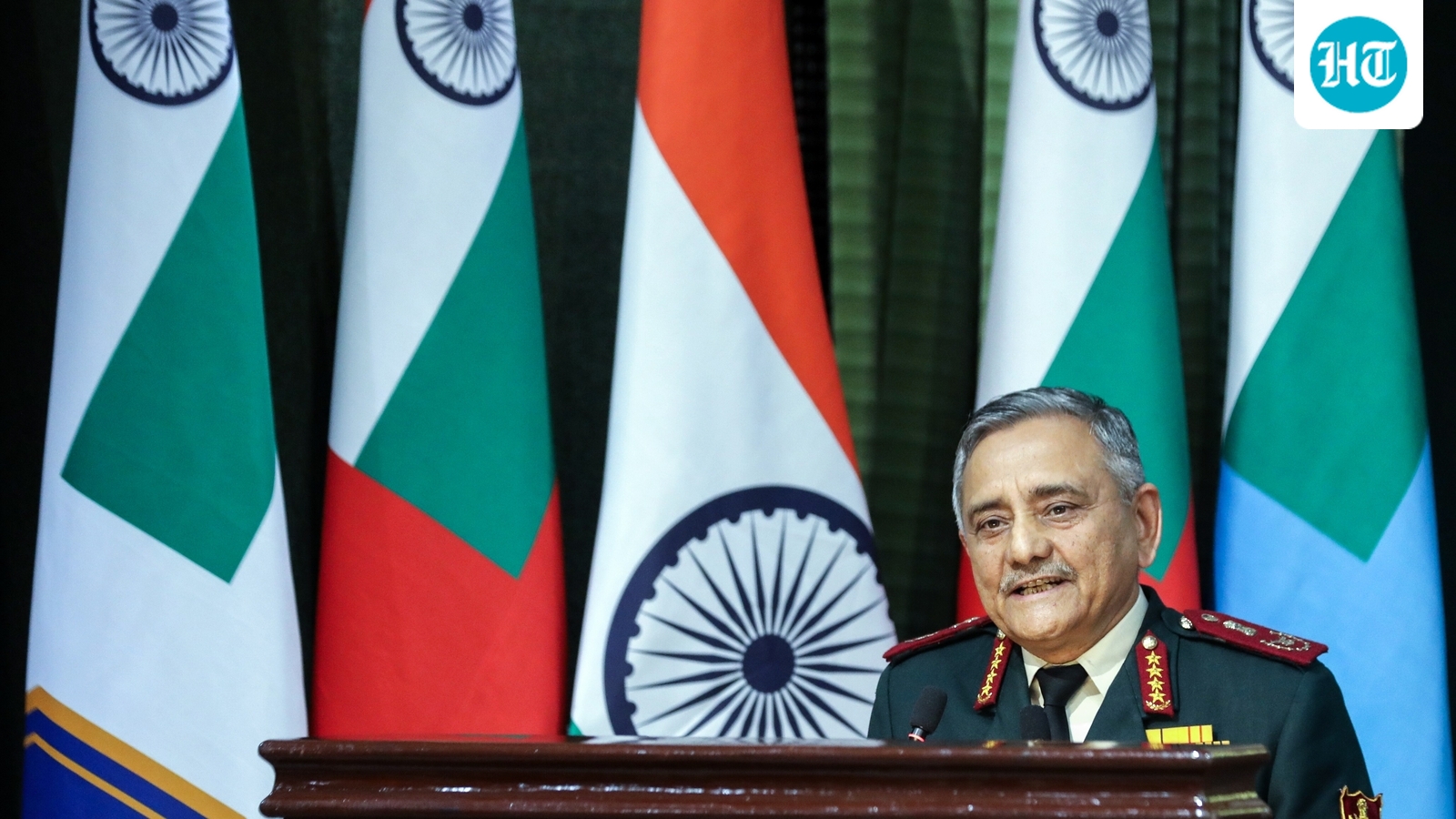
India's military operation, code-named Operation Sindoor, has left a lasting impact on Pakistan's military structure. According to Chief of Defence Staff General Anil Chauhan, Pakistan hastily amended its Constitution and reorganized its top defence organization in response to the operation.
The move came after India launched a targeted strike on terror bases in Pakistan on May 7 last year, in retaliation for the April 22 Pahalgam attack that killed 26 civilians. The operation marked a significant turn in the conflict, as Pakistan's actions revealed major weaknesses in its military leadership.
Gen Chauhan pointed out that Pakistan amended Article 243 of its Constitution, which defines the relationship between the civilian leadership and the military. The changes led to significant reforms in the country's higher defence structure, including the scrapping of the chairman of the joint chiefs of staff committee and the establishment of a National Strategy Command and an Army Rocket Forces Command.
Field Marshal Asim Munir, who has been serving as army chief since November 2022, was appointed to oversee the navy and air force under the amended structure. The new system grants him lifetime immunity from arrest and prosecution, a move that critics have warned could lead to authoritarianism.
Gen Chauhan noted that the changes have concentrated land, joint, and strategic military authority in the hands of one person, creating a land-centric mindset. India and Pakistan reached a ceasefire agreement on May 10, four days after the operation, but the impact of Operation Sindoor can still be seen in Pakistan's military reforms.
The creation of the Rocket Forces Command and the appointment of Field Marshal Munir reflect a significant shift in Pakistan's military strategy, one that is likely to have far-reaching consequences for the country's defence capabilities and its relationship with India.