
US Withdrawal from Key Climate Bodies Deals Blow to Global Efforts, Experts Warn
The US withdrew from 66 international organisations and conventions on Wednesday, with its most significant exit, from the UNFCCC| India News
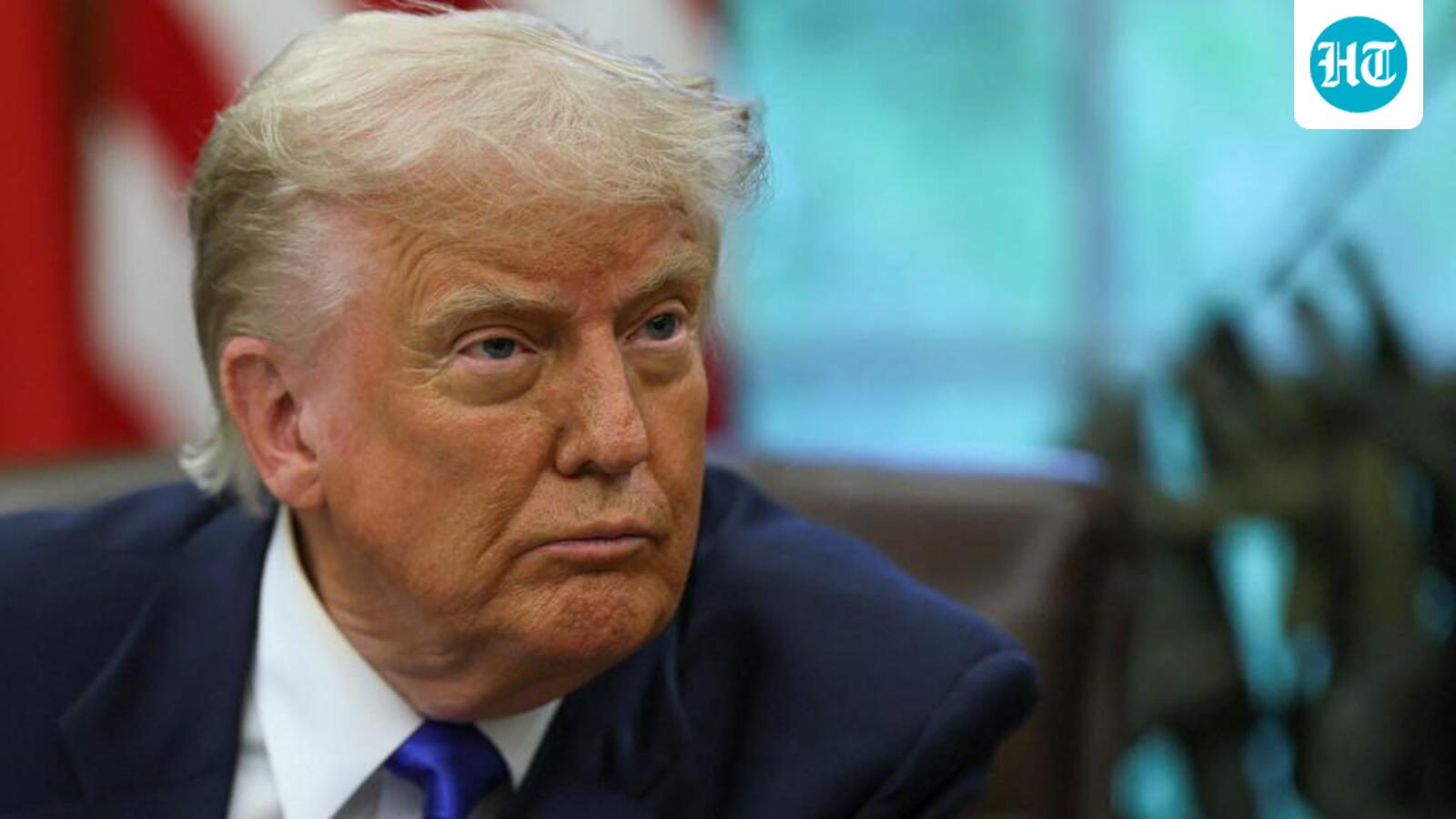
In a move that has sent shockwaves across the globe, the United States has withdrawn from 66 international organisations and conventions, including the United Nations Framework Convention on Climate Change (UNFCCC) and the Intergovernmental Panel on Climate Change (IPCC). This decision is expected to severely impact global climate efforts, with experts warning that the US is abandoning its responsibility to address the climate crisis.
The US has cited that these organisations do not align with its interests, and that the funding allocated to them is a 'waste of taxpayer dollars'. However, experts argue that this move will not only harm the US but also the global community. The US is the world's largest historical emitter of greenhouse gases, and its withdrawal from the climate framework will make it difficult for the country to meet its obligations under the Paris Agreement.
The UNFCCC was established in 1992 to provide a platform for countries to discuss and address climate change. The Paris Agreement was a result of these discussions, and it has been ratified by almost 200 countries. The US is the first developed country to withdraw from the agreement, and its exit will have far-reaching consequences.
Developing countries are now being called upon to take on a greater role in addressing climate change. Avantika Goswami, programme manager at the Centre for Science and Environment, said that it is essential for developing countries to champion the cause of climate action. Roxy Mathew Koll, a climate scientist and IPCC author, stressed that climate action cannot be delayed by political developments.
The US's withdrawal from the climate framework may also have economic consequences. David Widawsky, Director of the World Resources Institute, US, said that the move is a 'strategic blunder' that will give away American advantage for nothing in return. Simon Stiell, Executive Secretary of UNFCCC, also voiced similar concerns, stating that this move will harm the US economy, jobs, and living standards.
The US is not alone in its efforts to address climate change. China is the world's largest CO2 emitter, followed by the US, India, Russia, and Japan. However, the US has the highest per capita emissions among the top 10 emitters. Among the organisations the US is exiting are the Intergovernmental Science-Policy Platform on Biodiversity and Ecosystem Services, International Renewable Energy Agency, and International Solar Alliance.
The Indian government has noted reports on the US withdrawal from 66 international organisations, including the International Solar Alliance. The ISA represents 125 member/signatory countries and remains focused on its objective of supporting member countries in scaling up solar energy.
Experts warn that the US's withdrawal from the climate framework will have far-reaching consequences, not only for the US but also for the global community. The need for uninterrupted planning and resilience in addressing climate change is more pressing than ever. As Koll said, 'Global warming does not pause for politics... Adaptation planning, early warning systems, and resilient infrastructure should not be held hostage to geopolitical shifts.'