Vaishno Devi Medical College Loses Accreditation Amid Controversy Over MBBS Seat Allotment
Following the revocation, Omar Abdullah said while people fight for getting medical college in other states, people but in Jammu fought for closing down one.| India News
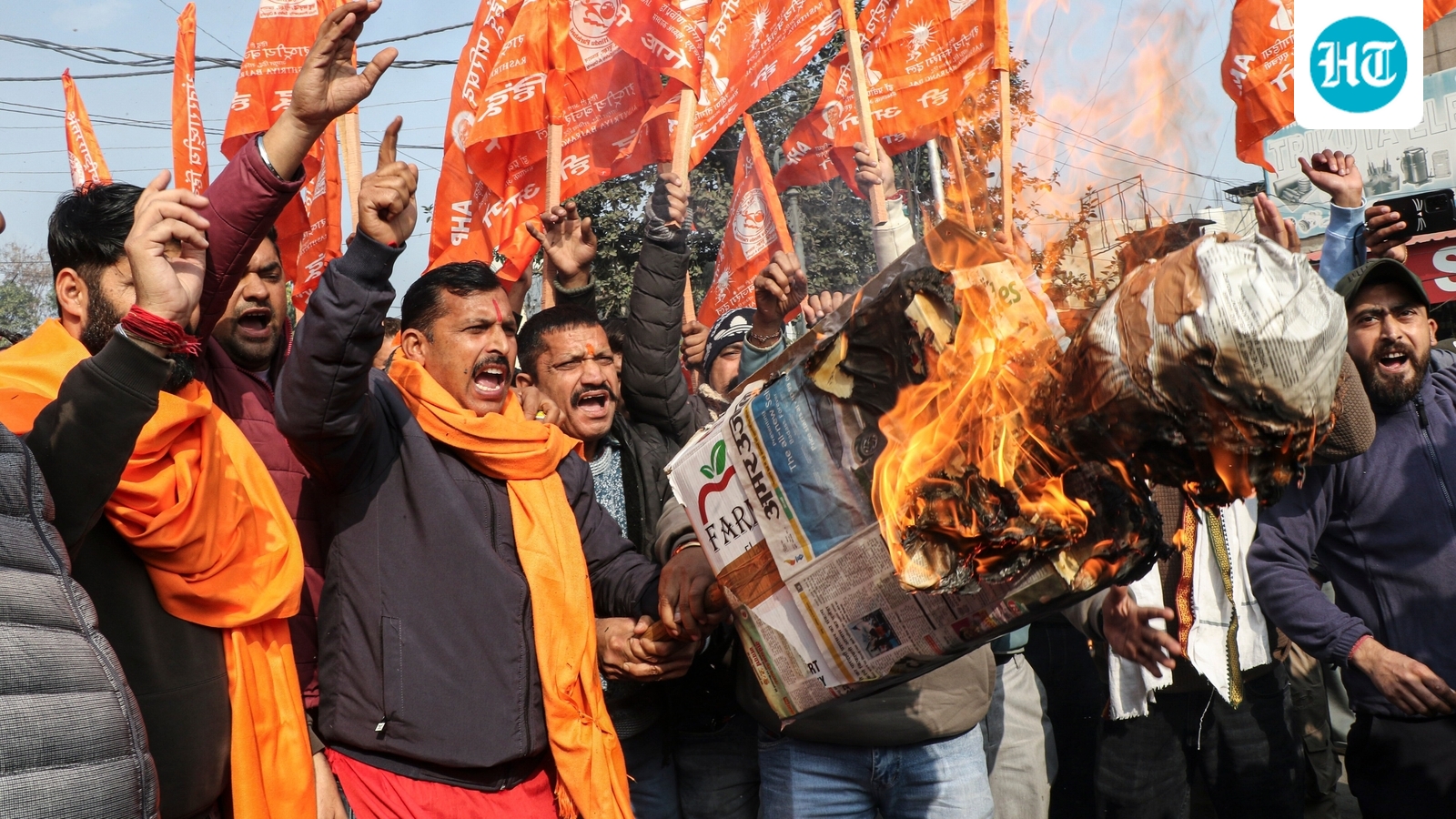
The National Medical Commission (NMC) has revoked the accreditation of the Shri Mata Vaishno Devi Institute of Medical Excellence (SMVDIME) in Jammu and Kashmir's Reasi district due to 'gross deficiencies' in infrastructure. This decision comes after a two-month-long controversy surrounding the allotment of MBBS seats, which sparked protests and calls for the college's closure.
The college, which was sanctioned 50 MBBS seats in September last year, admitted 42 Muslim students out of 50, sparking outrage among some groups who claimed the admissions favored Muslims. The Medical Assessment and Rating Board (MARB) of the NMC cited poor infrastructure, lack of clinical material, and a shortage of qualified teaching staff as reasons for the revocation.
The controversy began in November when a right-wing group flagged the admission process, demanding reservation of seats for Hindus. Although the college authorities and the Chief Minister, Omar Abdullah, pointed out that admissions were made based on NEET scores, the numbers seemed to favor Muslims due to their national-level test scores and the 85% reservation for domiciles of the Muslim-majority UT.
The protests led to demands for state-level minority status for the institution, which would allow it to reserve seats for Hindus. However, the NMC has assured that the enrolled students will be accommodated in other medical institutions within the UT.
The BJP has welcomed the decision, calling it a commitment to quality over quantity. The affected students will be transferred to a Supernumerary Seat in other UT colleges. The Chief Minister, Omar Abdullah, has expressed his views on the situation, stating that while people elsewhere in the country fight for a medical college, people in Jammu fought for its closure.
The revocation of the college's accreditation has raised questions about the quality of medical education in the region and the need for infrastructure improvements. The situation highlights the complexities of medical education and the challenges faced by institutions in rural and remote areas.