West Bengal is a unique state in India, where political power has changed hands only once since 1977. The current elections are dominated by two factors: the disproportionate deletion of voters in Muslim-dominated districts and assembly constituencies, and the unprecedented 'sanitization' measures implemented by the Election Commission of India (ECI). The narrative of this election is often overshadowed by the debate around ECI's alleged partiality, but it's essential to consider the historical context of West Bengal politics.
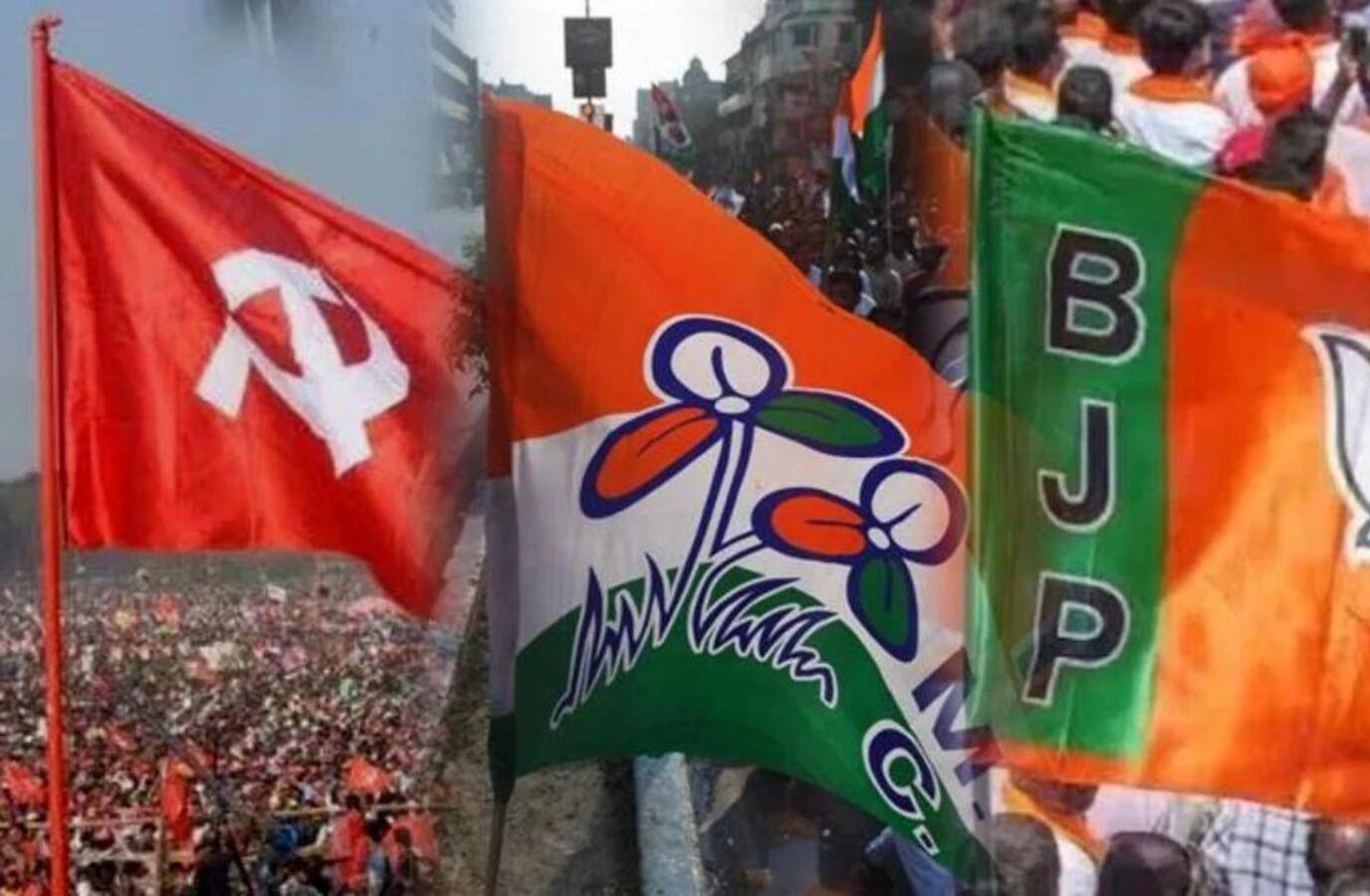
Elections in West Bengal have long been a violent affair, with the 1972 elections being perhaps the most controversial. The CPI (M) managed to win the 1977 election as an opposition party under difficult circumstances. The TMC ousted the CPI(M) amid large-scale electoral and non-electoral violence that began with the 2006 agitation against land acquisition in Singur and later Nandigram. The BJP has also developed as a strong political force in the state despite facing large-scale electoral violence.
The BJP's main leader in the state, Suvendu Adhikari, is Bengal's proverbial Nelson of the Battle of Trafalgar with a twist. He led the TMC to victory and hegemonic status in the state after the battle of Nandigram. However, he did not perish like the British admiral and started demanding a share in power from Mamata Banerjee, which she was unwilling to offer.
The larger economic transformation question in West Bengal, and most of India, has been politically solved by a rearguard action of distributing palliatives rather than the capitalist or communist vanguardism of accelerating private accumulation or eradicating private property. The material basis of Mamata Banerjee's popularity is not very different from what it is for most chief ministers in the country today.
The TMC has tweaked the institutionalised thuggery in how grassroots politics operates in West Bengal into an ideology-agnostic, rather opportunistic enterprise to resemble what Dwaipayan Bhattacharyya termed as franchisee politics model. This involves a political praxis where local party bosses (read strongmen) preside over a fiefdom mired in a brutally rent-seeking but not necessarily religiously antagonistic economy in return for providing boots on the ground to the TMC.
The actual political fault line in West Bengal, when seen historically, is different and less amenable to convenient or virtuous political interpretations. It is a state which is using economic palliatives to alleviate economic anxieties, has moved from a dogmatically vacuous party society to an ideologically bankrupt franchisee politics model and is staring at a religious fault line which has perhaps never been deeper after independence.