
Bangladesh on Edge: Former PM Sheikh Hasina's Death Sentence Sparks Election Tensions
An analyst said that former PM Sheikh Hasina's trial was “seriously flawed” and that a death sentence was unjust for a case held in absentia. | World News
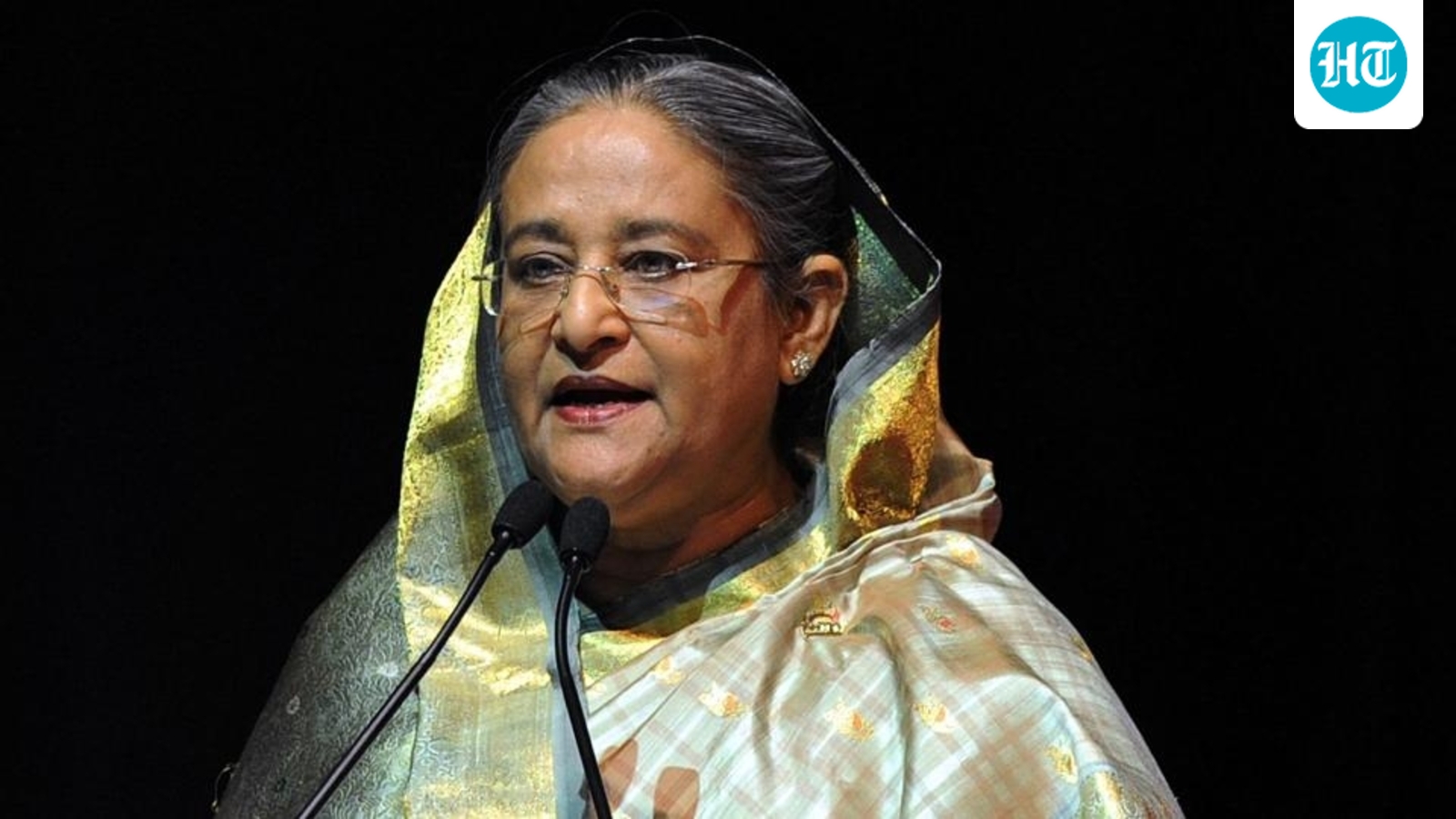
Bangladesh is on high alert after the sentencing of former Prime Minister Sheikh Hasina to death on charges of crimes against humanity. The verdict has been met with mixed reactions, with some viewing it as a chance for the country to move forward, while others see it as a politically motivated move.
Hasina, who has been in exile in India since August last year, has rejected the verdict, calling it "biased and politically motivated." Her son and the Awami League party have warned that they may try to block the upcoming election if the ban on their political activities is not lifted.
The interim government, led by Nobel Peace Prize laureate Muhammad Yunus, is under pressure to hold a credible election in February. Analysts warn that the election is likely to be tense, with a risk of violence involving the Awami League spoilers.
India is unlikely to extradite Hasina, and analysts believe she will continue to manage her party's affairs from India, playing a long game with the hope of a return to politics in the coming years. The Awami League needs to reform if it wants to move forward, and Hasina's leadership is crucial for the party's revival.
Human rights groups have raised questions about the fairness of the trial process, while the U.N. has welcomed the verdict as an important moment for victims of last year's crackdown. The Yunus-led administration will need to convince the international community about the credibility of the trial process.
The upcoming election is a high-stakes polls, with strong expectations that the vote will be free and fair. The international community will be watching closely to ensure that the election is peaceful and credible. Analysts believe that Yunus' biggest challenge is to ensure a safe and peaceful environment for the election, and that his legacy as a Nobel Peace Prize laureate depends on it.


