
Bangladesh's Former PM Sheikh Hasina Sentenced to Death: Can She Challenge the Verdict from Exile?
Former Bangladesh PM Sheikh Hasina has been found guilty on three counts: incitement, order to kill and inaction to prevent the atrocities.  | World News
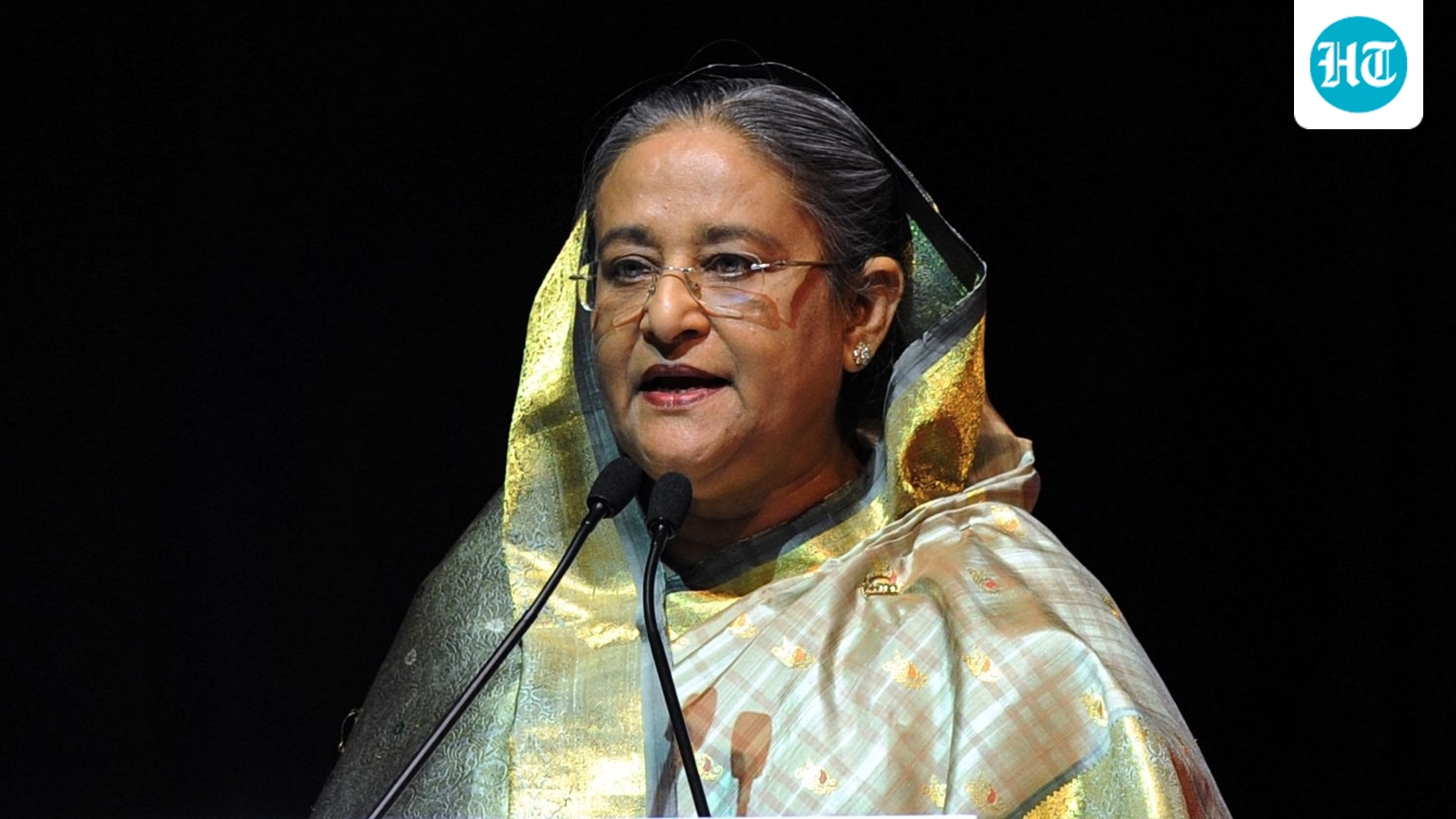
Bangladesh's International Crimes Tribunal has handed down a death sentence to former Prime Minister Sheikh Hasina, citing her role in a crackdown on student protesters in Dhaka last year. The 78-year-old leader maintains that the ruling is 'biased and politically motivated'.
Hasina fled to India after being ousted from power, sparking a student-led uprising. She has since criticized the interim government, accusing it of seizing power 'illegally and unconstitutionally'.
According to the ICT-BD law, convicted individuals have the right to appeal their sentence. However, as Hasina was sentenced in absentia and declared a 'fugitive', Bangladeshi lawyers argue that she cannot appeal while on the run.
Prosecutor Gazi Monawar Hossain Tamim noted that the law requires the convict to be either arrested or surrender to file an appeal. 'The appeal must be lodged within 30 days of the verdict, and the Appellate Division must dispose of the appeal within 60 days of its filing,' he said.
ICT chief prosecutor Tajul Islam emphasized that Hasina has no legal right to file an appeal as she is considered a fugitive. 'The accused can file an appeal with the Supreme Court within 30 days if they wish. But no fugitive can do so, because a fugitive has no legal rights. To appeal, they must come to Bangladesh, surrender, and go to jail.'
Hasina's defence lawyer, Md Amir Hossain, also stated that she could only appeal if she surrenders or is arrested. Meanwhile, Hasina's son and adviser, Sajeeb Wazed, indicated that they would not appeal unless a democratically elected government assumes office in Bangladesh with the Awami League's participation.
In response to the verdict, Hasina reiterated her denial of the accusations made against her in the ICT, stating 'I wholly deny the accusations that have been made against me in the ICT.'


