
Bangladesh War Crimes Trial Sparks Concerns Over Procedural Lapses and Bias
The International Crimes Tribunal (ICT) on Monday handed down the death sentence to 78-year-old Hasina for ordering the use of lethal force while cracking down on student-led protests last year | World News
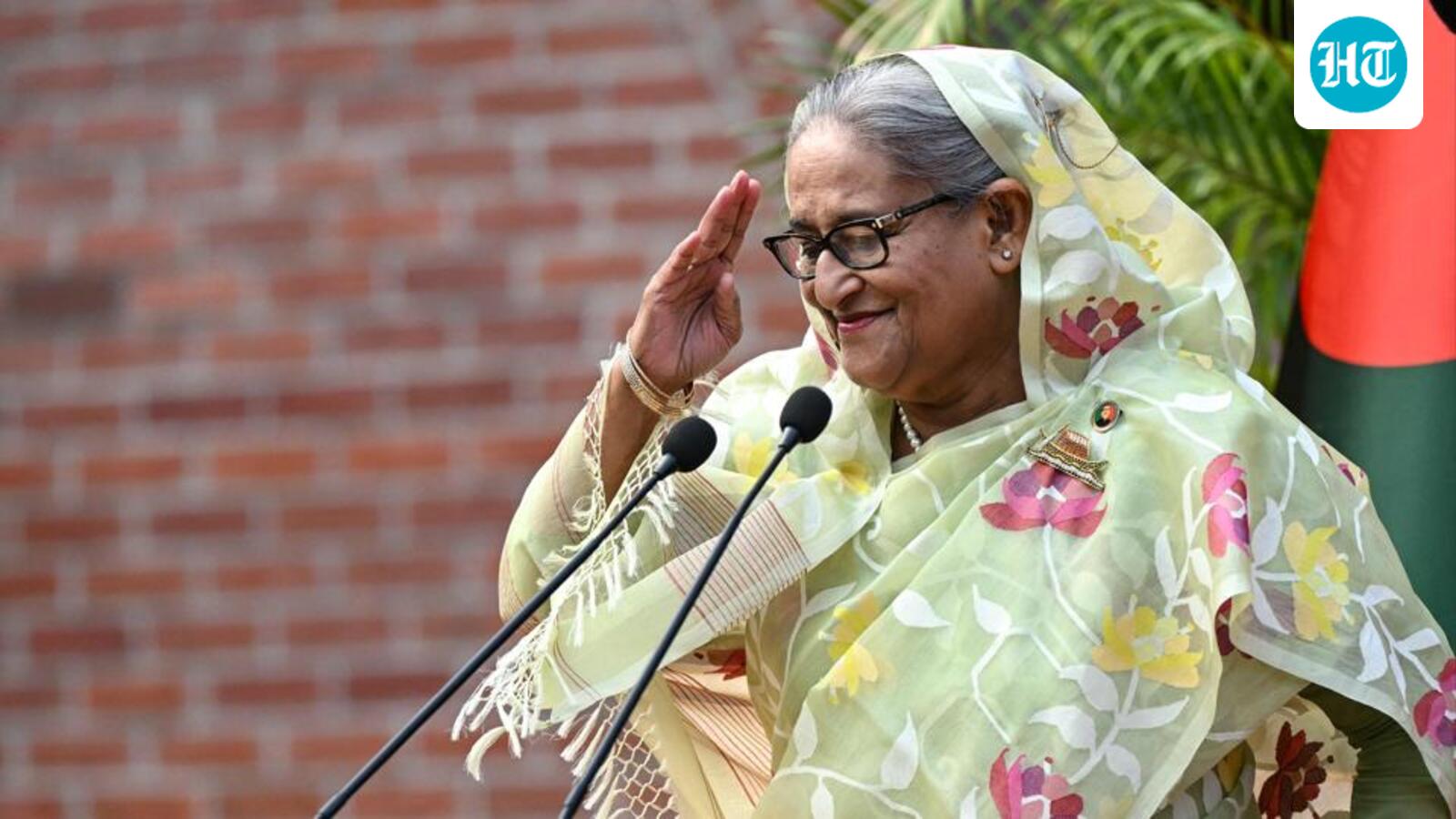
A string of procedural and legal irregularities has raised questions about the fairness of former Bangladesh Prime Minister Sheikh Hasina's trial and death sentence by the International Crimes Tribunal (ICT). The ICT, established under the 1973 International Crimes (Tribunals) Act, was initially intended to address war crimes committed during Bangladesh's 1971 independence war. However, recent amendments to the ICT's scope, made by the interim government in August 2024, have been deemed invalid due to a lack of parliamentary approval.
The appointment of three ICT judges has also been criticized for violating the Bangladesh Constitution. The judges, including the chairman, have no prior experience with international law, a critical aspect of war crimes trials. Additionally, the chief prosecutor, Mohammad Tajul Islam, has raised concerns about prosecutorial neutrality, as he previously represented war criminals in trials.
Former Prime Minister Hasina, who has been in self-exile in India since fleeing Dhaka last year, has maintained that she was denied the opportunity to choose her own lawyers. The state-appointed defence lawyer had limited experience with international criminal law and received voluminous evidence just five weeks before the trial began. The trial itself lasted only two months, sparking concerns about procedural fairness and the possibility of a predetermined outcome.
Following the ICT's verdict, Hasina has claimed that the guilty verdict was a 'foregone conclusion', stating that the tribunal was 'rigged' and aimed at nullifying her Awami League party. As the situation unfolds, concerns about the fairness of the trial and the validity of the verdict continue to grow.


