
BBC Apologises to Trump, Rejects Defamation Claim Amid Growing Crisis Over Bias Allegations
The BBC apologised for the Panorama documentary, which spliced together three parts of a Trump speech on January 6, 2021.
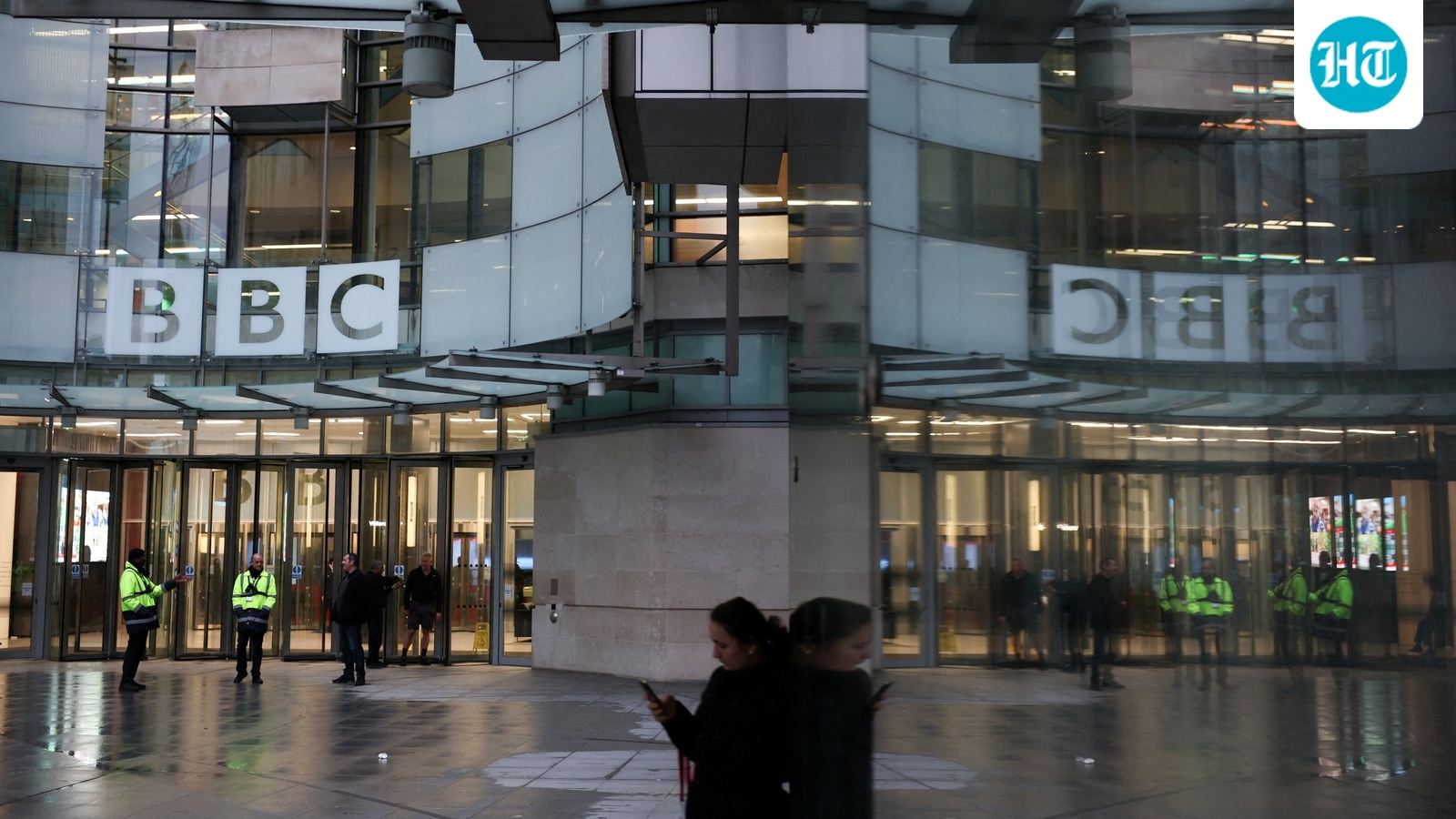
The BBC has issued a public apology to former US President Donald Trump over a misleading edit of his 2021 speech, but maintained that it does not owe him compensation for defamation. The move comes as the British broadcaster faces a growing crisis over allegations of bias in its reporting.
The controversy began with the publication of a dossier criticizing the BBC's coverage of transgender issues and anti-Israel bias in its Arabic service. The document also questioned the accuracy of a 2024 US presidential election documentary, "Panorama: Trump - A Second Chance?" which allegedly spliced together quotes from Trump's 2021 speech to make it appear as though he was urging his supporters to storm the US Capitol.
The BBC's director-general and head of news resigned over the issue, with Trump demanding a retraction, apology, and compensation. The broadcaster initially maintained that it did not report on leaked documents, but eventually apologized to Trump through a statement from its chair, Samir Shah.
However, the BBC refused to pay compensation, citing that Trump was not harmed by the alleged defamation as he was re-elected in 2024. Legal experts have questioned the merits of Trump's defamation claim, with some suggesting that the BBC may have a strong case in defending against it.
The BBC's future is uncertain, with the government set to review its governing charter in 2027. Culture Secretary Lisa Nandy has vowed to ensure the broadcaster's continued funding and trustworthiness, but has not ruled out the possibility of scaling back or scrapping the license fee.
The BBC's impartiality has long been a subject of debate, with some accusing the broadcaster of leaning too far to the left and others accusing it of leaning too far to the right. The latest crisis has raised questions about the BBC's ability to balance its coverage of sensitive issues and maintain public trust.


