
China Imposes Condom Tax Amid Bid to Boost Birth Rates
Beijing has rolled out a series of pro-natalist policies, from offering cash handouts to improving childcare services, extending paternity and maternity leave. | World News
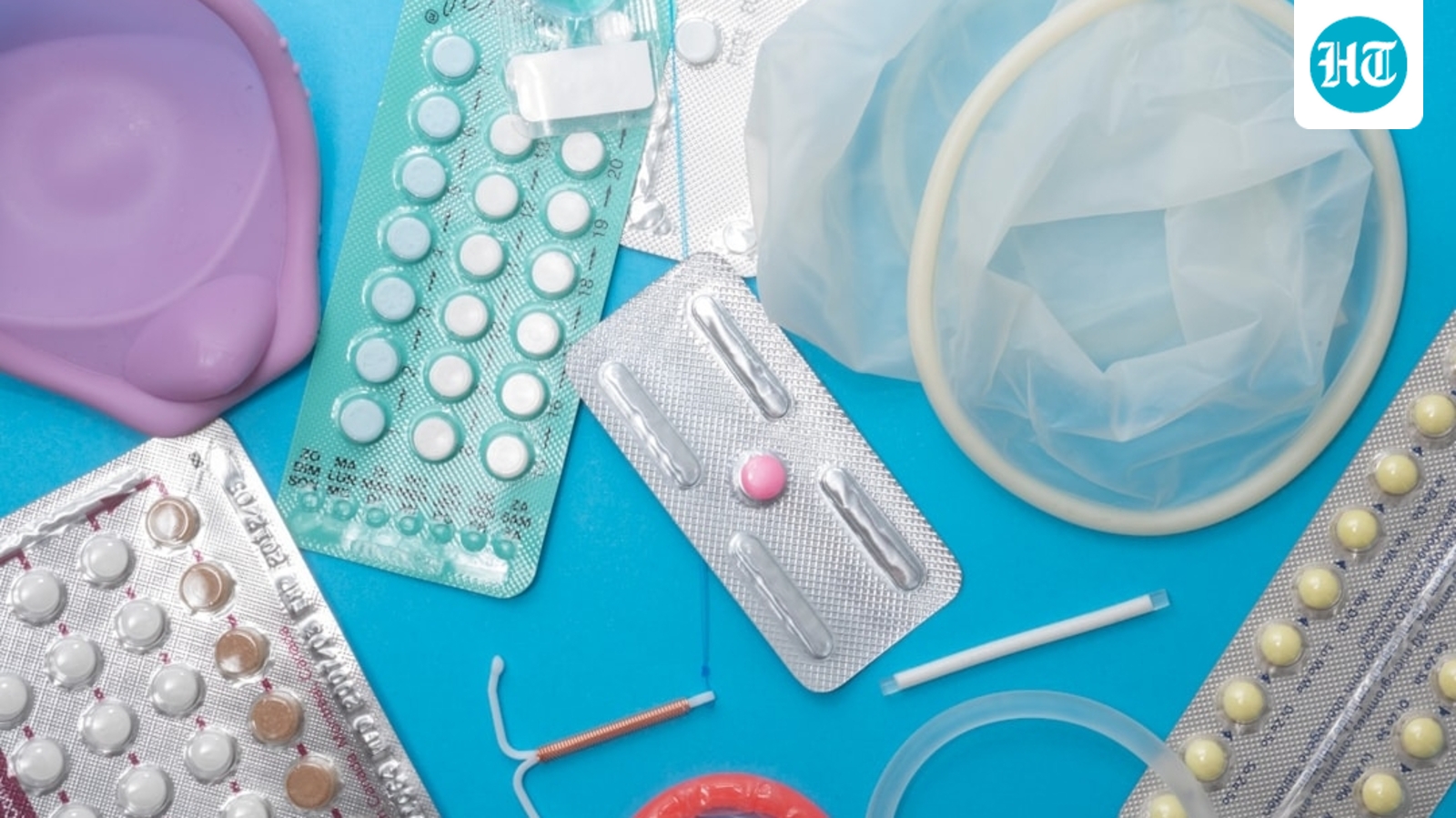
In a move to reverse China's plummeting birth rates, the country will start taxing condoms and other contraceptive drugs for the first time in three decades. The 13% value-added tax (VAT) on previously exempt items aims to encourage people to have more children, as the rapidly aging population faces a shrinking workforce and slowing economy. However, critics argue that the tax is largely symbolic and may not have a significant impact on the birth rate.
The new policy reflects a broader shift in China's approach to family planning, from limiting births to promoting pro-natalist policies. The government has introduced a range of measures, including cash handouts, improved childcare services, and extended parental leave, in an effort to boost birth rates. Despite these efforts, the number of births has shrunk for three consecutive years, with just 9.54 million births in 2024, barely half of the 18.8 million registered nearly a decade ago.
Raising a child in China is also becoming increasingly expensive, with estimates suggesting it costs over 538,000 yuan ($76,000) to bring up a child through age 18. This has led to concerns that the tax may have unintended consequences, particularly in regards to the spread of HIV, which has been increasing in China due to limited sex education and stigma.
The introduction of the VAT has sparked debate on Chinese social media, with some users questioning the effectiveness of the policy and its potential impact on public health. While the government aims to create a social environment that encourages childbirth and reduces abortions, critics argue that higher prices may not be the most effective approach to achieving this goal.


