
China Schools Introduce Autumn Breaks to Revitalize Local Economies
By freeing up time away from classes, authorities are pulling on a new lever in their quest to get households to spend more | World News
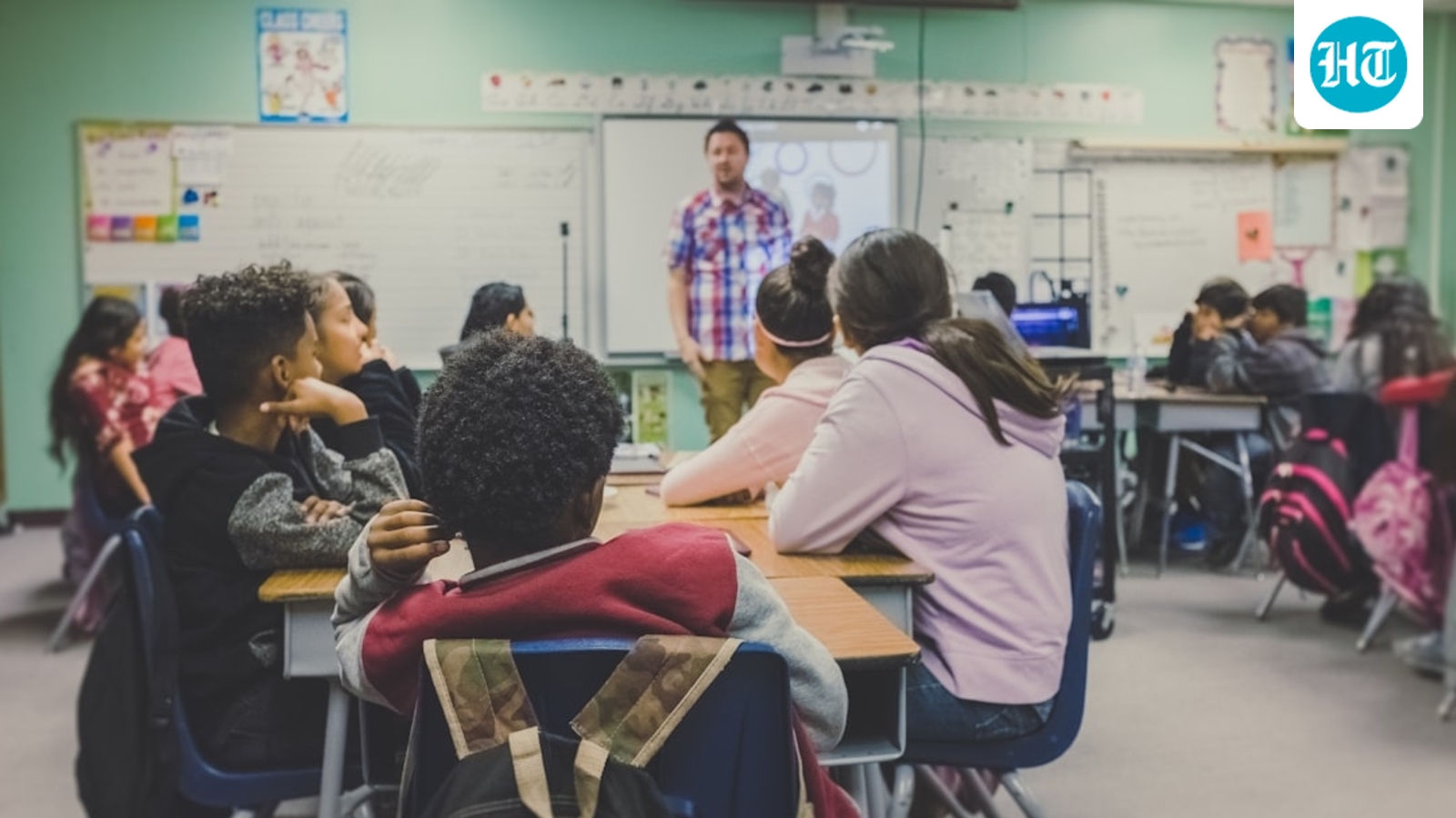
In a bid to boost household spending and stimulate local economies, at least 27 Chinese cities have adopted autumn breaks for schools, joining the handful of cities that previously allowed such breaks. The move is aimed at encouraging families to take advantage of free time to travel, splurge on leisure activities, or send their children on school-organized trips.
The southern city of Foshan, which introduced a three-day autumn break in November, has already seen a surge in bookings for travel and leisure activities. According to Guangzhou Comfort International Travel Co., the number of travelers from Foshan increased by over 50% during the autumn break, with the majority being families.
The policy, which is part of Beijing's efforts to promote consumption, has shown early dividends. Hotel bookings in Zhejiang province increased by 68% during the autumn break, while flight reservations rose by 22%. However, not all parents are supportive of the move, citing concerns about exhausting their paid leave options and limited entertainment options for their children.
Local governments are benefiting from the policy as it spares them the cost of implementing initiatives from Beijing. "This is a way for local governments to promote consumption without having to directly provide funding," said Larry Hu, head of China economics at Macquarie Group Ltd.
The focus on promoting services-related expenditure, such as tourism and entertainment, is a key component of China's efforts to boost household spending. Retail sales of services have increased by 5.3% in the first 10 months of the year, while growth in goods sales has slowed for five straight months.
Critics argue that the policy is a piecemeal approach, leaving families to fend for themselves. Some parents have expressed concerns about the sudden announcement of the policy, making it difficult for them to change plans. Others have complained about the limited options for childcare services, with many families unable to take time off to accompany their children.
The impact of the policy on consumption is expected to be modest, according to Louis Kuijs, chief Asia-Pacific economist at S&P Global Ratings. However, as an experiment in powering a consumer society, it is emblematic of a search for new solutions to stimulate local economies and boost household spending.


