
COP Climate Conferences' Carbon Footprint: 10 Times Larger Than Average Webpage, Study Reveals
Findings indicate that between 1995, the year of the first COP, and 2024, average emissions from COP websites have increased by more than 13,000 per cent. | World News
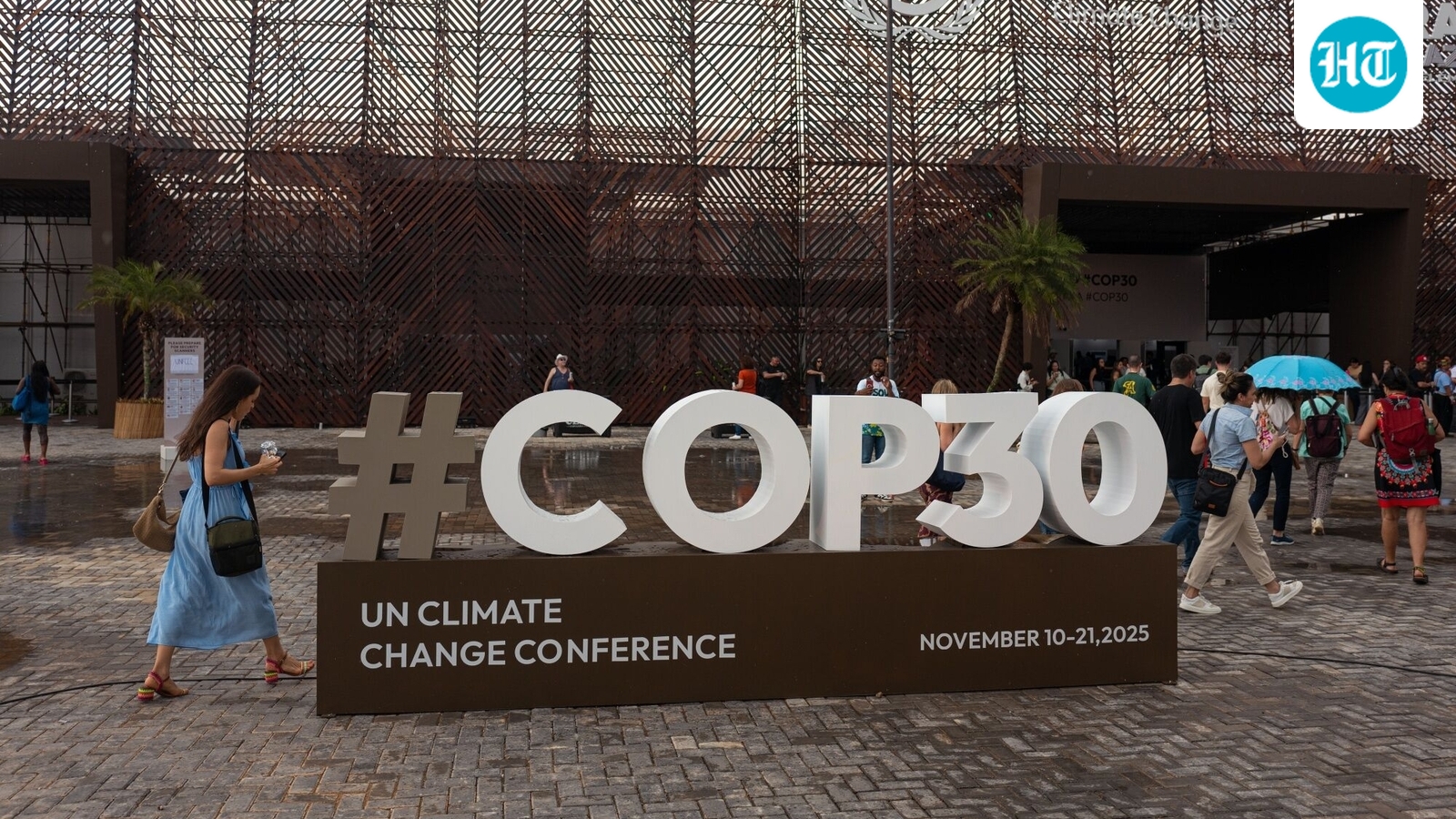
A recent analysis of web archives has found that websites created for the United Nations Conference of the Parties (COP) emit significantly more carbon than the average internet page. According to researchers from the University of Edinburgh, the carbon footprint of COP websites has increased by over 13,000 percent since 1995, the year the first COP took place.
The study, published in PLOS Climate, analyzed data from web archives, including the Internet Archive, to assess the carbon footprint of COP websites over 30 years. The findings suggest that the digital presence of COP conferences has a substantial environmental impact, often overlooked by those who care about and are meant to protect the environment.
Between 1997, the first year with available data, and 2024, the carbon emissions from COP websites have increased dramatically. For example, website views during COP3 emitted the equivalent of 0.14 kilograms of carbon, whereas visits to the COP29 homepage alone emitted 116.85 kilograms of carbon, equivalent to the emissions of 10 mature trees over a year.
The researchers found that emissions remained relatively low until COP14 in 2008, with a site emitting the equivalent of 0.02 grams of carbon per page view. However, from COP15 onwards, emissions have risen sharply, with some pages emitting substantially more than the average website, which emits the equivalent of 0.36 grams of carbon per page view.
The study's authors suggest that the increase in emissions is partly due to the growth in computing power and internet use. However, they emphasize that the carbon footprint of COP sites is still significantly higher than the average webpage. To reduce the digital footprint of websites, the researchers recommend placing strict limits on page sizes, optimizing site layouts, and hosting websites on servers powered by renewable energy.
The study's approach of using a bespoke computer code, made freely available, could be used to assess the historical environmental impact of other internet pages. As the world continues to grapple with climate change, this study highlights the need for greater scrutiny of the digital footprint of websites and institutions.


