
COP30 Falls Short: Brazil Launches Independent Climate Roadmaps Amid Global Agreement
World governments reached a climate deal at COP30, balancing rich and developing nations' demands, yet lacking strong fossil fuel commitments and adaptation finance. | World News
The United Nations Climate Change Conference (COP30) concluded with a compromise deal, but experts say it falls short of addressing the pressing issue of climate change. The agreement, which was reached after nearly a week of talks, establishes work programs and calls for increased climate finance, but omits any mention of fossil fuels in the formal text.
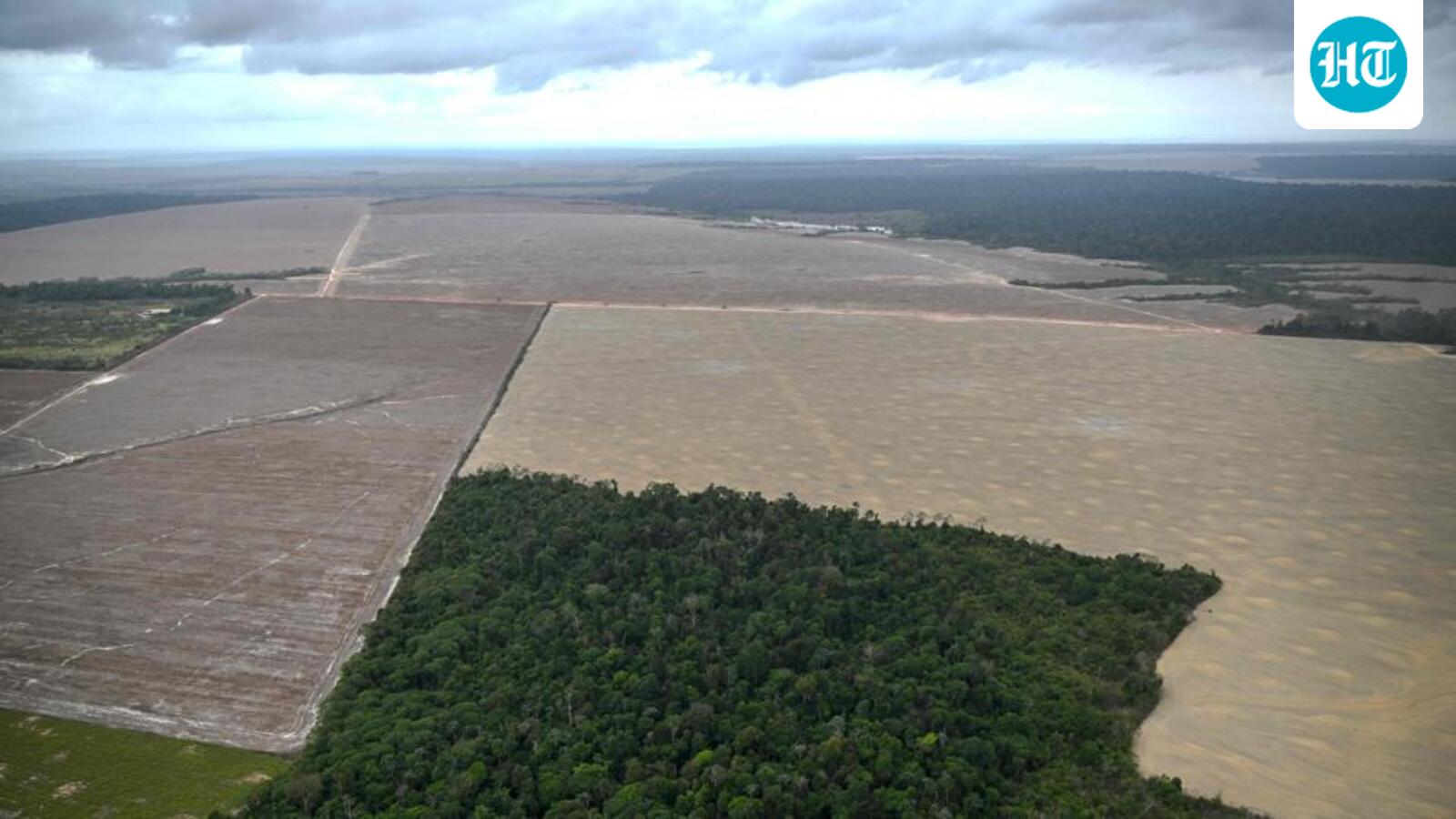
A key highlight of the deal is the launch of two independent roadmaps by Brazil, aimed at halting and reversing deforestation and transitioning away from fossil fuels. The move underscores the gap between what the Brazilian presidency hoped to achieve and what nearly 200 nations could agree upon.
The agreement, titled "The Global Mutirão: Uniting humanity in a global mobilisation against climate change," delivers wins for India on three fronts: a two-year work program on climate finance obligations, softened language on unilateral trade measures, and initiatives to keep the 1.5°C warming goal alive. However, it significantly dilutes earlier commitments on adaptation finance.
The deal also acknowledges that the carbon budget for limiting warming to 1.5°C is small and being rapidly depleted, with rich countries' historical emissions accounting for at least four-fifths of it. It recognizes that limiting warming to 1.5°C requires emissions cuts of 43% by 2030 and 60% by 2035 relative to 2019 levels, reaching net zero by 2050.
Experts have mixed reactions to the deal. While some praise it as a step in the right direction, others criticize it for being too vague on key issues such as adaptation finance and fossil fuel phase-out. The deal has been met with disappointment from some countries, including Colombia, which objects to the language on Global Goal on Adaptation and the Mitigation Work Programme.
As the world grapples with the challenges of climate change, the COP30 deal serves as a reminder of the need for urgent action and increased cooperation among nations. While the agreement falls short of expectations, it provides a foundation for future negotiations and a renewed commitment to addressing the pressing issue of climate change.


