
Costco Joins Retailers in Lawsuit Against Trump Admin Over Emergency Tariffs, Seeking $Billion in Refunds
Major retailers and importers like Costco, Revlon and Kawasaki Motors have filed lawsuits seeking refunds.
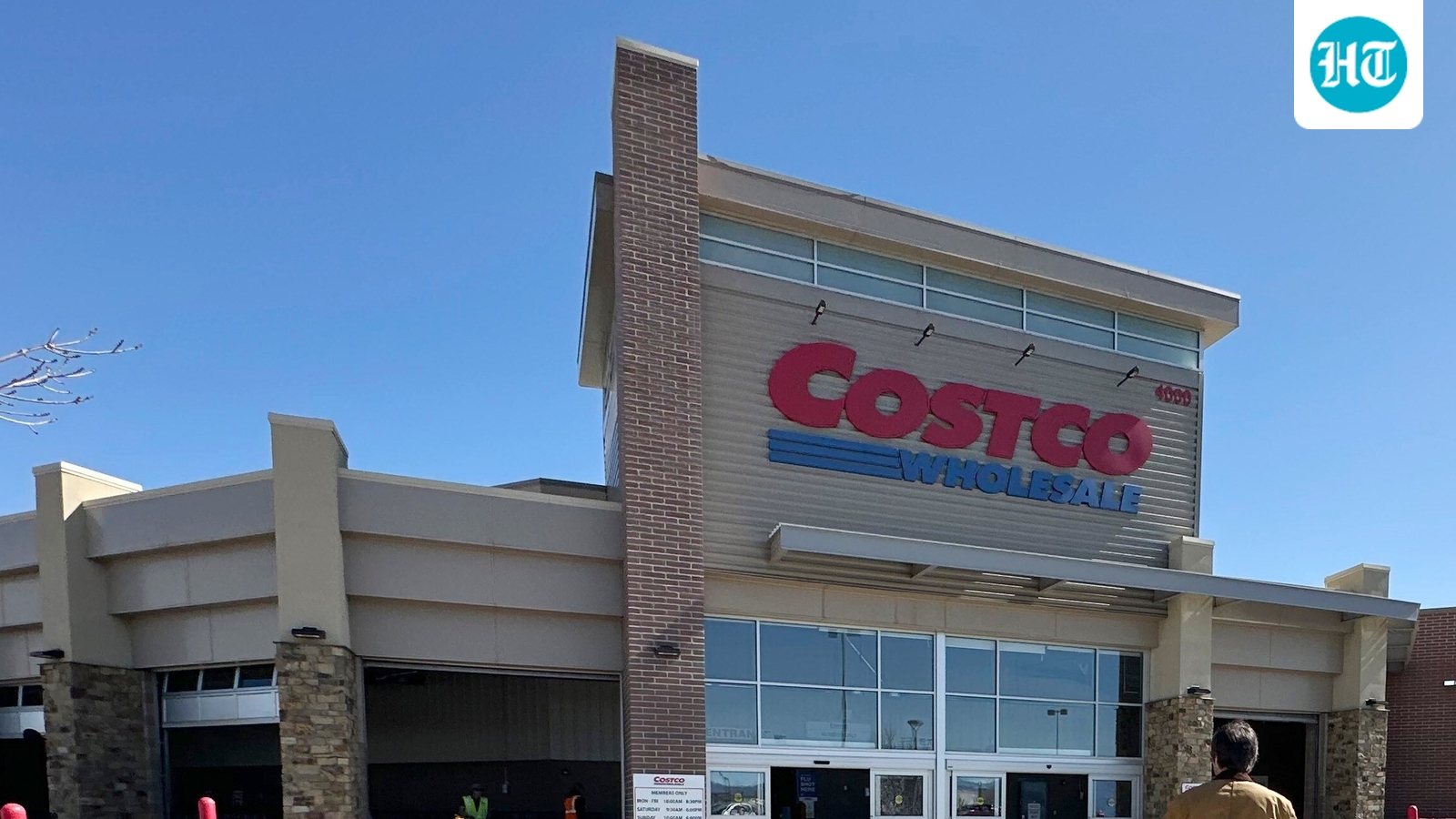
In a major development, Costco Wholesale Corp. has become the largest retailer yet to take legal action against the Trump administration's sweeping tariff orders. The company has filed a lawsuit in the U.S. Court of International Trade, seeking a full refund of duties it paid under the International Emergency Economic Powers Act (IEEPA).
The lawsuit, filed on November 28, 2025, argues that the company's request for more time to finalize tariff calculations was denied by customs authorities, leaving it vulnerable to the tariffs. Costco also stressed that IEEPA does not explicitly grant the President the power to impose tariffs.
Costco's entry into the lawsuit marks a significant win for small businesses and state-led groups that have challenged the tariffs earlier. The company is joined by other prominent retailers, including Revlon, Bumble Bee Foods, Kawasaki Motors, EssilorLuxottica (the parent company of Ray-Ban), and Yokohama Tire.
According to customs data, tariff collections surged to record levels in fiscal 2025, with billions of dollars in potential refunds at stake. Retailers have been hit hard by the sudden surge in import duties, with many forced to disrupt their supply chains, hike prices, and sacrifice their low-price retail model.
The core legal question revolves around IEEPA, a 1977 law that grants presidential authority to restrict trade only under 'unusual and extraordinary threats.' However, the law does not mention tariffs explicitly. In November, Supreme Court justices appeared skeptical of the administration's justification, raising concerns about the scope of presidential authority.
Even though lower courts have already ruled the tariffs illegal, customs continued collecting duties pending appeal. The lawsuit aims to preserve the right to claim refunds before the 'liquidation' process, which is scheduled to wrap up mid-December. If the tariffs are struck down, importers could reclaim billions in duties, leading to a substantial drop in prices of imported goods and relieving financial stress on businesses operating on thin margins.


