
Dark Isolation and Desperation: How Afghan Man's Struggles Escalated into White House Attack
Rahmanullah Lakanwal's behavior deteriorated such that a community advocate reached out to a refugee organization for help, fearing he was becoming suicidal | World News
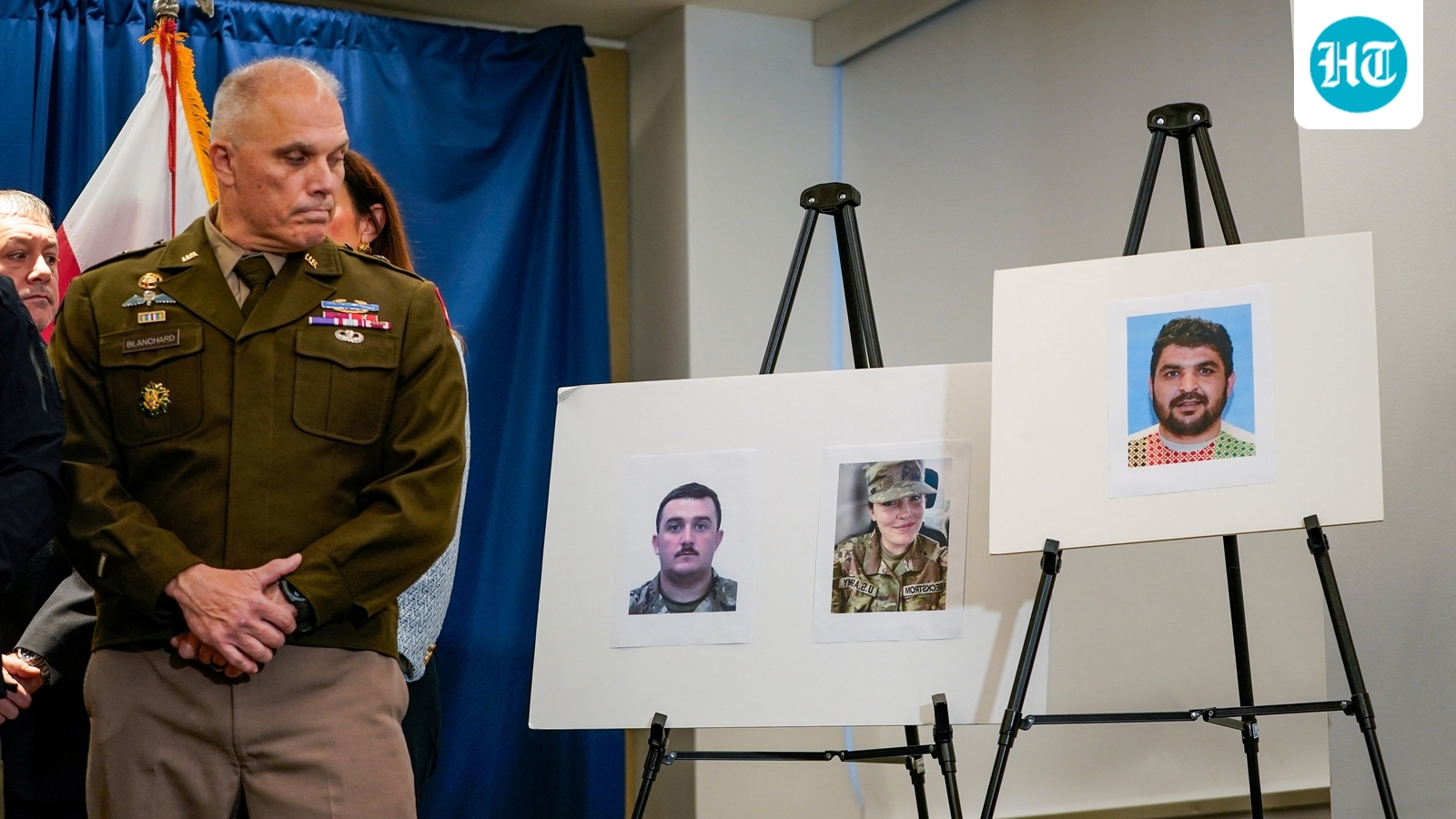
A shocking investigation has revealed the complex struggles of Rahmanullah Lakanwal, the Afghan man accused of shooting two National Guard members near the White House. Emails obtained by The Associated Press show that Lakanwal's mental health had been deteriorating for years, marked by periods of 'dark isolation' and reckless behavior.
According to a community advocate who works with Afghan families in Washington state, Lakanwal's behavior became increasingly erratic, with reports of him spending weeks in isolation, not speaking to anyone, including his wife or children. His family faced eviction due to unpaid rent, and his children were often left unattended, with the school raising concerns about their well-being.
Despite these warning signs, Lakanwal's family members did not see any indication that he would commit violence against another person. However, investigators now believe that he was radicalized during his time in the United States, with Homeland Security Secretary Kristi Noem stating that officials 'believe he was radicalized since he's been here in this country.'
Lakanwal, 29, entered the United States in 2021 through Operation Allies Welcome, a program that evacuated and resettled tens of thousands of Afghans after the American withdrawal. He resettled with his wife and five sons in Bellingham, Washington, but struggled to adapt to his new life, quitting his job and alternating between periods of isolation and reckless travel.
As investigators work to determine a motive for the attack, which killed 20-year-old National Guard Specialist Sarah Beckstrom and critically wounded 24-year-old Staff Sgt. Andrew Wolfe, the community is left to grapple with the complex factors that led to Lakanwal's descent into violence.
The US Committee for Refugees and Immigrants (USCRI) visited Lakanwal and his family in March 2024, but it is unclear whether they were able to provide any assistance. A request for comment from USCRI was not immediately returned.
The case has raised questions about the support systems in place for refugees and the challenges they face in adapting to life in the United States. As the investigation continues, it is clear that Lakanwal's struggles were a complex and multifaceted issue that highlights the need for more robust support services for refugees and asylum seekers.


