
Japan's Royal Family Faces Crisis as Princess Aiko's Popularity Fuels Calls for Change
As she turns 24, her supporters want to change Japan's male-only succession law, which prohibits Aiko, the emperor's only child, from becoming monarch. | World News
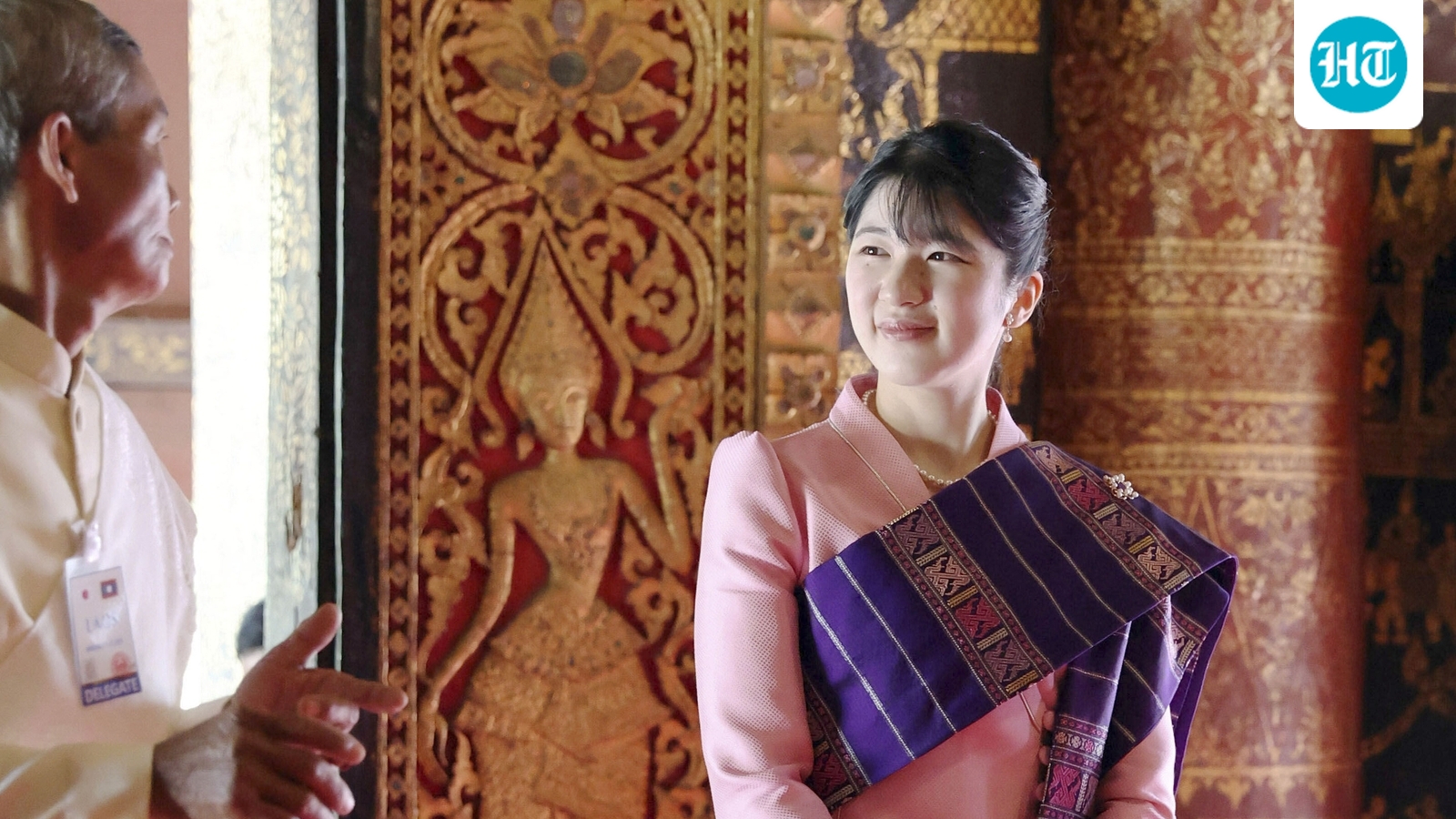
Japan's beloved Princess Aiko is on the cusp of a milestone birthday, but her 24th year is also marked by growing pressure to reform the country's male-only succession law. The law prohibits Aiko, the emperor's only child, from becoming monarch.
As Princess Aiko's popularity reaches new heights, her supporters are pushing for a change in the 1947 Imperial House Law, which has been criticized for being outdated and discriminatory. The law, which only allows male-line succession, has led to a dwindling Imperial Family, with only 16 members remaining, down from 30 three decades ago.
The urgency of the situation is evident, with experts warning that Japan's monarchy is on the brink of extinction. The emperor's teenage nephew, Prince Hisahito, is the only eligible heir from the younger generation, but his potential to produce a male heir is uncertain.
Aiko's supporters, including cartoonist Yoshinori Kobayashi, who has written comic books pushing for a legal change, and social media activist Ikuko Yamazaki, are using various platforms to raise awareness and pressure lawmakers to reform the law. They argue that allowing Aiko to become monarch would not only be a step towards greater equality but also help to improve women's status in Japan.
The princess's popularity has been growing steadily since she debuted as an adult royal in 2021, impressing the public with her intelligence, friendliness, and sense of humor. Her first solo official overseas trip to Laos in November further boosted her support, with many cheering her on as a potential future monarch.
However, not everyone is in favor of changing the law. Conservative lawmakers, including Prime Minister Sanae Takaichi, oppose the reform, citing the need to maintain tradition and avoid controversy.
The debate highlights the complexities of Japan's monarchy and its struggles to adapt to changing societal values. As Princess Aiko turns 24, her future remains uncertain, but one thing is clear: the country's male-only succession law is no longer tenable in the face of a rapidly aging and shrinking population.
The Imperial Family's future is precarious, with only two potential younger male heirs, Prince Akishino and Prince Hisahito, and a rapidly dwindling population of eligible successors. The situation is critical, with experts warning that the monarchy's future depends on the ability of Prince Hisahito and his potential wife to produce a male heir.
As Japan's royal family faces this crisis, Princess Aiko's supporters remain committed to pushing for change. Their efforts are a reflection of the country's broader struggle to balance tradition and modernity, and the need for greater equality and inclusivity in its institutions.


