
Kevin Hassett Emerges as Top Contender to Succeed Jerome Powell as Fed Chair
Kevin Hasset is seen as the leading contender to become the next chair of the Federal Reserve according to a recent Bloomberg report.
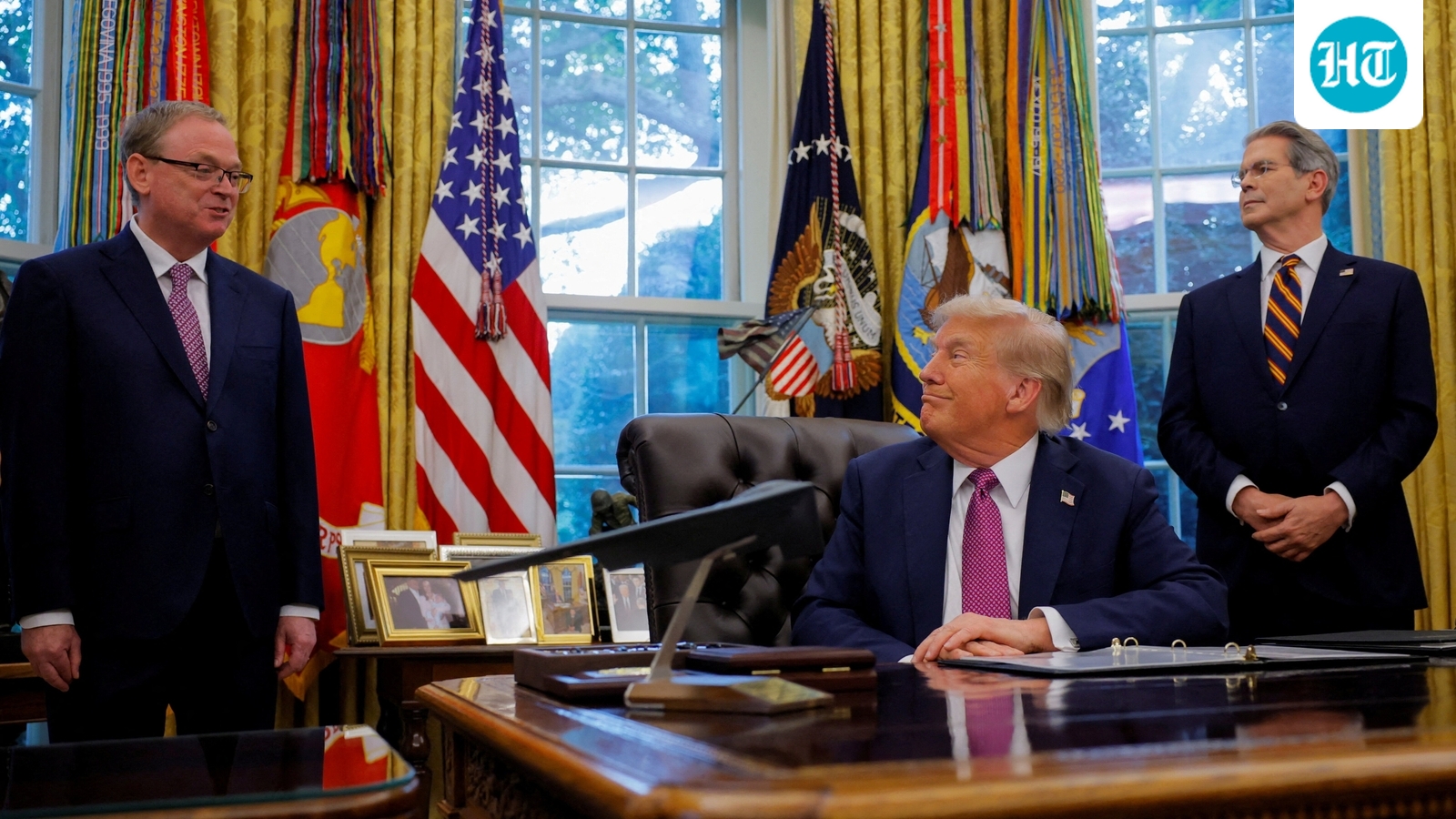
Kevin Hassett, the current director of the National Economic Council, has emerged as the leading contender to succeed Jerome Powell as the head of the Federal Reserve. According to a recent report by Bloomberg, Hassett's name is gaining momentum as Trump's top choice to lead the central bank.
Hassett, an economist with a PhD from the University of Pennsylvania, has a background in teaching at institutions like the American Enterprise Institute. He previously served as chair of the Council of Economic Advisers from 2017 to 2019 and returned to the NEC in 2025. Hassett is known for his support of pro-growth tax cuts and looser regulatory policies.
As a strong advocate for a more accommodating monetary policy, Hassett has been critical of Powell's rate-hiking path. He has also emphasized the importance of supporting growth and aligning with Trump's economic agenda. Hassett's views on monetary policy have sparked concerns among economists, who worry that his close relationship with Trump and support for rate cuts could compromise the Fed's ability to make tough decisions.
A CNBC survey found that while Hassett is likely to be Trump's pick, many economists are concerned about the potential risks of his appointment. They worry that Hassett's politics-driven approach to monetary policy could lead to higher inflation and unemployment.
Hassett is among three finalists to succeed Powell, alongside former Fed governor Kevin Warsh and sitting governor Christopher Waller. While Warsh is seen as more hawkish on inflation, Waller has trended toward employment-focused policy. Hassett's growth-oriented approach, however, aligns with Trump's stated goals.
The appointment of Hassett as Fed Chair would be a significant move, and his close relationship with Trump has raised concerns about the potential for political interference in the Fed's decision-making process. As the Fed prepares to make key decisions on monetary policy, the outcome of this selection process will have far-reaching implications for the US economy.


