
Miranda Rights Dispute Heats Up Mangione Trial: Did Police Wait Too Long?
New evidence from a McDonald's 911 call and surveillance video fuels a heated legal battle over whether Mangione was properly read his Miranda rights.
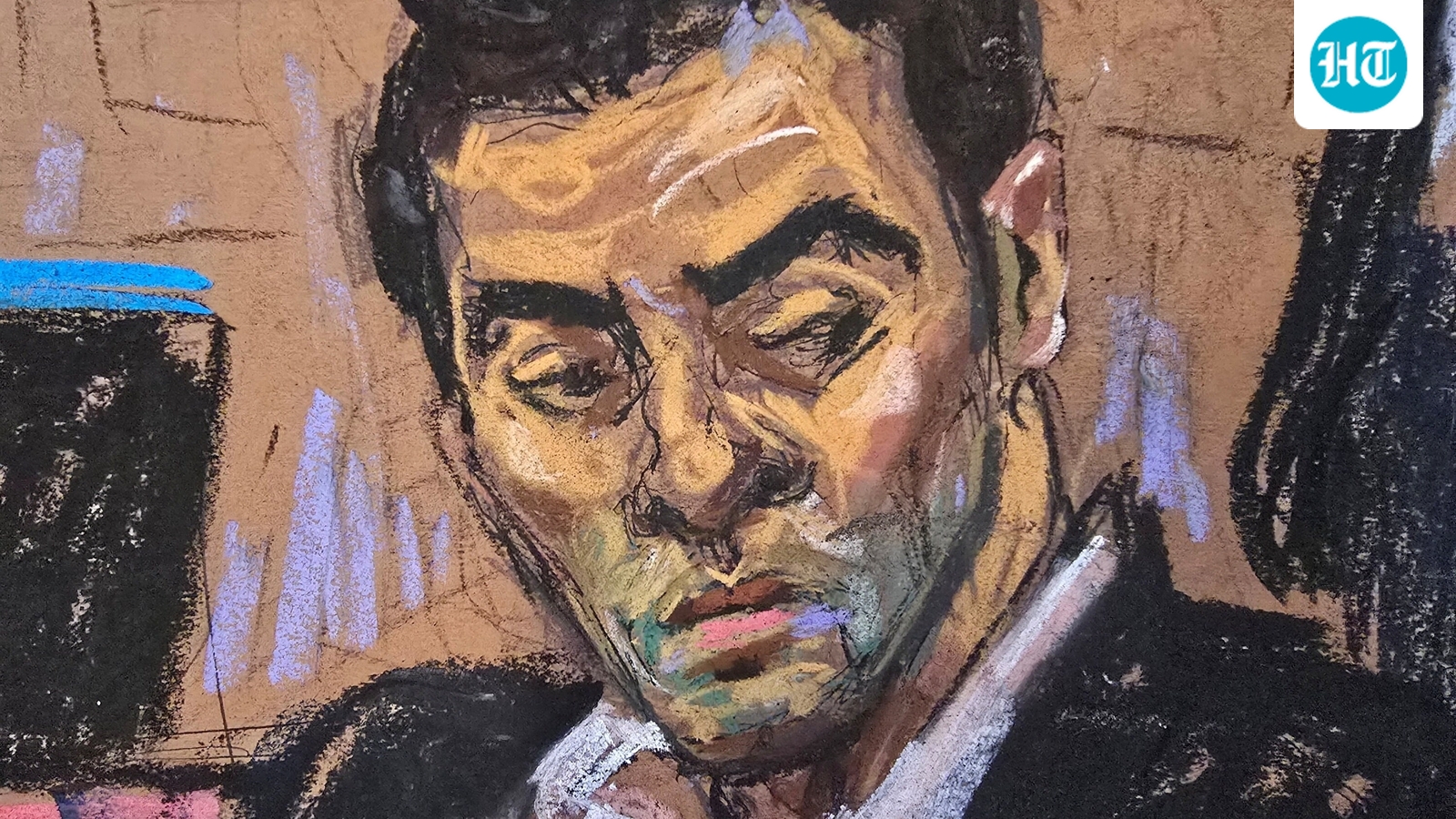
A high-stakes evidentiary hearing in the Luigi Mangione trial has raised questions about whether police delayed reading the accused his Miranda Rights before questioning him at a McDonald's. Mangione is charged with fatally shooting Brian Thompson, the former CEO of UnitedHealthcare.
Mangione's lawyers argue that police waited nearly 20 minutes before reading him his rights, long after the interrogation had begun. This delay, they claim, violates his constitutional protections under the Fifth and Sixth Amendments. If the court agrees, it could weaken the prosecution's case by excluding key confessions and the search that led to the discovery of the alleged murder weapon.
The dispute centers around the 911 call that led to Mangione's arrest and the body camera footage of the encounter. The McDonald's manager who called 911 described the suspect as a masked man with distinctive eyebrows, which matches the description of the CEO's killer. However, the defence argues that the police formed an 'armed human wall' to trap Mangione before questioning him, potentially rendering his statements and the evidence found in his backpack inadmissible.
Prosecutors, however, maintain that the arrest, search, and evidence collection were lawful. They argue that the delay in reading Miranda Rights was minimal and did not make the interrogation coercive. They also claim that the evidence found in Mangione's backpack directly links him to the crime.
Judge Gregory Carro is expected to rule on the admissibility of the disputed evidence in the coming days. If the defence succeeds in suppressing the evidence, it could significantly weaken the prosecution's case. However, experts say that even if the motion is successful, it does not mean Mangione will be released from prison. Substantial evidence remains, including his travel and other factors that could still be used against him.
Miranda Rights are a crucial safeguard under U.S. law, protecting individuals from self-incrimination and ensuring fair access to legal counsel. If authorities fail to read these rights before questioning, any statements made during that period may be excluded from trial under the 'exclusionary rule'.


