
Pakistan Supreme Court Crisis: 2 Judges Resign Amid Constitutional Row
Pakistan's government has waged a sweeping crackdown on dissent and its main opposition, which has included jailing former prime minister Imran Khan | World News
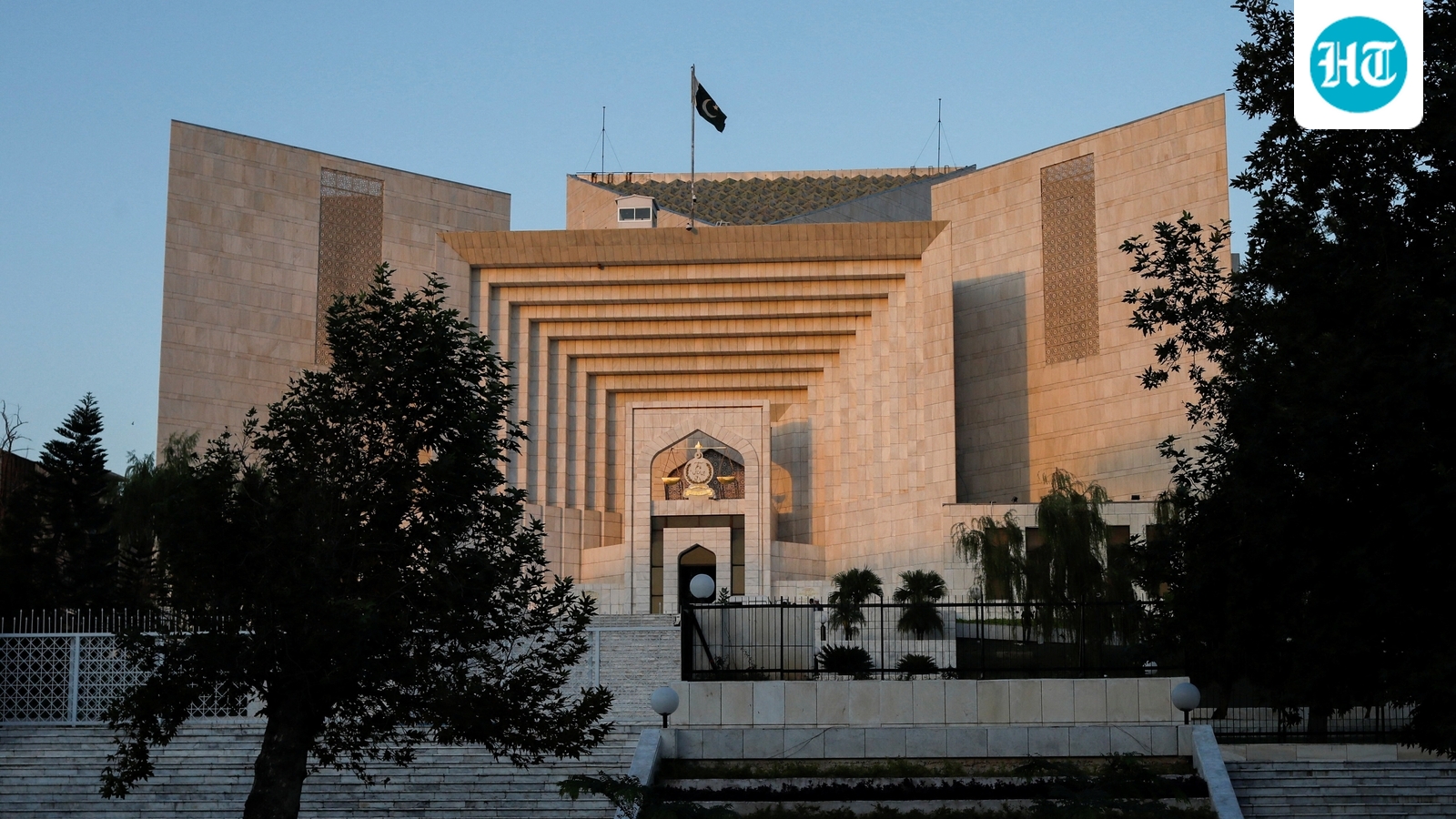
In a shocking move, Pakistan's Supreme Court has summoned all judges for an emergency meeting following a constitutional amendment that has sparked a heated debate. The amendment, passed by parliament this week, has curtailed the court's jurisdiction, prompting two senior judges to resign in protest.
The amendment, which has been criticized by the opposition as a threat to democracy, has also expanded the powers of the country's army chief, General Asim Munir. Under the new law, the Supreme Court will no longer hear constitutional cases, and the Federal Constitutional Court, a new body established by the amendment, will take over this role.
The opposition has accused the government of using the amendment to consolidate power and undermine the independence of the judiciary. Rights groups have also expressed concern that the move is part of a broader crackdown on dissent and opposition.
The two judges who resigned, Syed Mansoor Ali Shah and Athar Minallah, have spoken out against the amendment, describing it as a 'grave assault on the constitution' and a 'cruel blow' to judicial independence.
The government, however, has defended the amendment, saying it will improve governance and reward the army chief for his role in the conflict with India in May. The military has denied any interference in politics.
The development has sparked widespread concern, with many seeing it as a threat to democracy and the rule of law in Pakistan. The opposition has vowed to continue its resistance against the amendment, and protests are expected to continue across the country.
As the situation unfolds, the future of the Supreme Court and the country's democratic institutions hangs in the balance. The international community is watching closely, with many expressing concern about the implications of this move for human rights and the rule of law in Pakistan.


