
Rapid Rise in HIV Cases in Pakistan Sparks WHO Warning: 200% Spike in 15 Years Threatens Community
This information was shared with participants of a walk organised by the World Health Organisation (WHO) and UNAIDS in observance of World AIDS Day. | World News
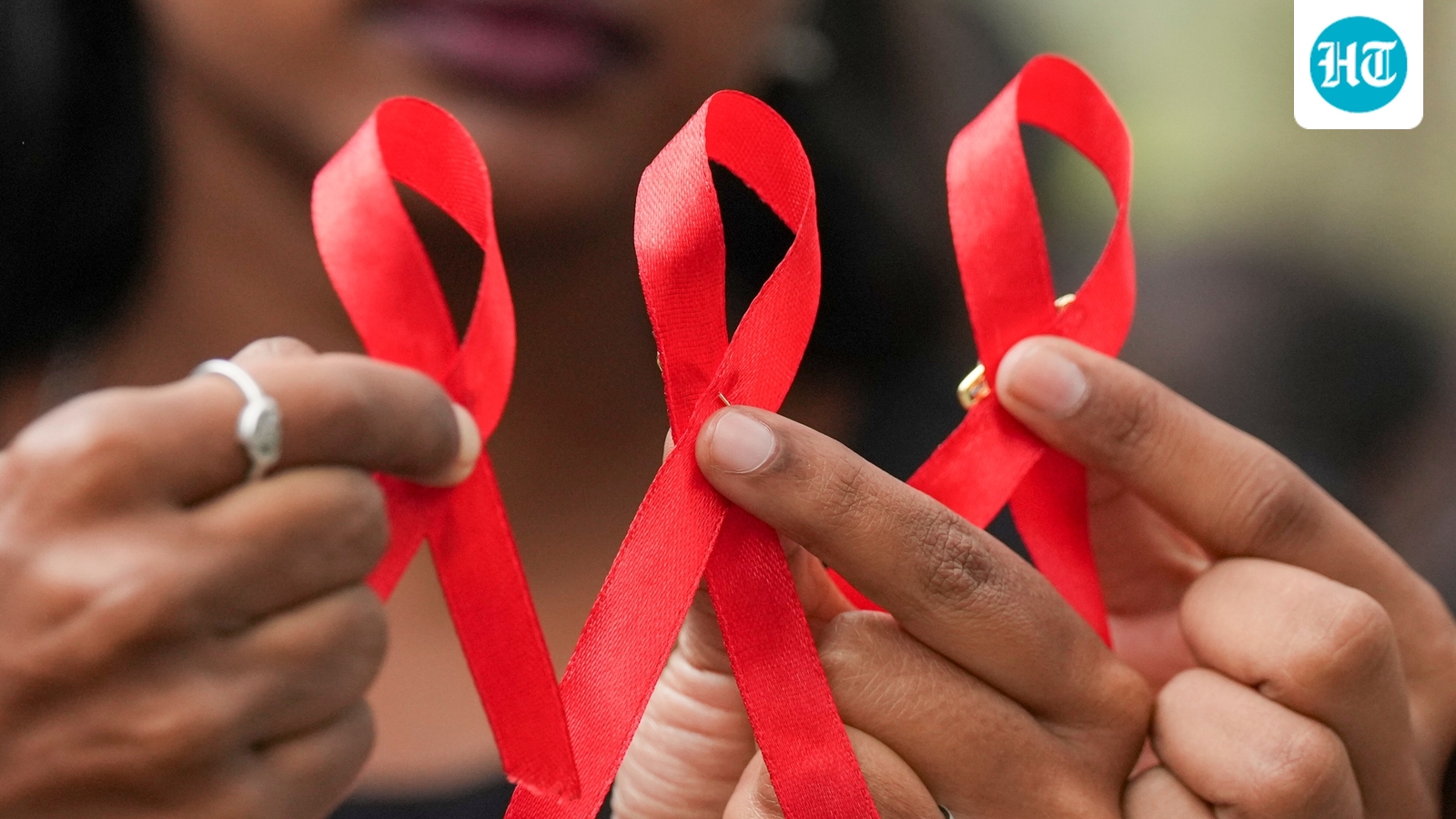
Pakistan is facing a rapidly growing HIV epidemic, with a staggering 200% increase in new cases over the past 15 years. According to the World Health Organization (WHO), the number of infections has risen from 16,000 in 2010 to 48,000 in 2024, making it one of the fastest-growing epidemics in the Eastern Mediterranean Region.
The situation is alarming, as HIV is no longer limited to high-risk populations. Children, spouses, and the broader community are increasingly affected due to various factors, including unsafe blood management and injection practices, inadequate infection control, and unprotected sexual activities.
To commemorate World AIDS Day, the WHO and UNAIDS partnered with Pakistan's Ministry of Health to raise awareness and mobilize efforts to combat the epidemic. Ayesha Isani, Director General of the Health Ministry, emphasized the need for collective action to eliminate unsafe practices and provide education to the community.
The statistics are grim: an estimated 350,000 individuals are living with HIV in Pakistan, but nearly 80% are unaware of their status. Children are disproportionately affected, with new cases among those aged 0-14 rising from 530 in 2010 to 1,800 in 2023.
Despite progress in increasing access to antiretroviral therapy (ART), only 21% of people living with HIV know their status, and only 7% have achieved viral load suppression. The number of AIDS-related fatalities in 2024 was over 1,100.
The WHO has pledged to support Pakistan and its partners in safeguarding current and future generations from HIV, ensuring that no one is left behind. The organization has identified the need to enhance collaborative efforts and mobilize resources to eradicate AIDS as a public health threat.
In recent outbreaks, children have been exposed to HIV due to unsafe injections and blood transfusions, highlighting the urgent need for action. The WHO has called for collective efforts to prevent mother-to-child transmission of HIV and provide treatment to children living with the virus.


