
Tehran's Lost Vibrancy: The Struggle for Truth Behind Iran's Closed Doors
 In Iran, the regime’s restrictions serve its exiled opposition. Opponents’ satellite channels set the news agenda in Iran as well as abroad. | World News
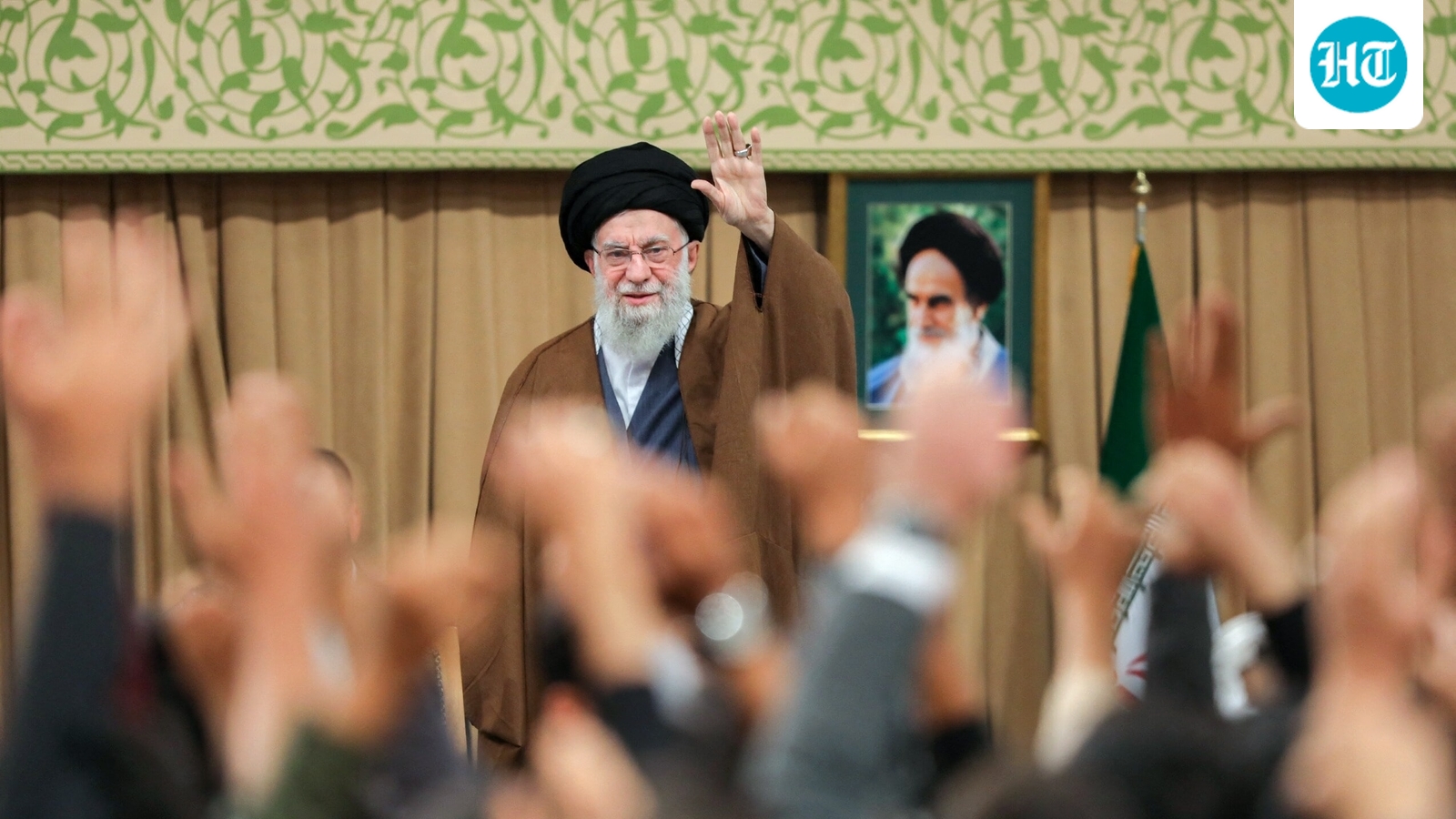
Tehran, the capital of Iran, has undergone a significant transformation since my last visit six years ago. The once-thriving city now appears dull and impoverished, plagued by soaring inflation and shrinking subsidies that have pushed millions into poverty. The annual commemoration of the death of Prophet Muhammad's daughter, Fatima, has contributed to the decline of street music, and the city's entertainment sector has suffered a 30% decline in household spending.
But the main reason for this transformation is not the economic downturn alone. Our experience as journalists, accompanied by government minders, highlights the regime's strict control over the narrative. These minders restricted our access to sources, provided filtered translations, and recorded our questions, creating an atmosphere of uncertainty and fear.
In contrast, my previous visit allowed me to meet Iranians who were fun-loving, witty, and irreverent, showcasing a vibrant cultural scene that rivaled major Western capitals. The absence of these stories in our recent report raises questions about the regime's motives. By controlling the narrative, the authorities may hope to project an image of stability, but this approach ultimately backfires.
The restrictions imposed by the regime have unintended consequences, including the exodus of Iranian journalists who join the opposition's satellite channels, which set the news agenda both domestically and internationally. Even Iranian diplomats recognize the limitations of the regime's strictures on media access.
To reconnect with the world and project its message effectively, the Iranian regime should consider reopening the country and allowing both Iranian and foreign journalists to report freely. This would not only provide a more accurate representation of the country but also demonstrate a commitment to transparency and accountability.
We invite your thoughts on this issue at [email protected].


