
Trump Expands Travel Ban to 30 Countries, Citing Security Concerns After DC Shooting
The administration already has in place a full block on travelers from 12 countries, with partial restrictions on seven others.
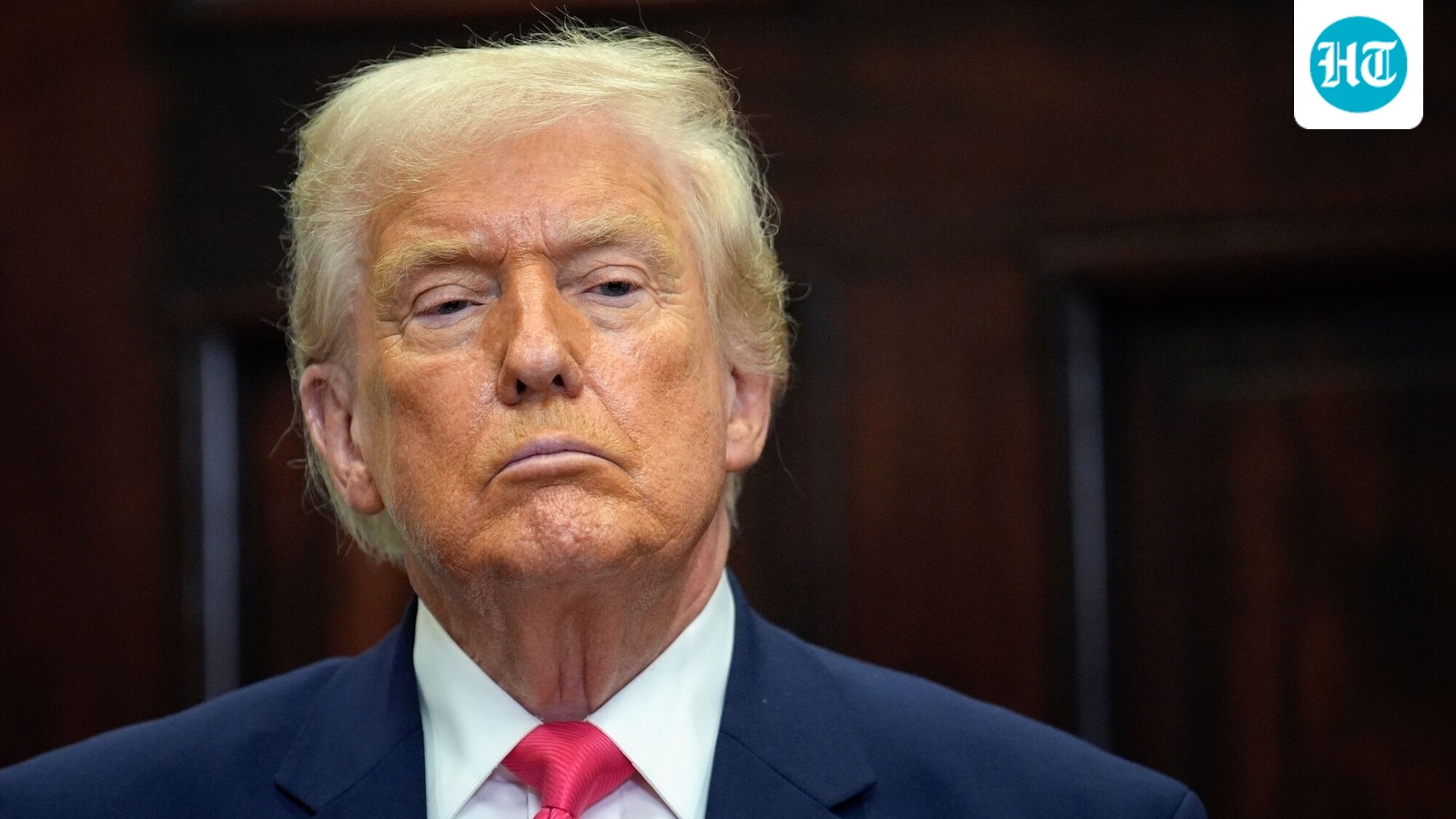
The Trump administration is set to broaden its travel ban to include around 30 countries, in a move aimed at strengthening US immigration controls following a deadly shooting in Washington last week. The list of additional countries is expected to be announced soon, according to a Department of Homeland Security official.
The existing travel ban, which affects 12 countries, will be complemented by a full block on travelers from these new nations. Seven countries currently face partial restrictions. The US Citizenship and Immigration Services (USCIS) has also decided to pause all immigration requests from 19 countries already under restrictions, including applications for green cards.
A 'comprehensive re-review' of approvals granted to individuals from these nations who entered the US after the Biden administration took office will be conducted. President Trump has been pushing for stricter immigration policies, citing the recent shooting that killed one National Guard member and left another in critical condition.
The suspect, identified as Rahmanullah Lakanwal, a 29-year-old Afghan national, worked with US forces and the CIA in Afghanistan before arriving in the US in 2021. Trump and his allies have blamed the previous administration for allowing Lakanwal into the country, and have called for more curbs on migrants.
This expansion of the travel ban, one of the most contentious Trump policies, would represent a significant step towards implementing his pledge to reduce legal migration. The plans were first reported by CBS News, and come after Homeland Security Secretary Kristi Noem recommended a full travel ban on 'every damn country that’s been flooding our nation with killers, leeches, and entitlement junkies.'
The countries currently facing a full ban include Afghanistan, Chad, the Republic of Congo, Equatorial Guinea, Eritrea, Haiti, Iran, Libya, Myanmar, Somalia, Sudan, and Yemen, with partial bans on travelers from Burundi, Cuba, Laos, Sierra Leone, Togo, Turkmenistan, and Venezuela. All 19 of these nations are covered by the immigration application pause outlined by USCIS.
The USCIS memo directly cites the Lakanwal case, and the State Department has announced a pause on all visa issuances to Afghan nationals applying with Afghan passports. Trump has been taking steps to overhaul US immigration policy, including lowering the refugee cap, ending temporary protected status, and imposing a $100,000 application fee for H-1B visas.


