
Trump's $2,000 Dividend Plan Sparks Skepticism as Tariff Revenue Falls Short
The president proposed the idea on social media on Sunday, five days after his Republican Party lost elections in Virginia, New Jersey and elsewhere. | World News
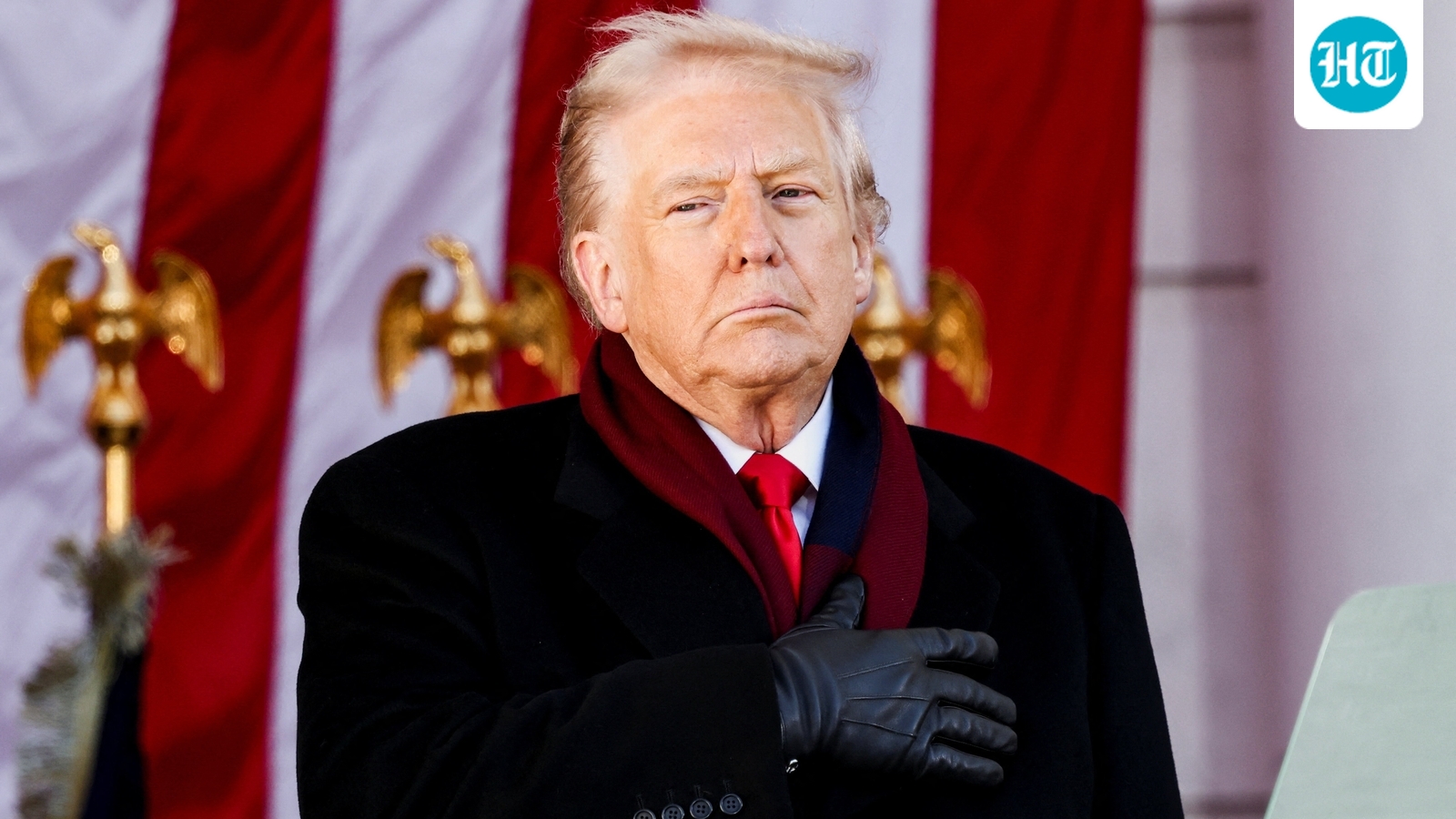
In a recent proposal, President Donald Trump claimed that the revenue generated from tariffs could be used to finance a $2,000 dividend for American families. However, experts have expressed skepticism about the feasibility of this plan, citing the limited revenue generated by tariffs and the potential legal challenges they face.
According to the president, the tariffs have brought in a record $195 billion in revenue for the federal government, a 153% increase from the previous year. However, this amount accounts for less than 4% of the federal revenue and has done little to dent the $1.8 trillion federal budget deficit.
Budget experts say that Trump's math doesn't add up, with the estimated revenue from tariffs falling short of the proposed dividend cost. John Ricco, an analyst at the Budget Lab at Yale University, estimates that the revenue from tariffs would be around $200 billion to $300 billion annually, which is not enough to cover a $2,000 dividend for all Americans, including children.
Furthermore, the tariffs are paid by U.S. importers, who then pass on the cost to their customers through higher prices. Mainstream economists and budget analysts argue that the dividend plan "misses the mark" and that if the goal is to provide relief to Americans, the tariffs should be eliminated.
The proposal has also raised questions about the potential legal challenges the tariffs face. The U.S. Supreme Court is currently hearing a case that could strike down the tariffs, which were imposed by the Trump administration without congressional approval. If the court rules against the tariffs, the administration may be forced to refund the money to importers, rather than sending dividend checks to American families.
In response to the proposal, Treasury Secretary Scott Bessent suggested that the rebate might take the form of tax cuts, rather than a direct payment to families. However, the details of the plan remain scarce, and it is unclear what income limits would apply or whether payments would be made to children.
Overall, the proposal has sparked concerns about the feasibility and fairness of the plan, with experts arguing that it would be more effective to eliminate the tariffs and provide relief to Americans through other means.


