
Trump's 'Golden Gateway' Visa: $1 Million Path to US Residency - But at What Cost?
Immigrants can now donate $1 million and gain a U.S. green card-like status through Trump's proposal of the “Gold Card” pathway; form sent for federal review
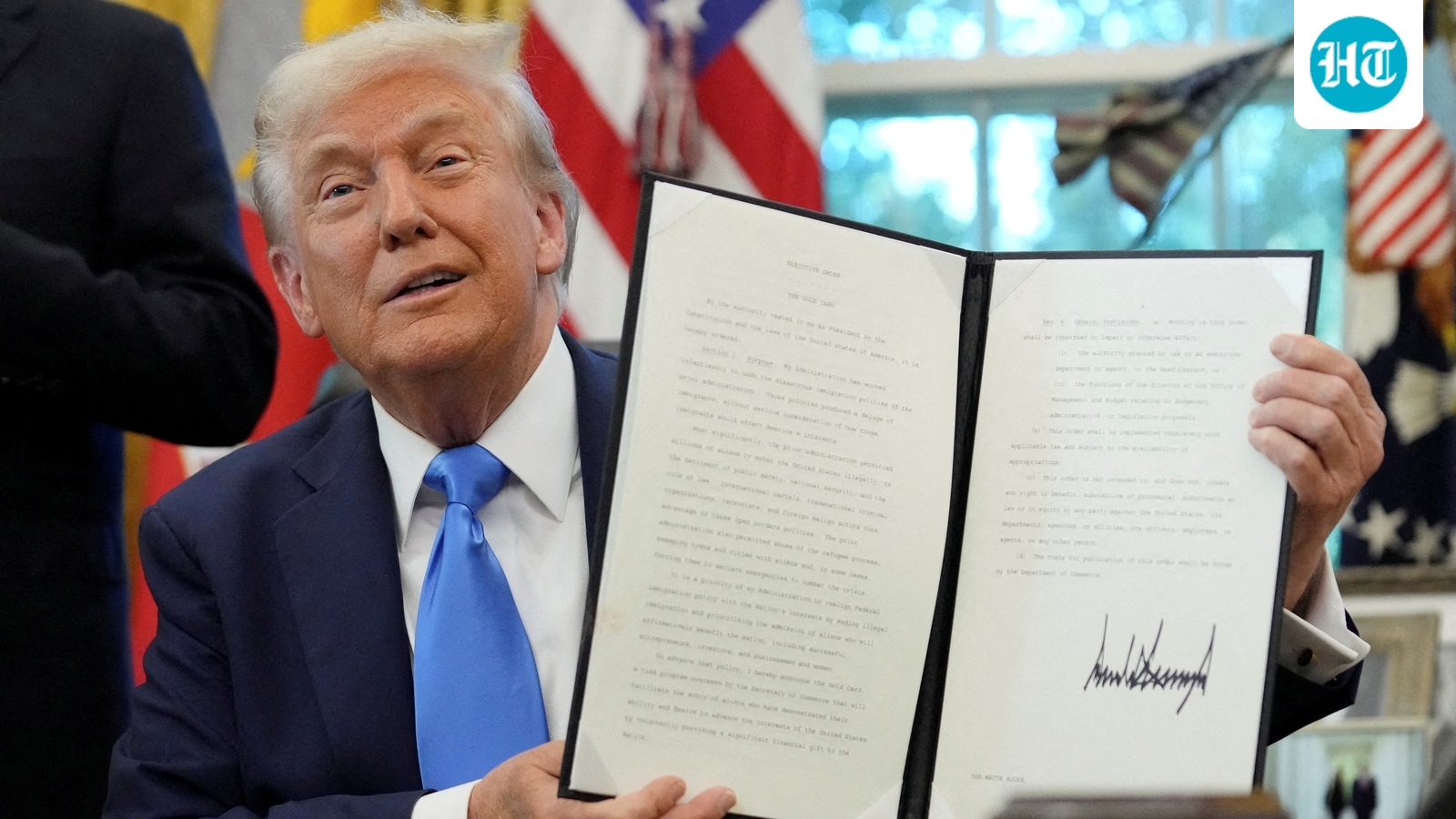
The U.S. Citizenship and Immigration Services (USCIS) is moving forward with a proposed 'Golden Gateway' visa pathway that would grant foreign nationals permanent-resident status in exchange for a $1 million donation to the U.S. Treasury. The initiative, aimed at replacing the EB-5 visa program, has sparked both enthusiasm and criticism.
The proposed 'Golden Gateway' program would allow high-net-worth individuals to obtain a green card by contributing $1 million to the U.S. Treasury, with a non-refundable application fee of $15,000. The process involves three phases: submitting a request, paying the application fee, and filing a Form I-140G with USCIS.
The program's proponents argue that it would provide access to U.S. residency, education, and financial markets for global high-net-worth individuals. However, critics warn that the program prioritizes wealth over merit and could 'crowd out skilled professionals' who qualify under traditional visa categories.
The 'Golden Gateway' program has also sparked debate about the concept of 'selling citizenship.' Critics argue that the program turns access to the U.S. into a commodity, rather than a merit- or need-based process. The proposed 'Platinum Card' program, requiring a $5 million contribution, has raised further concerns about the potential benefits to the ultra-wealthy.
As the USCIS moves forward with the 'Golden Gateway' program, questions remain about its impact on the U.S. immigration system and the implications for those seeking access to the country.
Sources:
- USCIS
- Fragomen
- The Washington Post
- Money Control
- Bloomberg Law
- Forbes


