
Trump's Overtime Tax Break in Jeopardy: 5 States Where It Won't Apply
Trump’s overtime tax break faces backlash as some states pass laws blocking residents from using the federal deduction, eliminating the benefit.
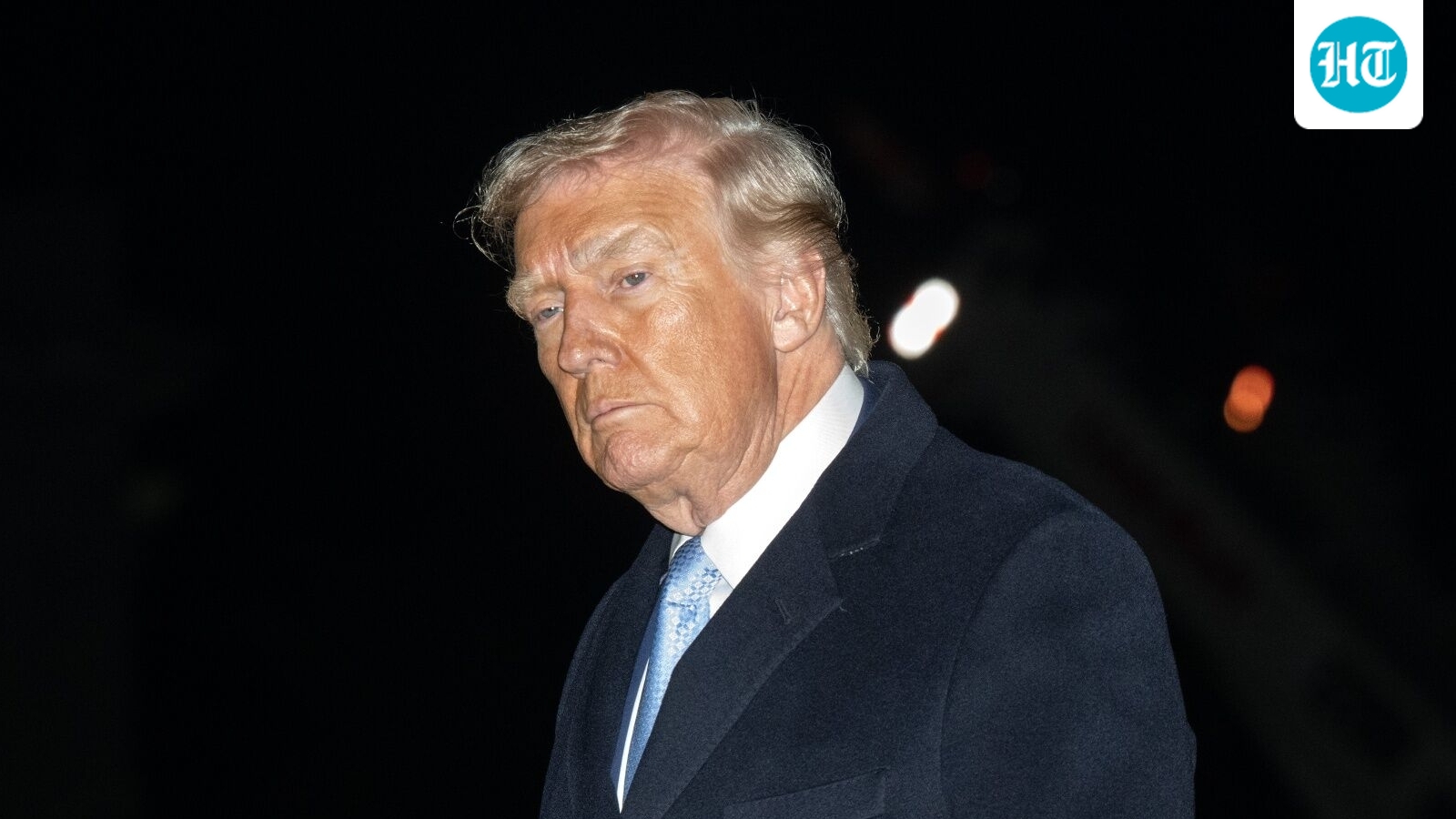
A tax break signed into law by President Donald Trump on July 4, offering no federal income tax on overtime payments, has faced scrutiny from several states. The 'One Big Beautiful Bill' Act, which included the tax break, took effect retrospectively on January 1, 2025, and applies to overtime income up to $12,500 for singles and $25,000 for married couples.
The tax break, which was a major campaign promise, provides a deduction rather than a full exemption, meaning overtime pay is still taxed, except for the premium portion. However, some states have passed laws to exempt their residents from this deduction, citing budget concerns.
As of now, five states have restricted the federal exemption on taxes on overtime. Here's a breakdown of the states and their laws:
Washington: In November 2025, the city council passed an emergency amendment rejecting the no tax on overtime provision.
New York: The state has introduced two new provisions in its income tax laws that will bypass the federal government's no overtime tax law.
Illinois: Although it has not yet put the no tax on overtime law into effect, it is expected to follow New York's approach and tax overtime deductions allowed by the federal government.
Colorado: The state has announced that it will not adopt the no tax on overtime provision and will instead require residents to report overtime pay and pay taxes on it.
These states aim to protect their budgets by limiting the tax break, which may have significant implications for US taxpayers with overtime income. The next tax filing season will be the first time taxpayers will see the impact of this change.


