
Trump's Pardon Call for Netanyahu Sparks US Influence Concerns in Israel
It was the latest attempt by Trump to intervene on behalf of Netanyahu, raising questions about undue American influence over internal Israeli affairs. | World News
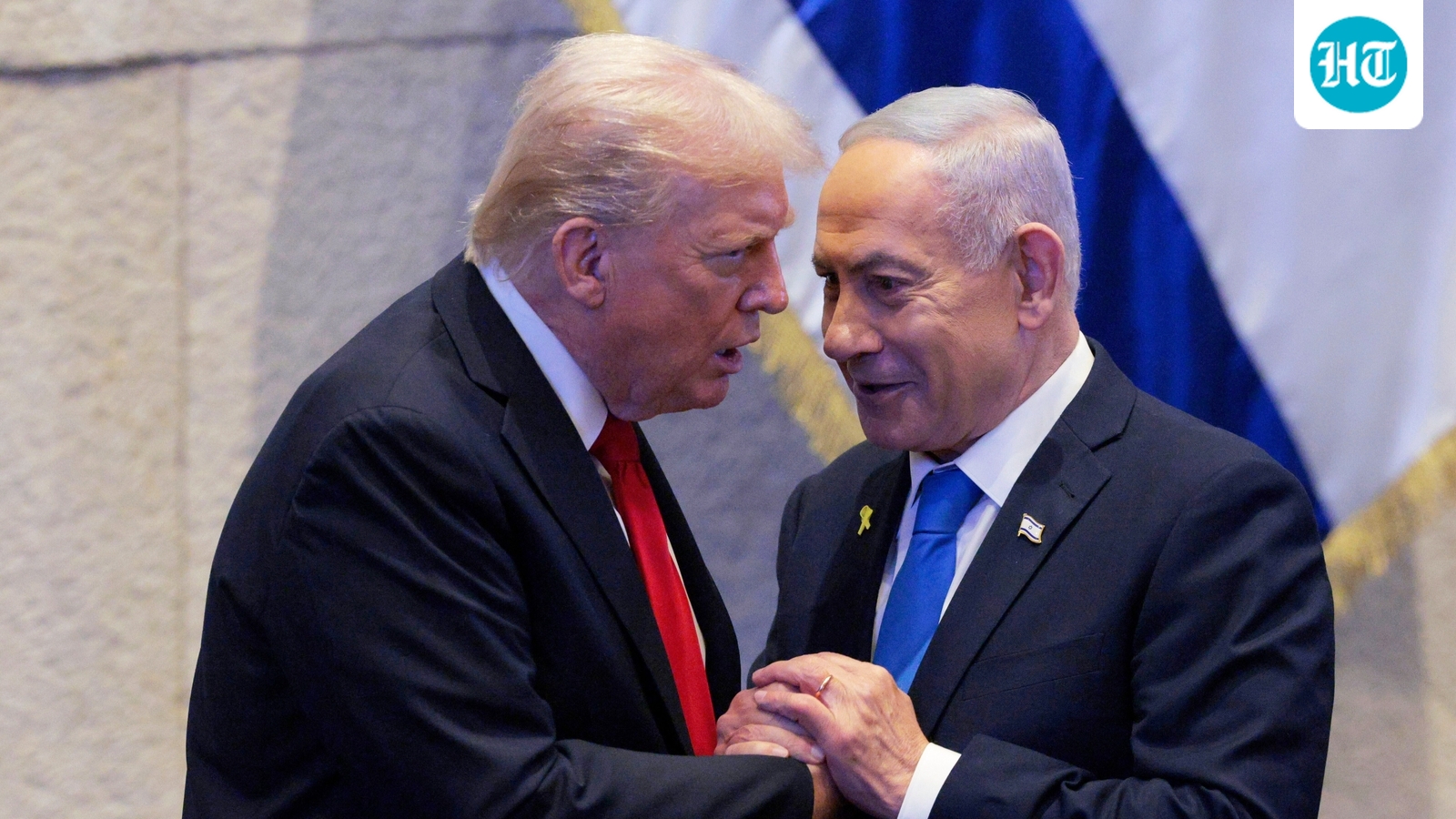
In a move that has raised eyebrows over American influence in Israeli affairs, US President Donald Trump sent a letter to Israel's President Isaac Herzog on Wednesday, urging him to pardon Prime Minister Benjamin Netanyahu in a corruption trial that has deeply divided the country. This is not the first time Trump has intervened on Netanyahu's behalf, having called for a pardon during a speech to Israel's parliament last month.
Netanyahu, who has been charged with fraud, breach of trust, and accepting bribes, rejects the allegations and has condemned the trial as a witch hunt. While Netanyahu has expressed gratitude to Trump for his support, it remains unclear whether the pardon request will be granted. According to Israeli law, a presidential pardon can only be issued if Netanyahu makes a formal request, which sets in motion a long procedure that includes recommendations from the Justice Ministry.
Critics, including opposition leader Yair Lapid, have raised concerns that a pardon could have unintended consequences and undermine the rule of law. Senior researcher Amir Fuchs at the Israel Democracy Institute notes that pardons are usually issued for people who have been convicted of a crime, and that a pardon without an admission of guilt is unusual and potentially illegal.
The controversy has sparked concerns about American influence over Israeli policies, particularly in relation to security in the Gaza Strip. While both Netanyahu and US officials have denied any attempt to exert undue influence, the visits of senior American leaders, including Vice President JD Vance and Secretary of State Marco Rubio, have been seen as attempts to ensure Israel continues to uphold its side of the fragile ceasefire.
As the trial continues, the fate of Netanyahu's pardon request remains uncertain, and the implications of Trump's intervention continue to be debated in Israel and beyond.


