
Trump's 'Third World' Migration Freeze: Which Countries Could Be Affected?
In a significant shift in immigration policy, US President Trump announced a 'permanent pause' on migration from designated 'Third World' countries.
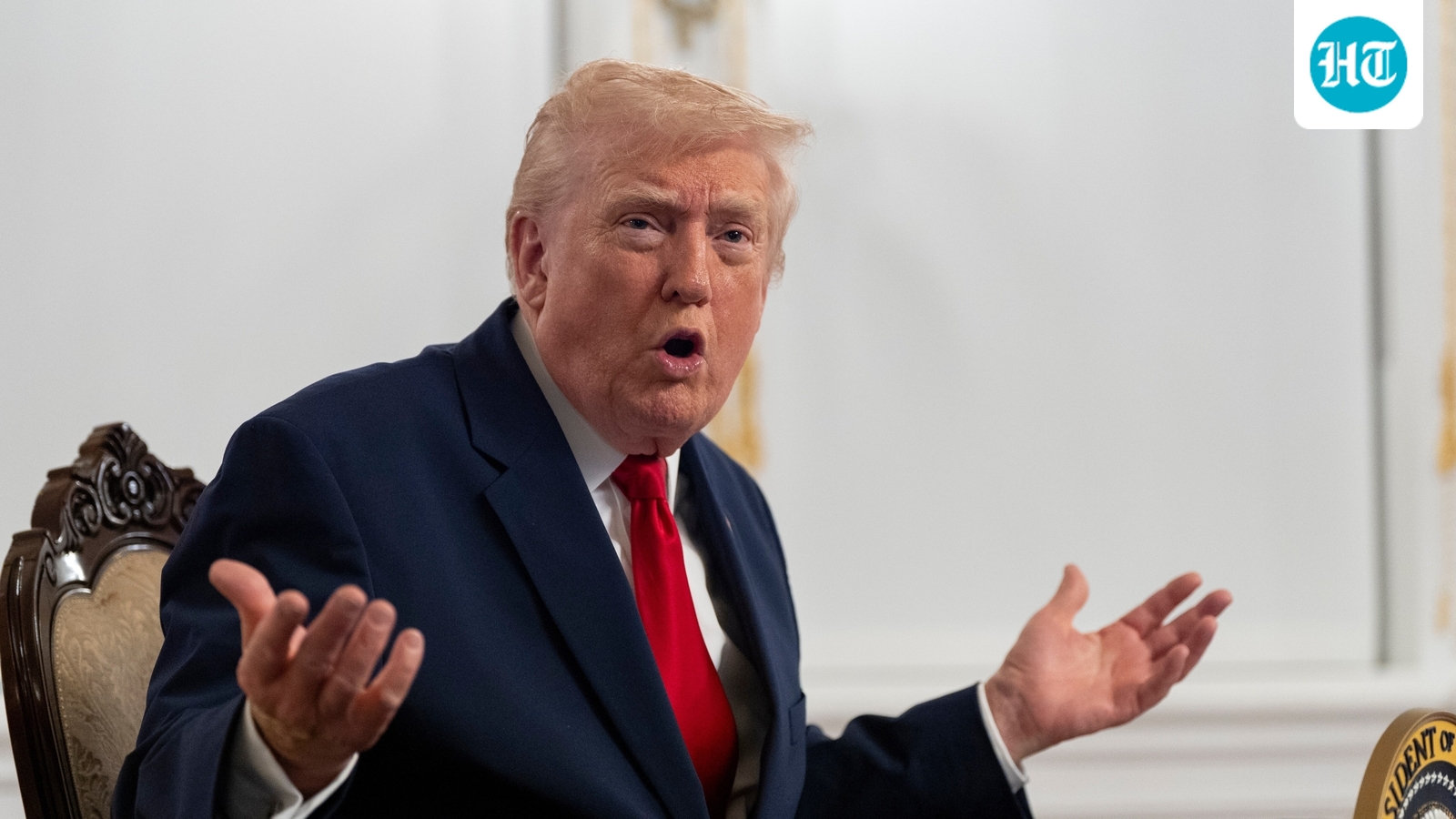
US President Donald Trump has announced a drastic measure to 'permanently pause migration' from what he calls 'Third World countries' in response to the recent shooting of two National Guard members in Washington by an Afghan national. Trump's plan aims to halt future migration, reassess millions of existing immigration admissions, and deport non-citizens deemed a security threat or not contributing to society.
The move marks an escalation of Trump's second-term agenda, focusing on mass removals and restricted entry into the US. The president framed the decision as necessary, stating that 'reverse migration' is the only solution to the situation.
In a separate development, the US Citizenship and Immigration Services (USCIS) has launched a comprehensive review of Green Cards from 19 'high-risk' countries. The review is a response to the attack on US service members and will apply to all pending and future requests filed from November 27, 2025, onward.
The 19 countries under scrutiny include Afghanistan, Myanmar, Burundi, Chad, Republic of the Congo, Cuba, Equatorial Guinea, Eritrea, Haiti, Iran, Laos, Libya, Sierra Leone, Somalia, Sudan, Togo, Turkmenistan, Venezuela, and Yemen.
The term 'Third World' is often misused to describe poorer or developing countries. In reality, it originated from the Cold War era and refers to countries not aligned with the US or Soviet Union. The 19 nations on the administration's list fall into categories such as low or middle-income countries, countries facing conflict or instability, and those requiring extra security checks.
The implications of Trump's plan and the USCIS review are significant, and it remains to be seen how they will affect individuals and communities worldwide.


