
UN Climate Conference Ends with Funding Pledge, But Falls Short on Fossil Fuel Phase-Out Plan
The catch-all agreement doesn't include explicit details to phase out fossil fuels or strengthen countries' inadequate emissions cutting plans. | World News
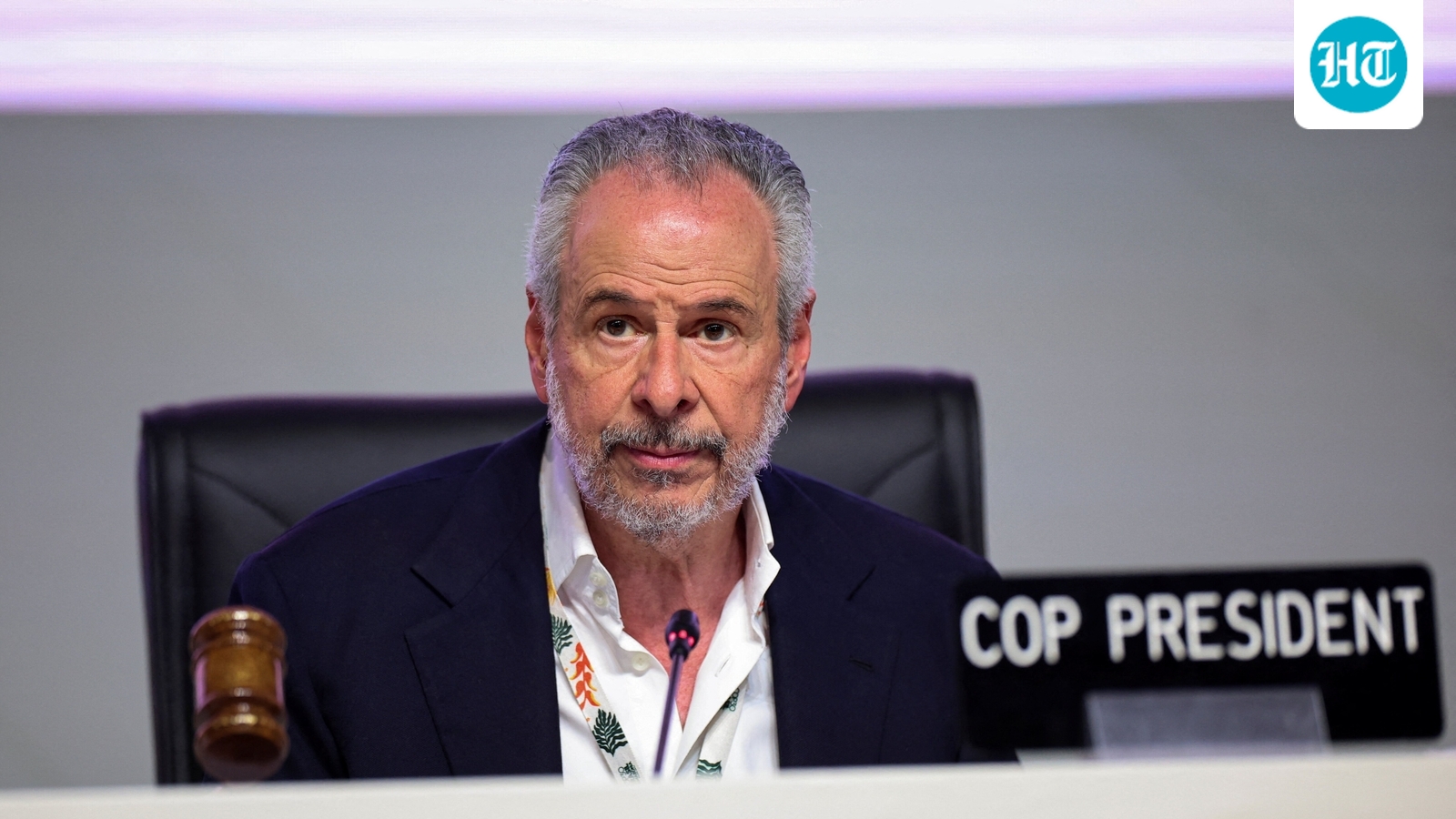
The United Nations climate conference in Brazil concluded with a compromise agreement that allocates additional funding to help countries adapt to extreme weather, but fails to include a clear plan to phase out fossil fuels. The deal was met with a mix of relief and disappointment from nations and climate advocates.
The agreement, reached after 12 hours of intense negotiations, was praised by some as a necessary step forward, given the difficult circumstances. However, others criticized the deal for not doing enough to address the urgent need to reduce greenhouse gas emissions.
The Brazilian hosts of the conference promised to develop a roadmap to transition away from fossil fuels, but this plan will not have the same binding force as a UN-approved agreement. This move was met with anger from Colombia, which accused the conference of ignoring science and failing to address the root causes of the climate crisis.
The deal also faced criticism for its lack of clarity and coherence on key issues, including emissions reduction targets and climate adaptation finance. Despite this, the conference managed to agree on 59 indicators to measure countries' progress in adapting to climate change, down from an initial 100 indicators proposed by experts.
The conference's failure to deliver a more ambitious agreement was attributed to the difficult geopolitical context and the need for compromise. However, critics argue that the deal falls short of what is needed to address the scale and urgency of the climate crisis.
The agreement did manage to triple financial aid for developing nations to adapt to extreme weather, but pushed back the goal by five years. This move was seen as a disappointment by vulnerable nations, which rely on this funding to rebuild from devastating climate-related disasters.
As the conference came to a close, climate advocates and nations expressed disappointment and frustration with the outcome. While the agreement was seen as a necessary step forward, it fails to address the scale and urgency of the climate crisis, and leaves vulnerable nations without the support they need to adapt to a changing climate.


