
US Aircraft Carrier Deployment Sparks Tensions with Venezuela and Raises Concerns About Escalating Military Action
In Trinidad and Tobago, which is only 7 miles from Venezuela at its closest point, government officials said troops have begun “training exercises”. | World News
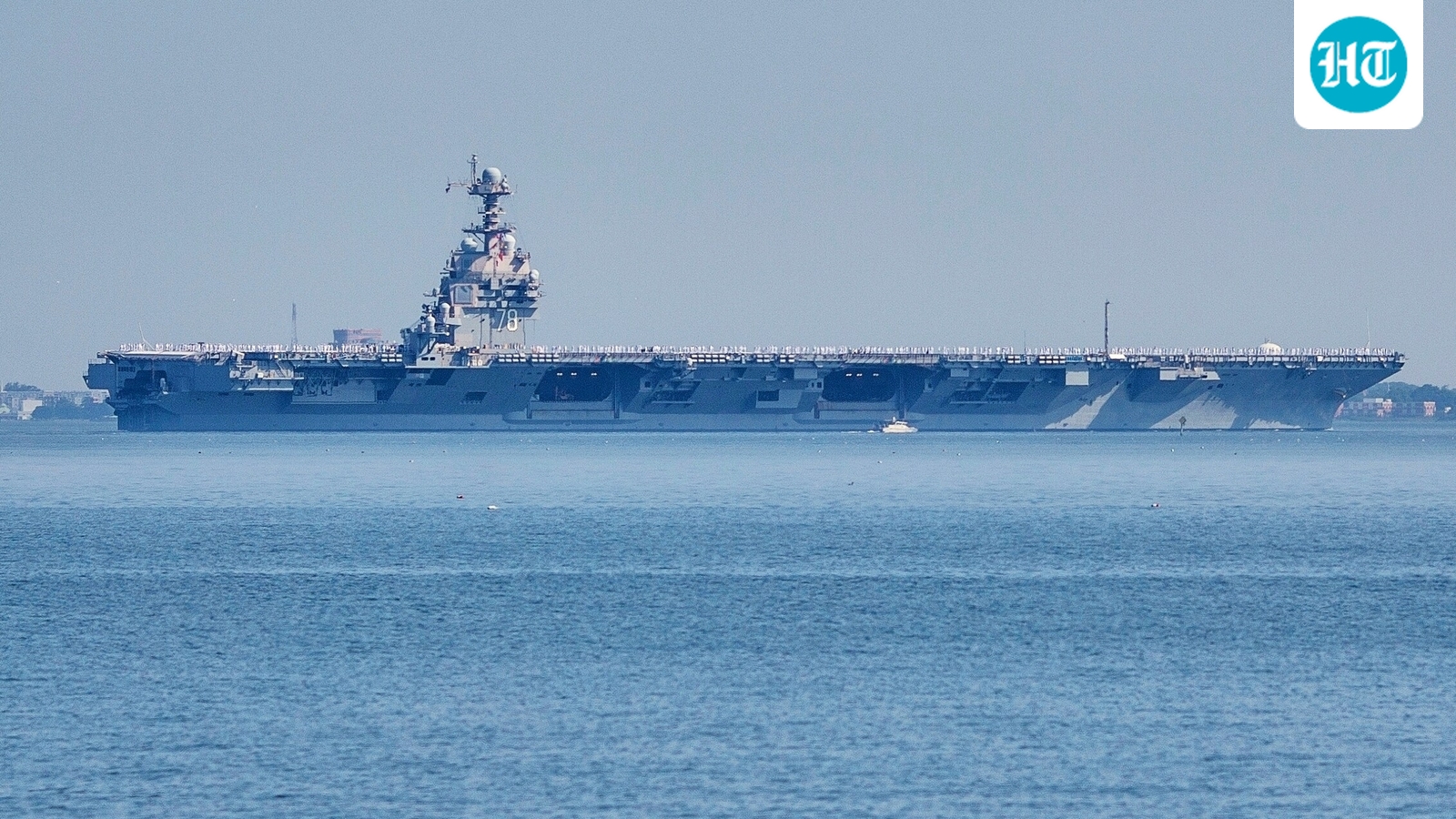
The USS Gerald R. Ford, the United States' most advanced aircraft carrier, has arrived in the Caribbean Sea as part of a significant military buildup in the region. This move has raised eyebrows and fueled tensions with Venezuela, particularly amidst ongoing US strikes against boats suspected of carrying drugs.
The deployment marks a major escalation in the Trump administration's counterdrug operation, with nearly a dozen Navy ships and over 12,000 sailors and Marines participating in the "Operation Southern Spear" mission. Rear Admiral Paul Lanzilotta, commander of the strike group, emphasized that the operation is aimed at protecting national security and combating narco-terrorism in the Western Hemisphere.
However, critics argue that the administration's narrative lacks concrete evidence to support its claims of targeting narco-terrorists. Some experts also question the effectiveness of the aircraft carrier in fighting cartels, suggesting it might be used as a tool of intimidation against Venezuelan President Nicolás Maduro.
The US has insisted that the buildup is focused on stopping the flow of drugs into the country, but the Venezuelan government views the deployment as an act of aggression. The situation has sparked concerns about the potential for further military action, with some warning that the use of American warplanes to strike land targets in Venezuela could be a significant escalation.
The arrival of the USS Gerald R. Ford has sparked a mix of reactions in the region, with some governments welcoming the increased US military presence and others expressing concern about the implications. As the situation continues to unfold, one thing is clear: the US military presence in the Caribbean has become a focal point of international attention and a potential catalyst for further conflict in the region.


