
US Colleges Adapt to Visa Hurdles with Flexible Enrollment Options for International Students
Visa issues remain a significant barrier for international students in the US, with many colleges offering deferrals to accommodate delays.
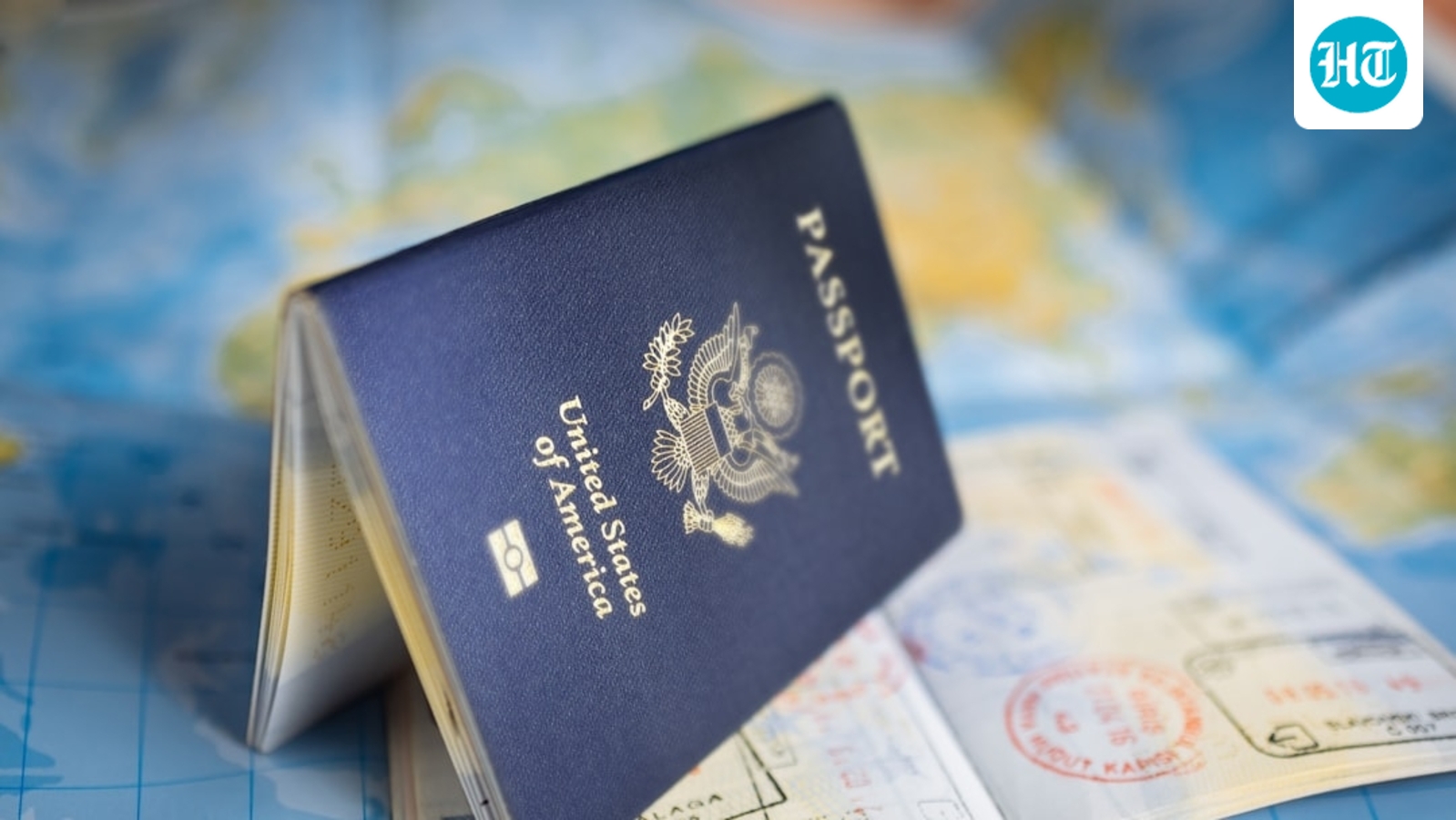
The ongoing struggle of international students to secure US visas has prompted a significant shift in college enrollment policies. A recent study by the International Educational Exchange found that 96% of US institutions attribute declining new enrollments to visa delays and denials, with travel restrictions being the second major factor (68%).
In response, many US colleges are now offering international student deferrals, allowing admitted applicants to delay their enrollment and join the following year's class. This flexibility is crucial for students facing visa delays, travel issues, or other circumstances that prevent them from starting on time.
According to the report, 72% of institutions are permitting international students to defer their admission to spring 2026, while 56% are extending deferral options to fall 2026. This represents a 39% rise in deferrals compared to the previous year. Furthermore, 37% of colleges are offering added enrollment flexibility, including online start options or delayed fall start dates.
The 2025-26 academic year saw a slight 1% decrease in the international student population in US colleges, including both enrolled students and those participating in Optional Practical Training (OPT). However, new international student enrollments dropped sharply during Trump's immigration crackdown, with a 17% decline among those beginning their studies. The full year report for 2025-26 will provide a clearer picture of international student enrollment trends in US colleges.


