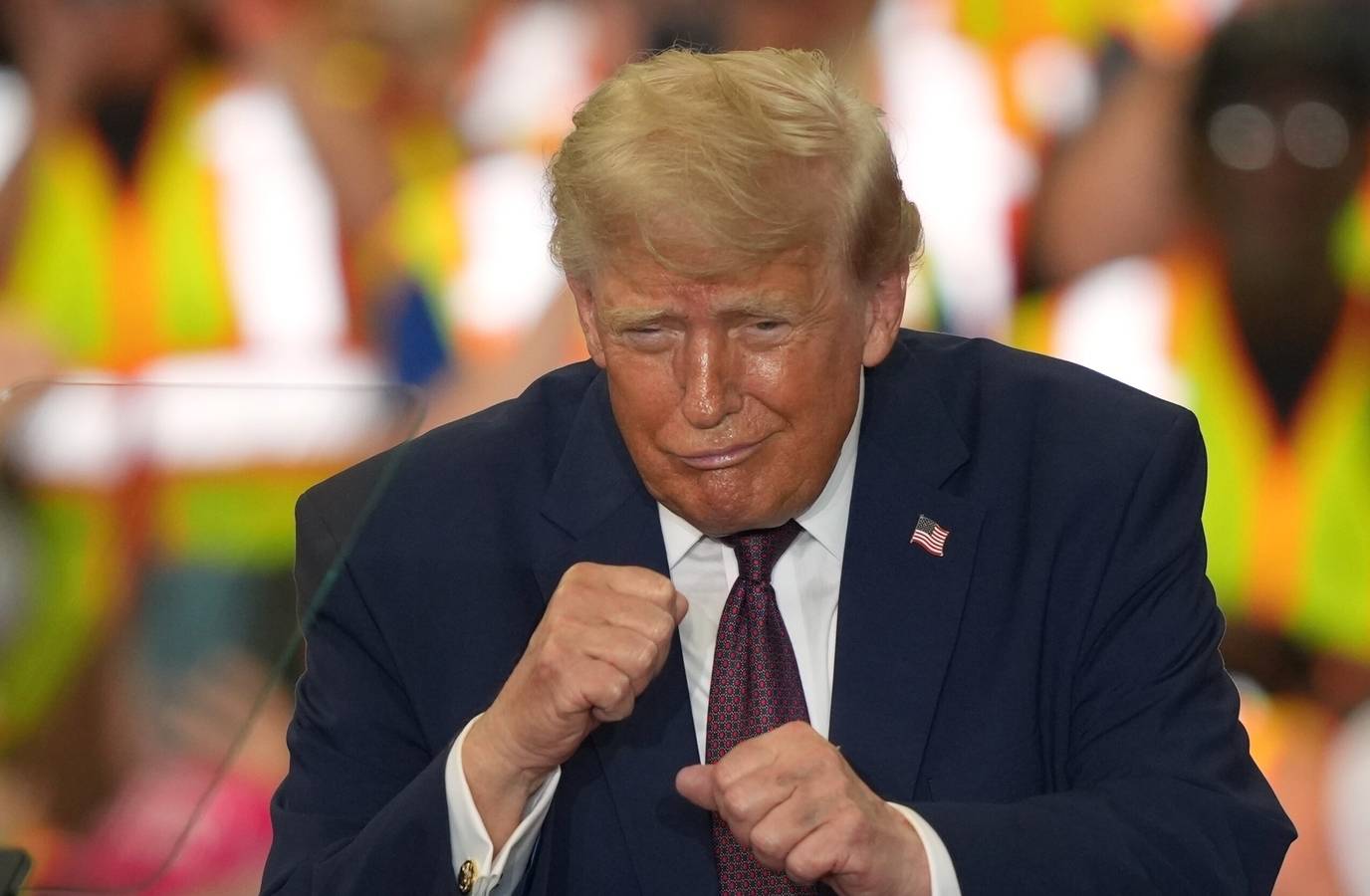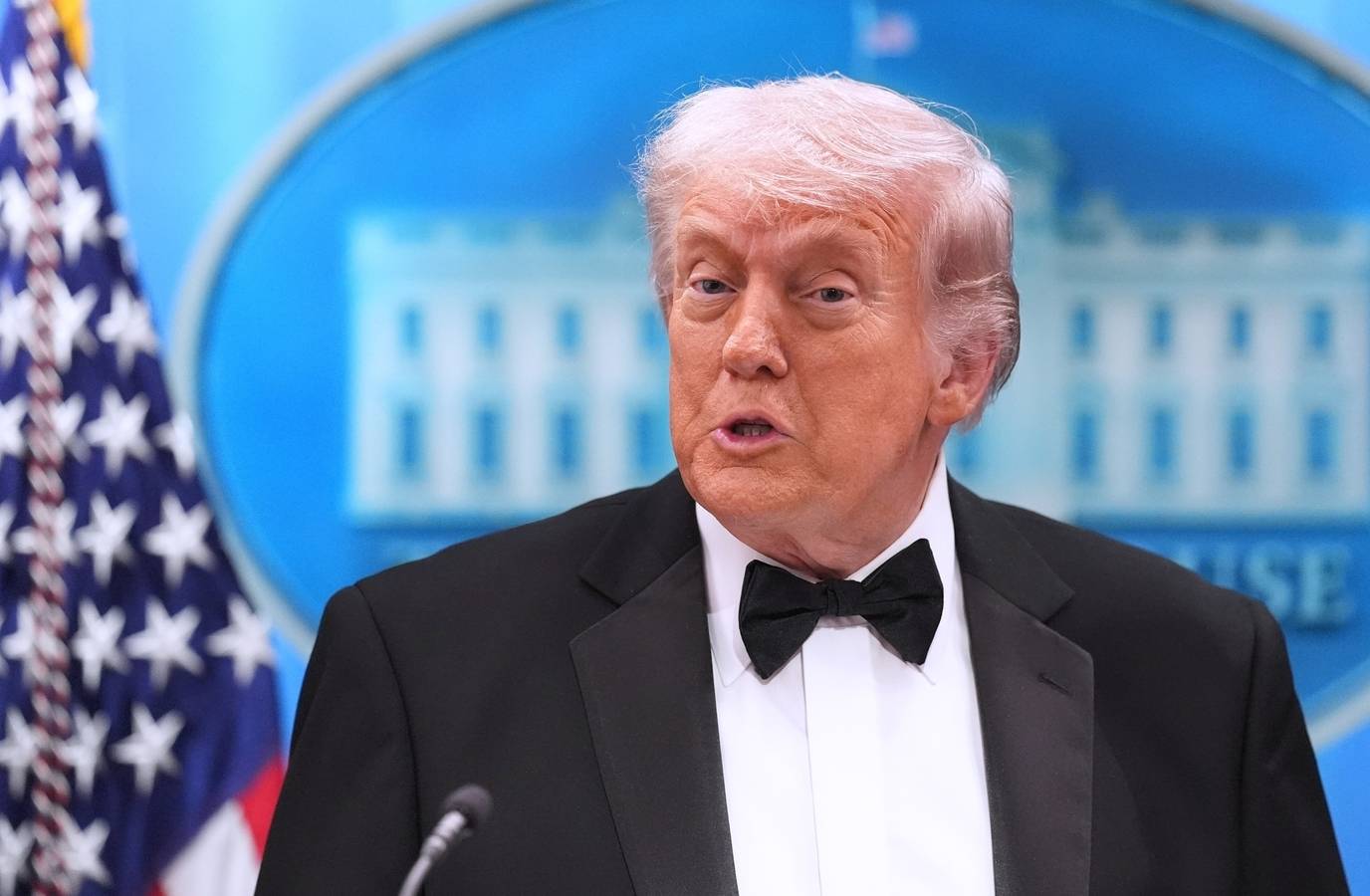
US President Donald Trump has instructed his aides to prepare for an extended blockade of the Strait of Hormuz, a move that could further escalate tensions with Iran amid stalled peace talks.
The blockade, which has been in place since late February, has driven up oil prices globally, with Brent crude trading near $111 a barrel and West Texas Intermediate above $99.
Trump's decision comes after Iran sent a new three-point proposal to Washington, which focuses on reopening the Strait, lifting the US naval blockade on Iranian ports, and delaying negotiations over Tehran's nuclear program.
However, Trump has rejected the proposal, calling it 'not in good faith,' and has instead opted to continue 'squeezing' Iran's economy and oil exports.
The US president believes that the blockade is a safer option than returning to bombing or walking away from the war, and is confident that it will drive Iran into a 'state of collapse.'
The blockade has already had a significant impact, with an average of over 20 vessels currently stationed at Iran's Chabahar port, up from just five before the conflict erupted.
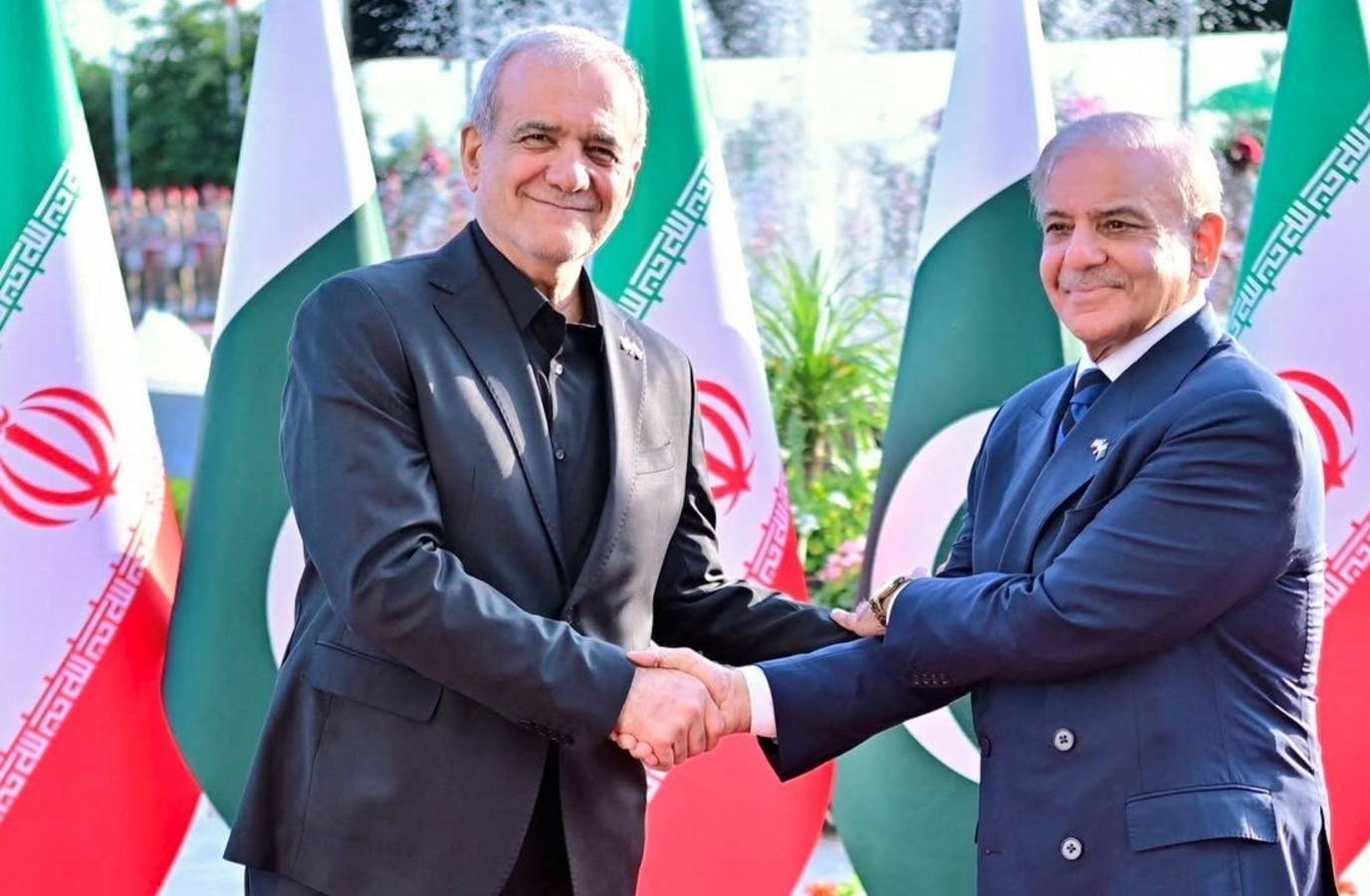
The situation remains uncertain, with US Vice President JD Vance cancelling his visit to Islamabad and Iran's Foreign Minister Abbas Araqchi leaving before the US delegation could arrive.