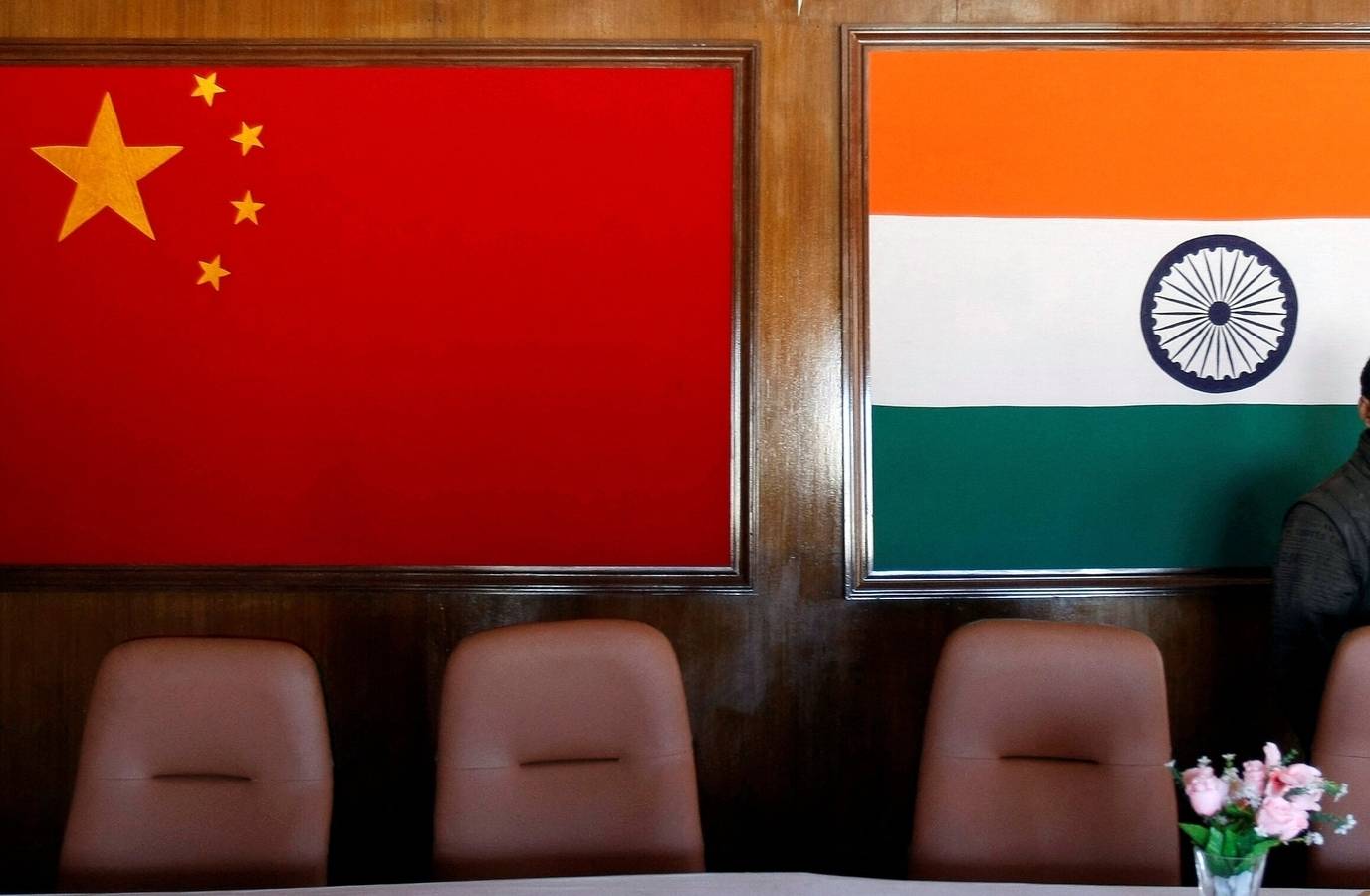
India's decision to ease foreign direct investment (FDI) rules for neighboring countries may signal a cautious thaw with China, but large Chinese firms such as BYD Co. and Great Wall Motor Co. will still face strict ownership limits and screening requirements.
On Tuesday, New Delhi relaxed FDI rules for investments from countries sharing a land border with India, allowing automatic approval for non-controlling stakes of up to 10%, subject to compliance requirements.
The changes underscore India's push to attract capital, while highlighting continued caution toward China.
"We are opening up in a strategic and calibrated manner," Amardeep Singh Bhatia, secretary in the Department of Commerce, told reporters in New Delhi. "It's a changing world and the opening up doesn't mean that concerns with regards to security have gone away."
The easing stops well short of restoring full parity for investors from neighboring countries, who will continue to face additional scrutiny and restrictions compared with other foreign firms.
While the move signals a cautious thaw with China and an effort to bolster growth amid Middle East-driven uncertainty, companies such as BYD and other major investors would still face ownership and regulatory hurdles before making major commitments.
New Delhi had introduced the so-called Press Note 3 rules in April 2020, mostly aimed at tightening scrutiny of investments amid deteriorating ties with China, which culminated in a Himalayan clash later that year.
"The selective easing signals a pragmatic recognition of an important macroeconomic reality," said Madhavi Arora, chief economist at Emkay Global Financial Services. "India remains a capital-constrained economy that requires need for deeper integration with global capital and global technology transfers and know-how."
The changes set a 60-day approval timeline for investments in sectors such as electronic components, rare earth magnets and wafers.