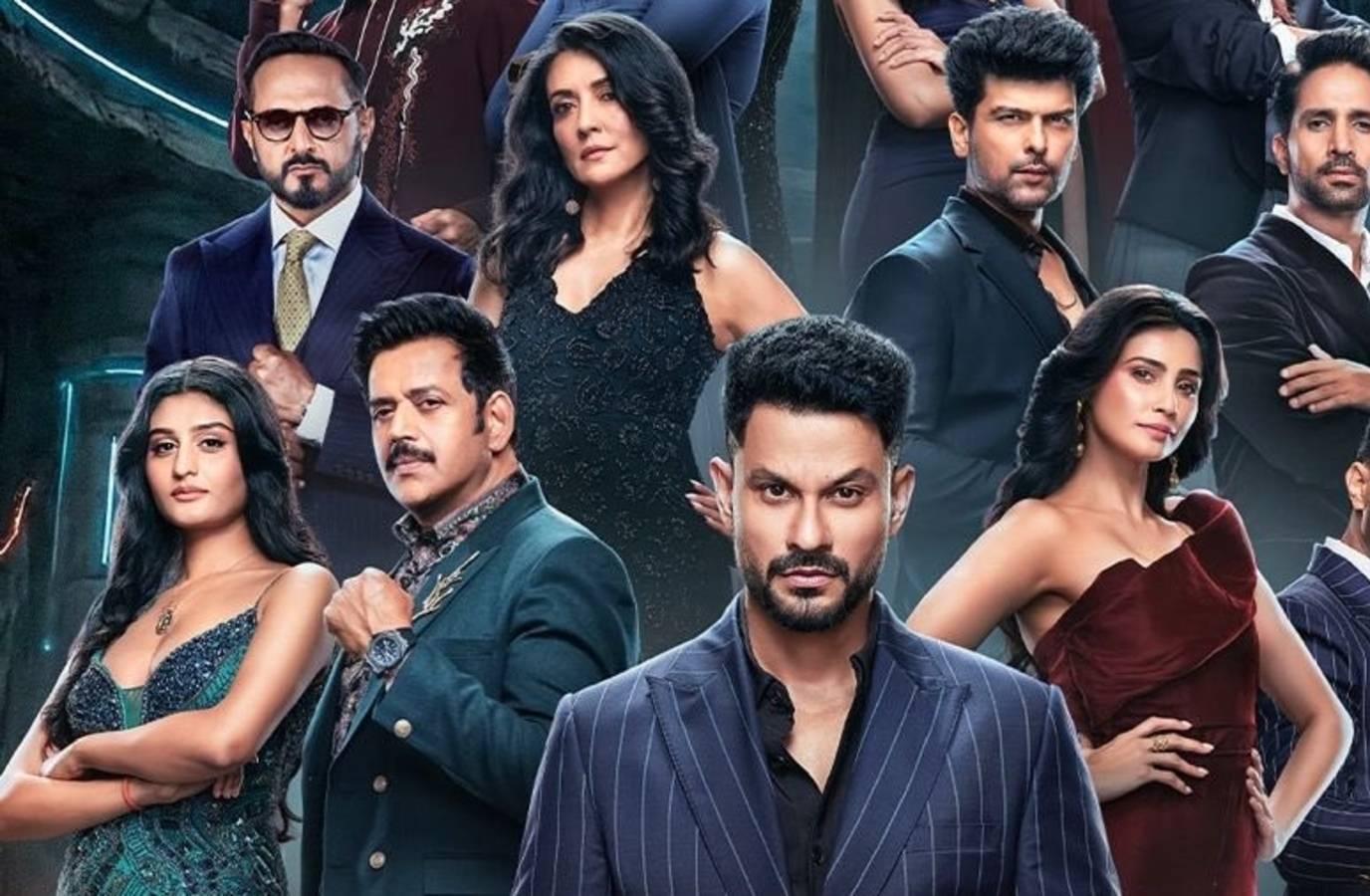
The first two episodes of Alliance, hosted by Kunal Kemmu, prove that it's not here to ease viewers into the game. The contestants are broken into pre-decided pairs, only to be shattered within minutes, and form four alliances of four members each. The first betrayal comes even before the game has properly begun, establishing one of the show's biggest themes: trust is temporary.
The show's format feels heavily inspired by Bigg Boss, with instant confrontations, dramatic confrontations, and personality clashes. The alliance-based gameplay is reminiscent of Ashneer Grover's Rise and Fall, where teams compete to earn points and climb the hierarchy. The mechanics may differ, but the overall structure feels familiar.
Ravi Kishan emerges as one of the strongest personalities, effortlessly commanding attention. Nikhil Chinapa appears to understand the game better than most, and his willingness to betray an alliance on Day 1 suggests he is here to play strategically rather than emotionally.
However, Ravi's game also introduces an interesting layer of nepotism, as he openly declares that his goal isn't to win Alliance himself but to ensure his daughter Rivva Kishan lifts the trophy. While there's nothing wrong with supporting family, the declaration does make it seem like Ravi intends to play for his daughter rather than for himself.
The show's biggest question going forward is whether Alliance can move beyond unnecessary drama and let strategy take centre stage. If it delivers strong tasks and genuine alliance politics, it could carve out its own identity. If not, it risks becoming another reality show relying on loud fights and familiar conflicts.