
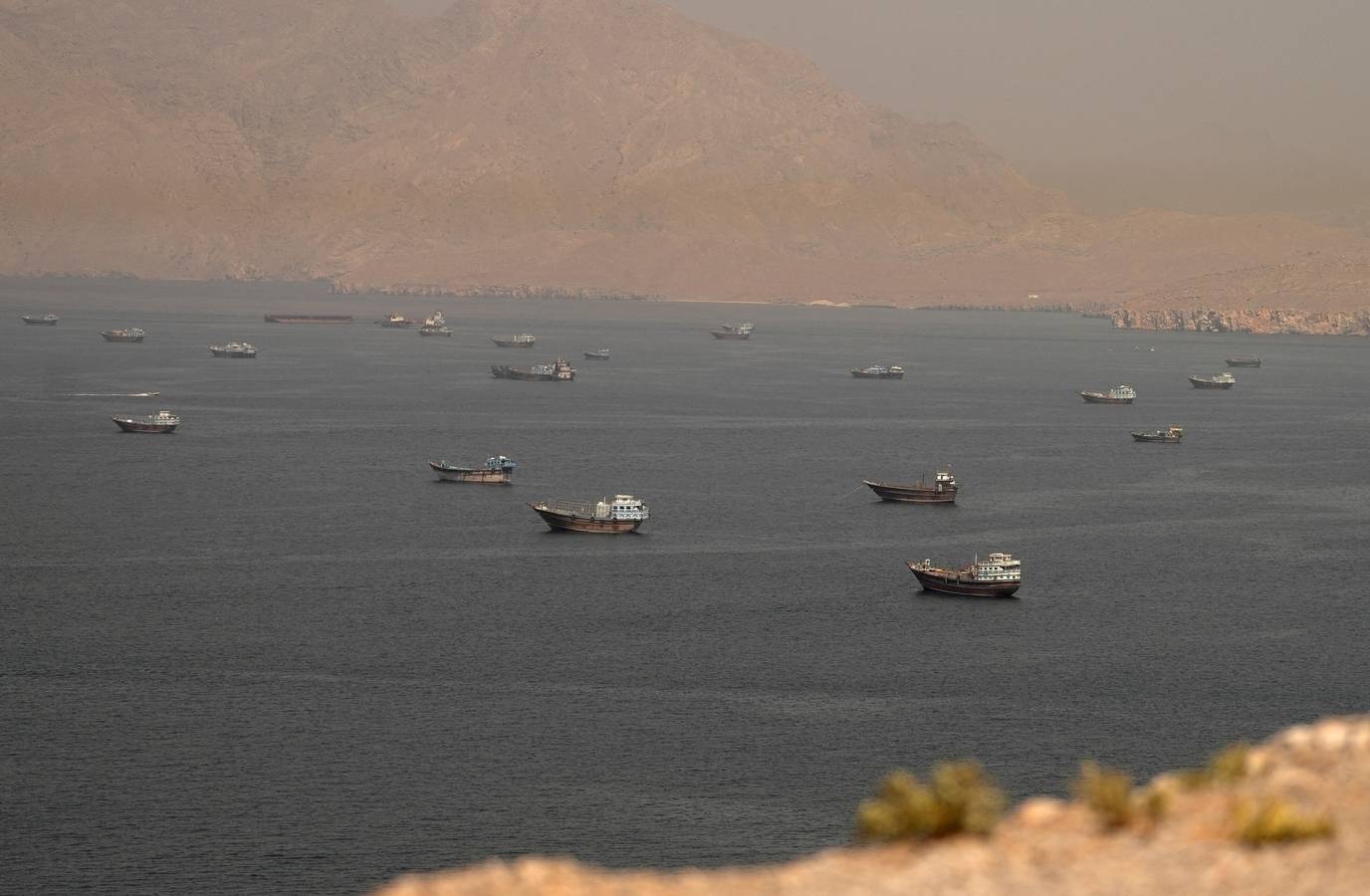
A week after the US and Iran signed a 60-day truce, the Strait of Hormuz is still plagued by complications. The US Central Command targeted Iranian missile and drone storage sites in response to an attack on a Singapore-flagged container ship, which Iran claimed was a successful repulsion of the attack.
Despite rising traffic, shipments through the strait remain far below pre-war levels, and the danger has not passed. The International Maritime Organization (IMO) estimates that around 80 mines remain in the strait's traditional shipping lanes, forcing the creation of two separate channels.
The US-Iran ceasefire agreement requires Iran to clear the mines within 30 days, but it is unclear how much progress has been made. Pakistan reported detecting a mine near Oman last week, and Britain and France have drawn up plans for a multinational mine-clearing mission.
The dispute over mines is just one of the complications facing shipping through the Strait of Hormuz. Iran has signaled that it may impose tolls on vessels crossing the strait, which would breach international maritime law. The US has maintained that the strait needs to remain open and free, and a senior US official said Iran has told the Trump administration it is not seeking tolls.
Oman's position in the scenario is unclear, with some officials suggesting that ships may have to be charged fees for services such as de-polluting the strait or assisting navigation. The situation remains fragile, and the US-Iran exchange this week underscores how easily the ceasefire can be disrupted.