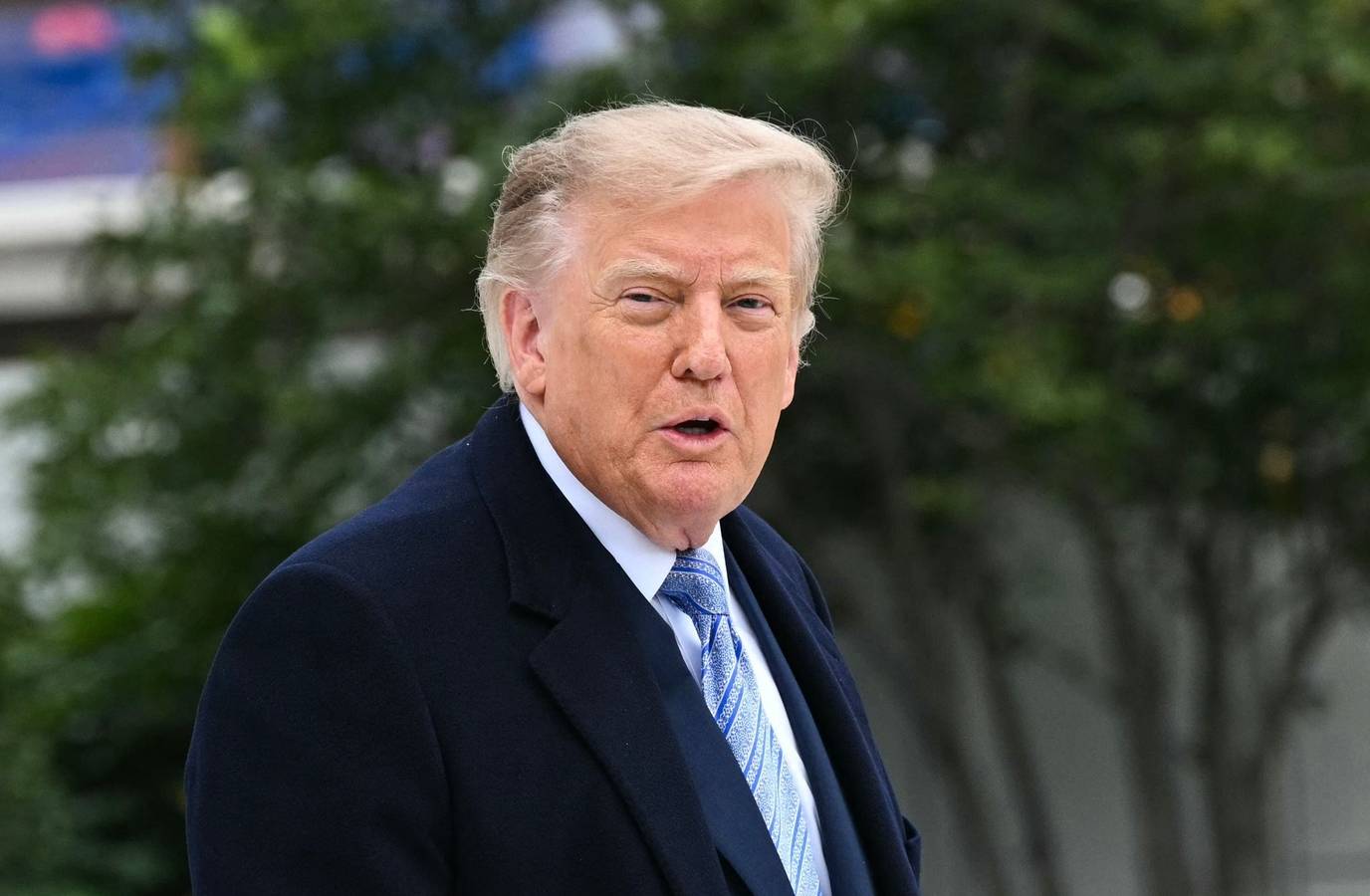
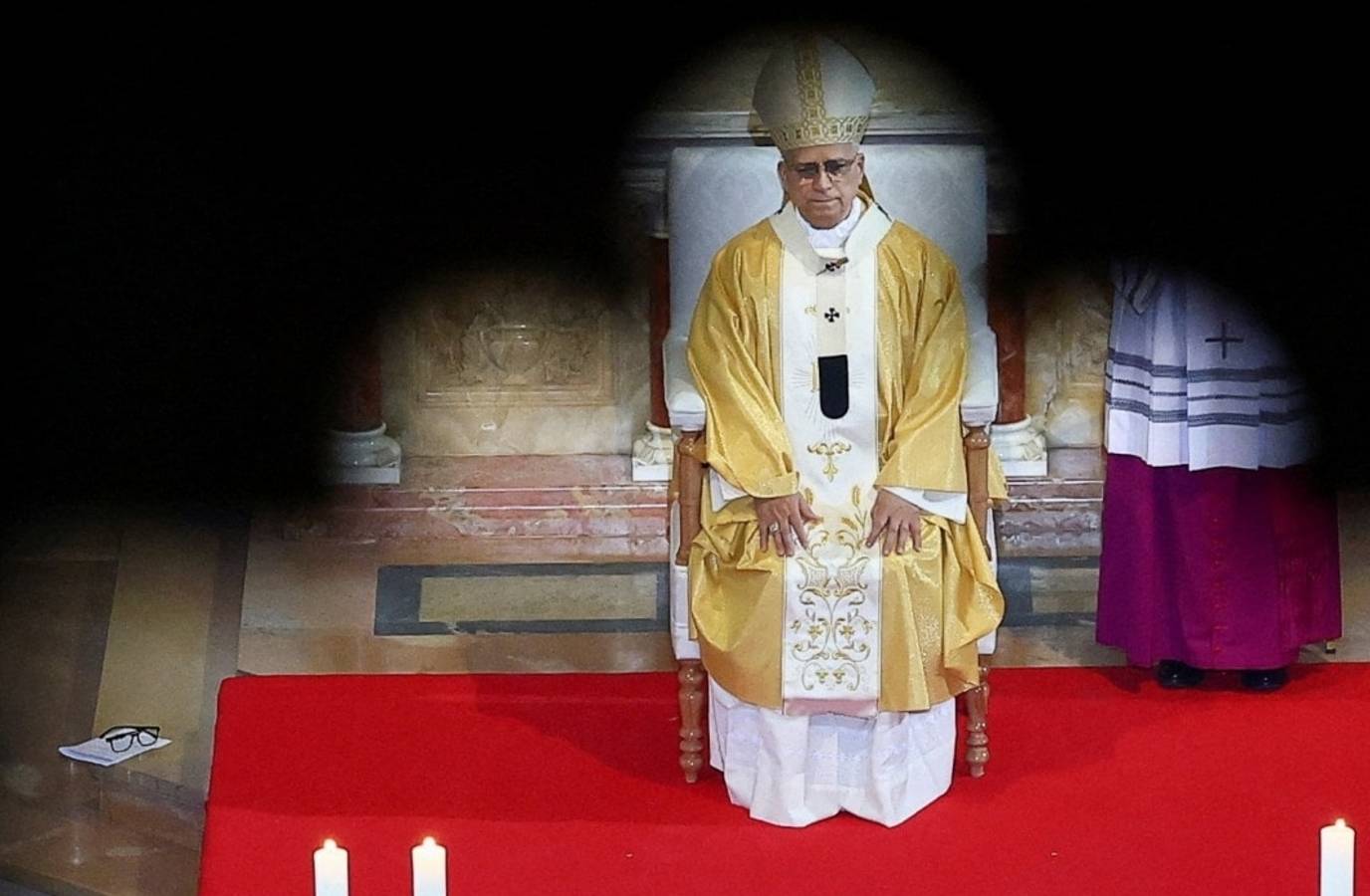
Pope Leo XIV, the mild-mannered pontiff from Chicago, is facing the biggest test of his papacy in a fight with President Trump over the Iran war.
Like Pope Pius VII, who ultimately outlasted Napoleon, Pope Leo XIV is proving a challenging opponent for the president.
So far, it is Trump—and not Leo—who has taken criticism from Roman Catholics in the U.S. and elsewhere over their public spat.
Trump accused Leo of catering to the left and posted an AI-generated image on Truth Social showing himself with Christ-like robes and healing powers, which offended the U.S. religious right.
He later deleted the post.
Meanwhile, Leo has said he isn’t afraid of Trump and will continue to speak out against the war in Iran.
One of Trump’s challenges in dealing with Leo is that the pope isn’t a solo act like his predecessor Pope Francis, making it harder to dismiss or isolate the current pontiff.
Francis was known for firing off provocative sound bites, but he sometimes alienated groups within the church—including American bishops.
Leo, by contrast, has been building broad support within the global church for his course, which combines advocacy for peace and dialogue with a stronger emphasis on traditional Catholic doctrines.
The growing disorder in world politics is an opportunity for the Catholic Church to repair its standing as a moral authority, which has suffered in recent decades from the long-running scandals over clerical sexual abuse, say some observers of the Vatican.
For Leo, “this is just a huge blessing,” said Francesco Sisci, director of the Appia Institute, a Rome-based geopolitics think tank.
“It’s wonderful for the church, all over the world, that he is the guy who can stand up to Trump.”
Leo is also considerably more popular in the U.S. than Trump, enjoying a 34 percentage point net-positive rating among registered voters, compared with a 12 percentage point net-negative rating for the president, according to a survey for NBC News in March.