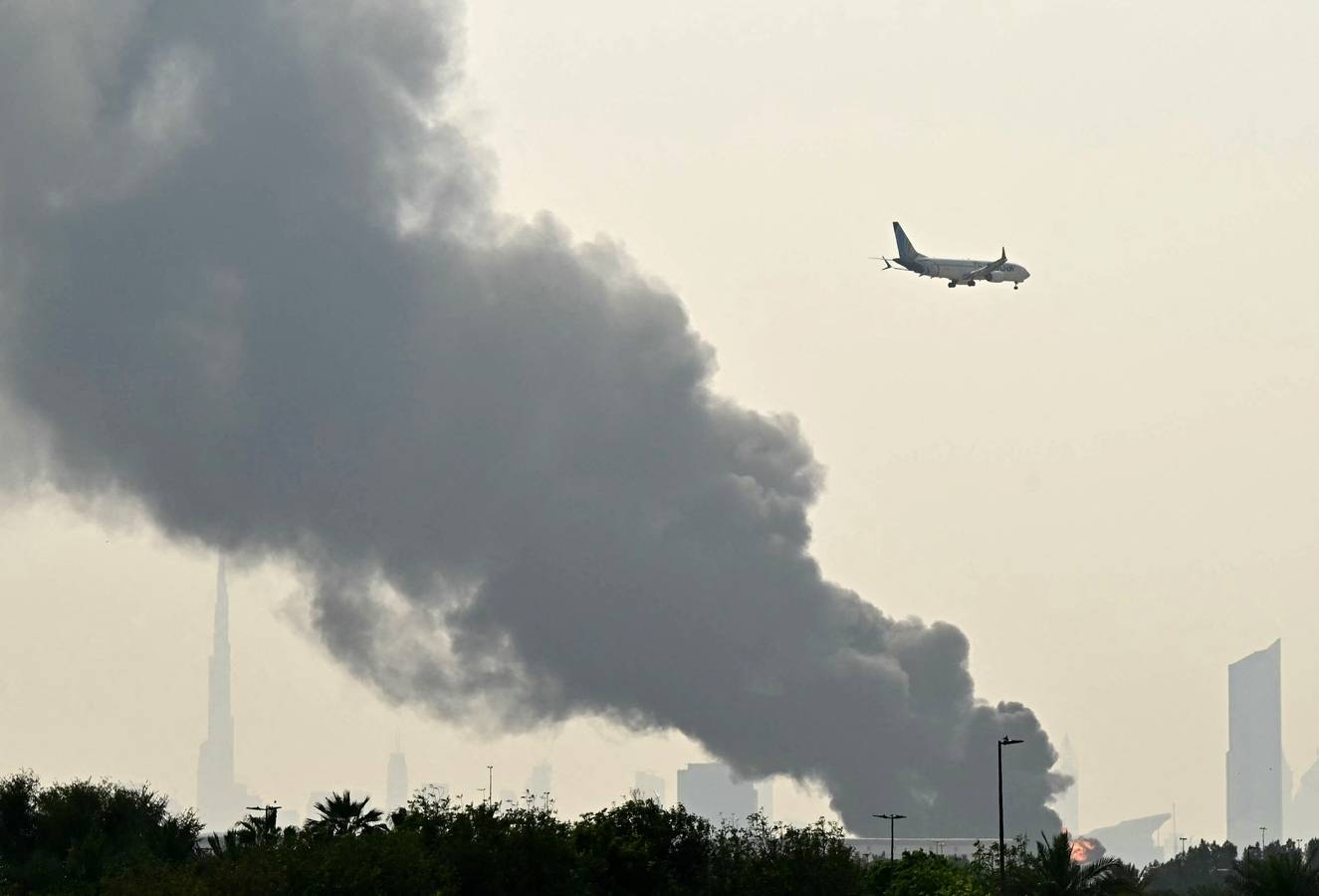
The Gulf Co-operation Council (GCC) sovereign-wealth funds, known for their global investments, are facing a significant challenge due to the ongoing war in the region. The funds, which have deployed over $430bn in capital since 2021, are expected to foot some of the bill for rebuilding destroyed oil and gas infrastructure, estimated to be worth $25bn. This comes as the region's economies slow down due to disruptions in energy exports.
The funds, which oversee over $5trn of assets globally, have invested heavily in illiquid private assets, such as AI startups and data centers, making it difficult to liquidate these investments in a pinch. Some of these investments are also tied to foreign-policy goals, such as ensuring food security and critical minerals.
The war has already had a significant impact on the region's economy, with diminished airline traffic, plummeting residential sales and leasing activity, and decreased dividends from local businesses. The funds' exposure to national ambitions to move GCC economies beyond petroleum is also being disrupted, with some projects already on shaky ground.
While the funds do not appear to be rushing for the exits, their attention may turn from risky bets on the future to duller assets generating cash here and now. At home, more of their money will go to rebuilding the old economy rather than erecting a new one.