Bangalore's Winter Obsession: The Unlikely Rise of Hyacinth Bean Delights
he humble hyacinth bean, variously described as Lablab purpureus or Dolichos lablab, arrives in our streets in December and stays till February.  | India News
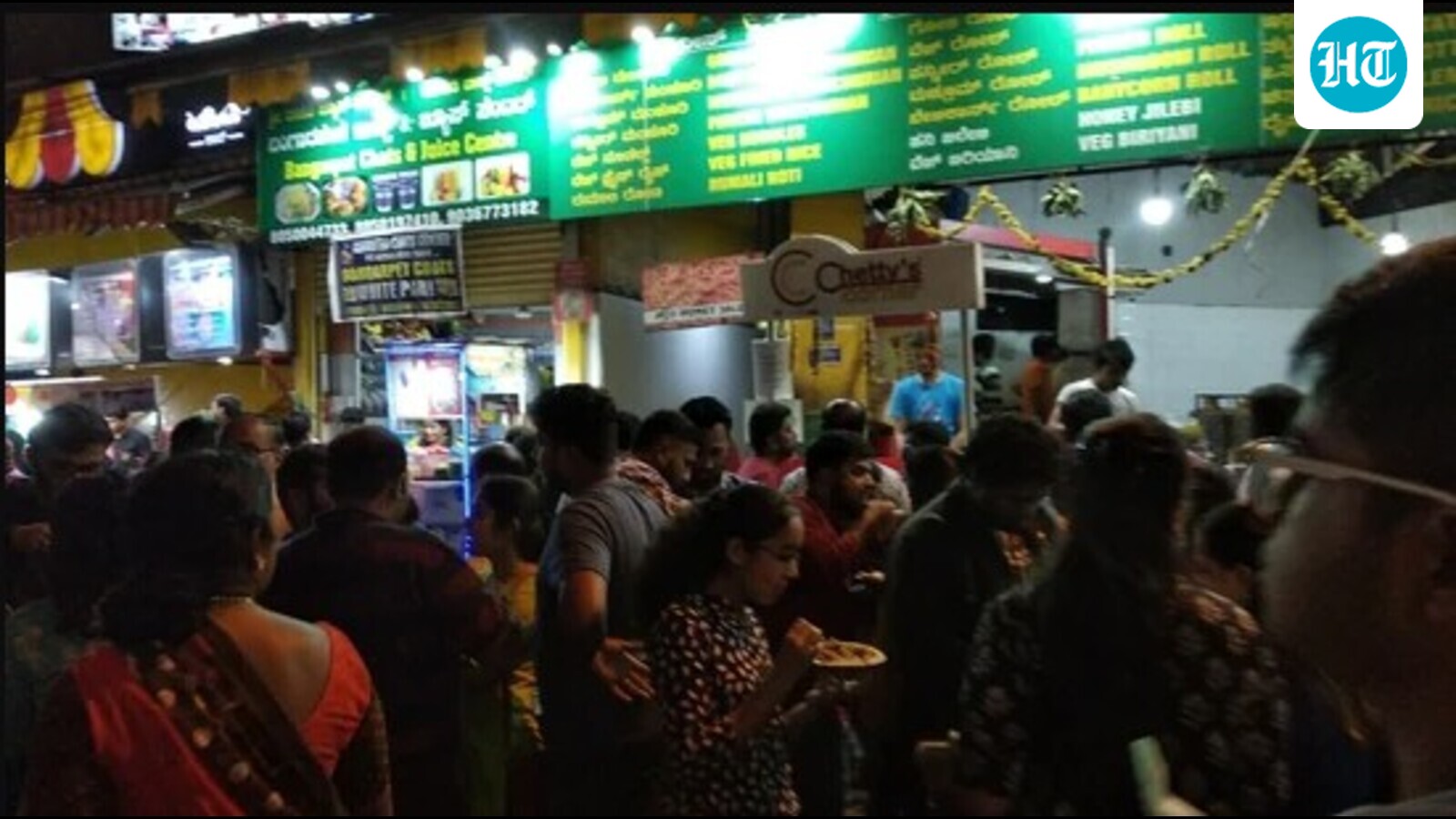
As winter descends upon Bangalore, the city comes alive with the arrival of a humble legume - the hyacinth bean, also known as Lablab purpureus or Dolichos lablab. This nutritious bean, rich in protein, has been a staple in the Old Mysore region for centuries, valued for its hardiness and versatility. However, its cultural and culinary elevation is most pronounced in Bangalore, where it's celebrated with a fervor that's unmatched elsewhere.
The Avarebele Mela, a festival dedicated to the hyacinth bean, is a testament to the city's love affair with this legume. The event, which typically takes place in January, has grown from a small gathering to a city-wide phenomenon, attracting over 15,000 visitors daily. The festival showcases a variety of dishes made from the hyacinth bean, from traditional Avarekalu Saaru to innovative creations like Avarekalu Jalebi and Avarekalu ice cream.
The process of preparing the hyacinth bean is labor-intensive, involving the painstaking removal of its skin by hand. This tedious process is a nostalgic reminder of the city's cultural heritage, where grandmothers and aunts would gather to peel and prepare the beans as a form of social, meditative work.
The hyacinth bean's seasonality is a refreshing respite from the globalized food landscape, where exotic fruits and vegetables are available year-round. In a world where instant gratification is the norm, the avarebele's stubborn seasonality forces us to slow down and appreciate the local, the seasonal, and the regional. Eating the avarebele in all its forms is a comforting ritual that connects old and new Bangaloreans, a testament to the city's rich cultural heritage and its love for this humble legume.
As Shoba Narayan, a Bengaluru-based author, puts it, 'Eating the avarebele in all its forms is a comforting ritual that connects the old Bangaloreans and the new migrants. It is local, seasonal, regional, and rooted to the land. What more can a city, or for that matter, a legume, ask for?'