Battle for Bengal's Ballot: As Voter Rolls Shrink, Tensions Rise
Draft rolls published last month shed 5.82 million names, the deletion percentage of 7.6% being the lowest among states that go to the polls this summer | India News
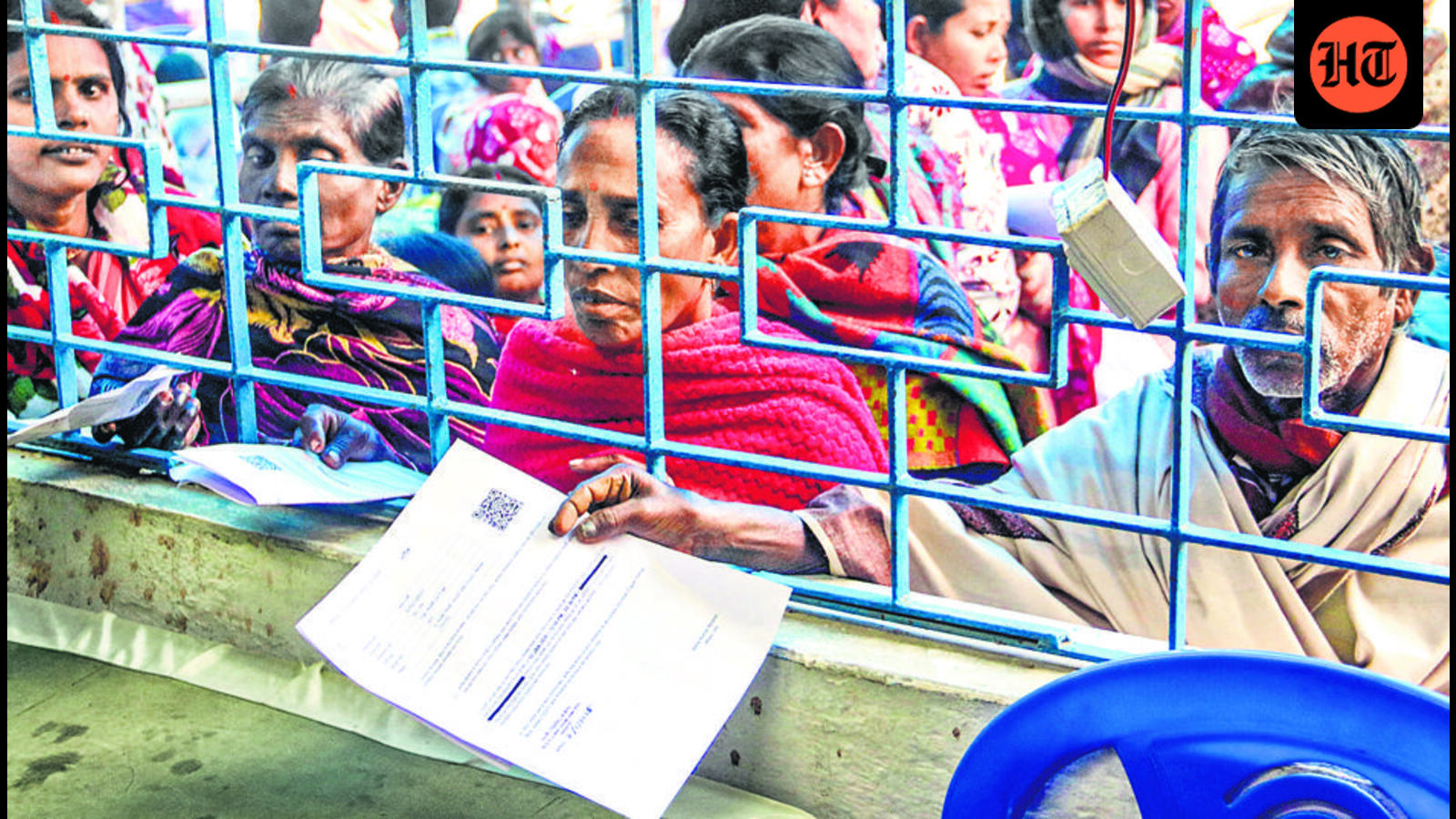
In Bengal, the contentious exercise to update voter rolls has sparked anxiety and insecurity, particularly in rural areas. The Special Intensive Revision (SIR) of voter rolls has led to the deletion of over 5.8 million names, with the deletion percentage being the lowest among states that will go to the polls this summer.
For many residents, especially those in low-income migrant homes, the process has been challenging. Bharat Mahato, a rickshaw puller, was unable to update his information due to his busy schedule, while Shobedhon Bibi, a 50-something woman from a village near the Bangladesh border, received her form but faced issues with the spelling of her name.
The experiences of Mahato and Bibi mark the two extremities of the SIR process, which has been marred by controversy and allegations of infiltration. The ruling Trinamool Congress (TMC) has been opposed to SIR, while the opposition Bharatiya Janata Party (BJP) has named infiltration as a key poll plank.
In rural areas, the TMC has set up structures to protect its voter base, resulting in relatively low deletions. However, people with structural impairments, such as climate refugees or economic migrants, face a greater risk of their name not making it to the final roll.
The BJP has pointed to the high deletions in certain districts, including Kolkata, to argue that the TMC relies on fake voters. However, the TMC has blamed the Election Commission of India (ECI) for mismanagement and the short timeframe for deletions.
The controversy has sparked concerns among residents, with many feeling anxious about their chances of being deleted from the rolls. The ECI has admitted to some problems with the process, including incomplete conversion of PDF data to CSV format, which has led to discrepancies in the rolls.
In the Matua community, which has become a key voter base for the BJP, the SIR process has sparked concerns about the verification of documents and the categorization of voters. The community leaders have devised workarounds to help residents fill out forms and procure documents, but the process has been slow.
In Jalangi, a remote hamlet on the India-Bangladesh border, the percentage of deletions is the lowest in the state, at 3.3%. However, the TMC has set up centers to help residents fill out forms and procure documents, which has led to controversy.
As the SIR process continues, tensions are rising between the TMC and the ECI, with the former demanding the presence of BLAs in hearings and the latter insisting on physical hearings. The controversy has sparked concerns among residents, with many feeling anxious about their chances of being deleted from the rolls.