Behind the Glass: Unveiling the Fascinating Legacy of Van Ingen & Van Ingen
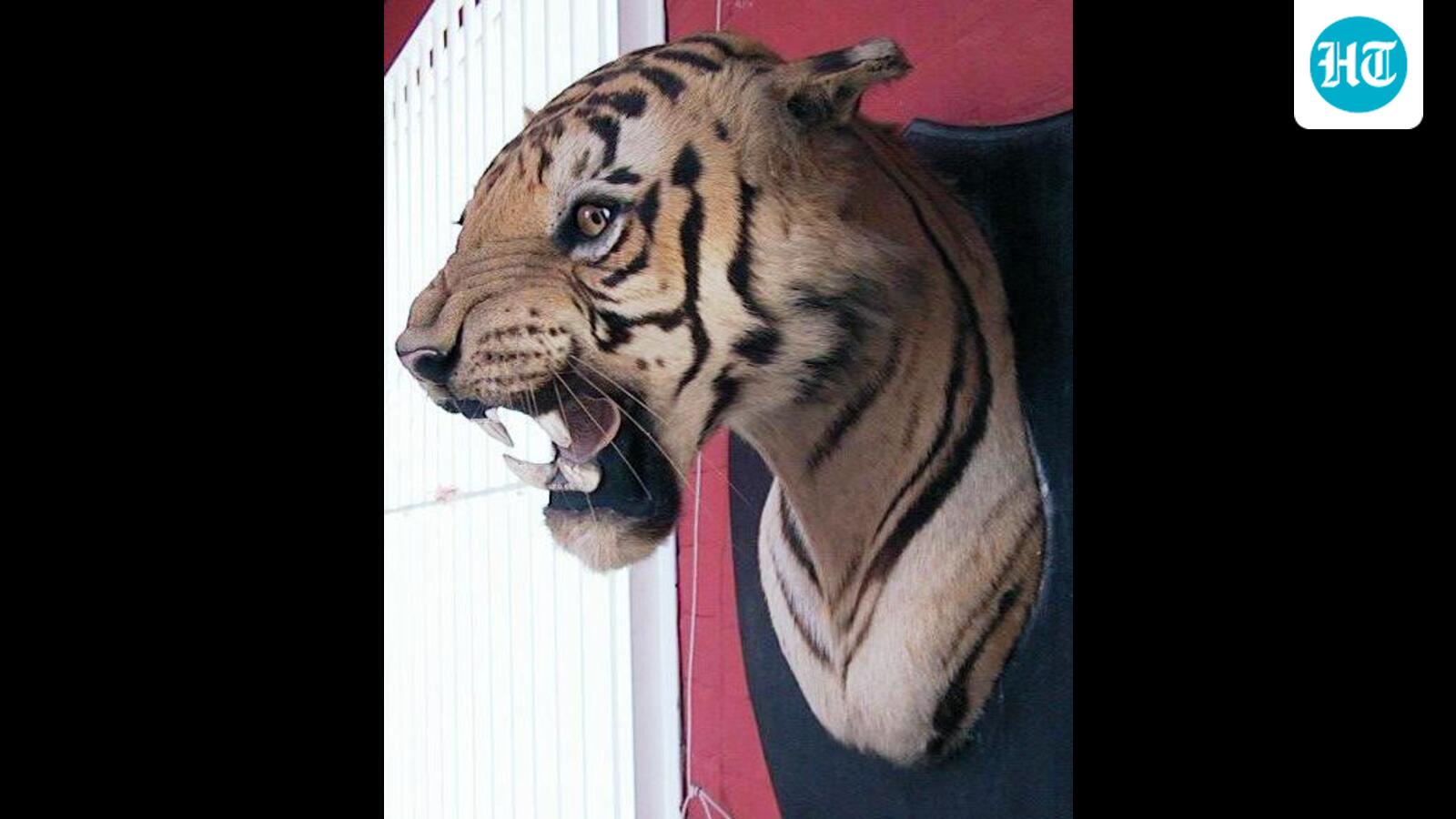
Image Source: Internet
Deep within the Mysuru palace lies a treasure trove of secrets, hidden from the prying eyes of visitors. Two exclusive rooms, previously inaccessible, now reveal the stunning artistry of the Van Ingens, a family that dominated the world of taxidermy for over a century. The first room showcases an impressive collection of historic weaponry, including razor-sharp chakras and swords once wielded by Hyder Ali and Tipu Sultan. In contrast, the second room is a surreal menagerie of lifelike animals, crafted by the Van Ingens' skilled hands. From tigers and leopards to elephants and giant gaur, each specimen is a testament to the family's expertise in taxidermy. This unique collection is a result of their work with Indian nobility, processing and mounting over 43,000 'trophies' between 1900 and 1998. The Van Ingens' story is a fascinating tale of adaptation and resilience. Born in Galle, Sri Lanka, in the early 19th century, the family's Dutch-sounding surname belies their Indian heritage. Eugene Van Ingen, Joubert's father, was born in 1865, a time when the British were consolidating their rule in India. As a taxidermist, Eugene worked under the Theobald brothers in Mysore, capitalizing on the demand for wildlife trophies during the Raj. Under the patronage of Nalvadi Krishnaraja Wadiyar, the Mysore province introduced conservation laws, a rare instance of environmental awareness during British rule. Despite this, the demand for wildlife trophies continued, and Van Ingen & Van Ingen thrived, servicing the needs of Indian nobility. Joubert, the youngest of Eugene's children, served in WWII before returning to Mysore to helm the family business. As the years passed, hunting lost its appeal, and the Wildlife (Protection) Act of 1972 outlawed the practice altogether. Van Ingen & Van Ingen adapted, focusing on maintaining existing trophies and servicing private collections. Today, the Van Ingens' legacy lives on in the hundreds of trophies found in museums and private collections worldwide. Their meticulous records have also contributed significantly to our understanding of wildlife, providing critical evidence about the Asiatic cheetah's decline and informing debates about its reintroduction in 2022. The Van Ingens' story is a poignant reminder of the complexities of human interaction with the natural world.