Bihar Elections 2025: Lalu Prasad Yadav's Lasting Legacy Continues to Shape Bihar Politics
As Bihar approaches the 2025 elections, Lalu's legacy endures, with his son Tejashwi leading the RJD. | India News
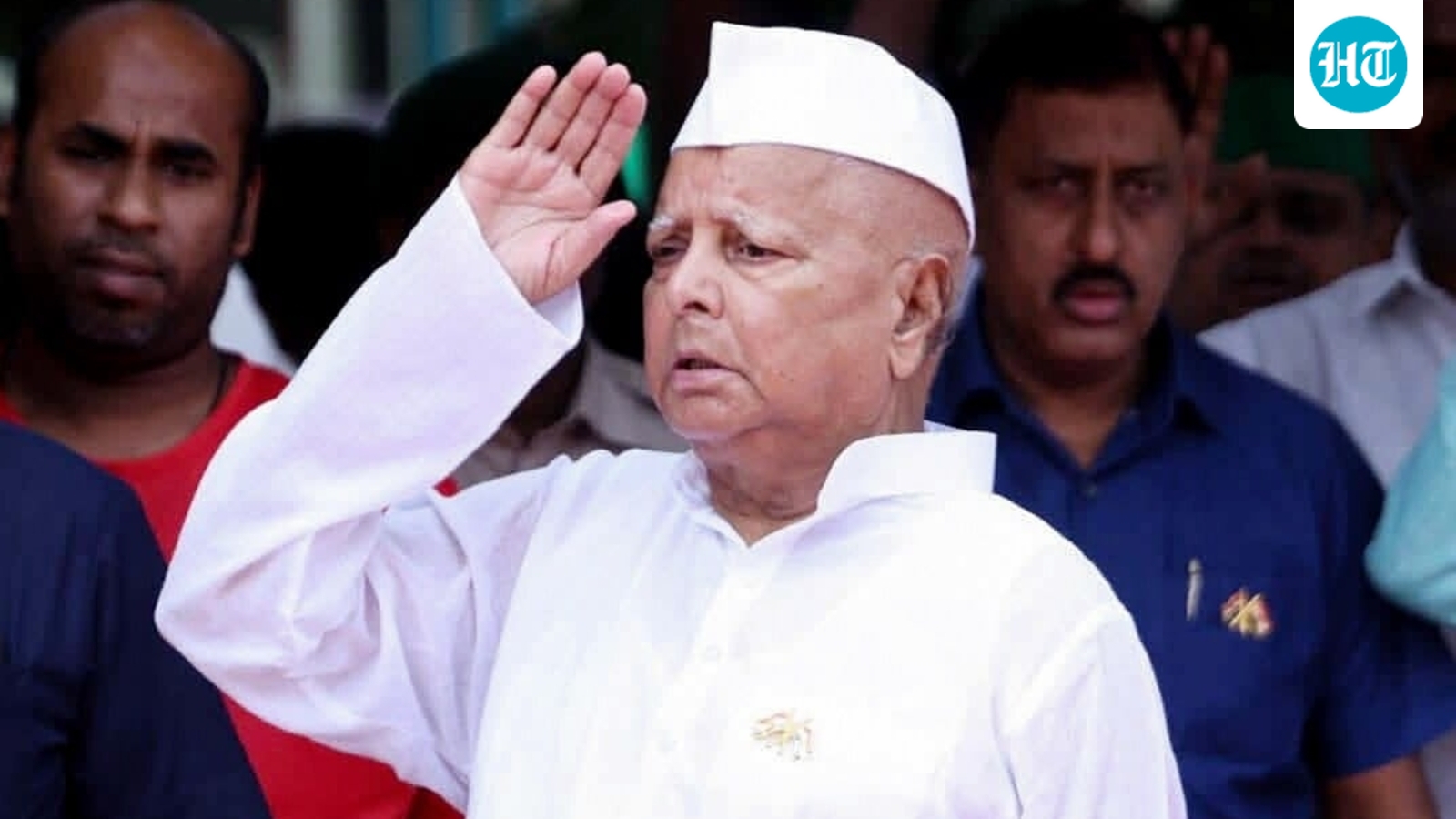
Lalu Prasad Yadav, the former Bihar Chief Minister and founder of the Rashtriya Janata Dal (RJD), remains an influential figure in Bihar politics despite no longer being in the electoral fray. As the state watches the results of the 2025 assembly election, his legacy continues to loom large.
Born in 1948 in Phulwaria village, Lalu rose from humble beginnings to become one of India's most prominent mass leaders. His career took off after the 1970s Jayaprakash Narayan Movement, which shaped the careers of several North Indian leaders. Lalu entered Parliament in 1977 and became Bihar's Chief Minister in 1990, riding the wave of Mandal politics that empowered backward castes.
During his tenure, Lalu was both celebrated and criticized. His critics accused him of corruption and lawlessness, but he remained a folk hero to millions of backward caste and minority voters who saw him as a symbol of dignity and representation. His iconic slogan 'Bihar mein Lalu raj nahi, garibon ka raj hai' captured the essence of his rule.
However, Lalu's political journey took a dramatic turn with the fodder scam. He stepped down as CM in 1997 but ensured his wife Rabri Devi took charge, maintaining his grip on power. His eventual conviction barred him from contesting elections, but he continued to influence Bihar's politics, even from prison.
In 2015, Lalu joined hands with Nitish Kumar and the Congress, forming the Mahagathbandhan, which defeated the BJP-led NDA. The alliance later collapsed, but it reaffirmed Lalu's reputation as a master strategist. In the 2020 assembly election, the RJD, led by Tejashwi Yadav, emerged as the single-largest party, proving that Lalu's political appeal still endures across generations.
In the 2025 Bihar election, Lalu's legacy continued to shape the politics of assertion, representing the voice of the marginalized. Whether admired or criticized, his imprint on Bihar's political story is unmistakable, that of a man who reshaped the state's power structure and redefined Indian politics in his own rustic, defiant style.