
Bihar Landslide: 12 Key Factors Behind NDA's Historic Victory
Bihar election results: 2025 is another proof that Bihar is a contest between the Muslim-Yadav and the ‘coalition of extremes’, and the latter is far ahead | India News
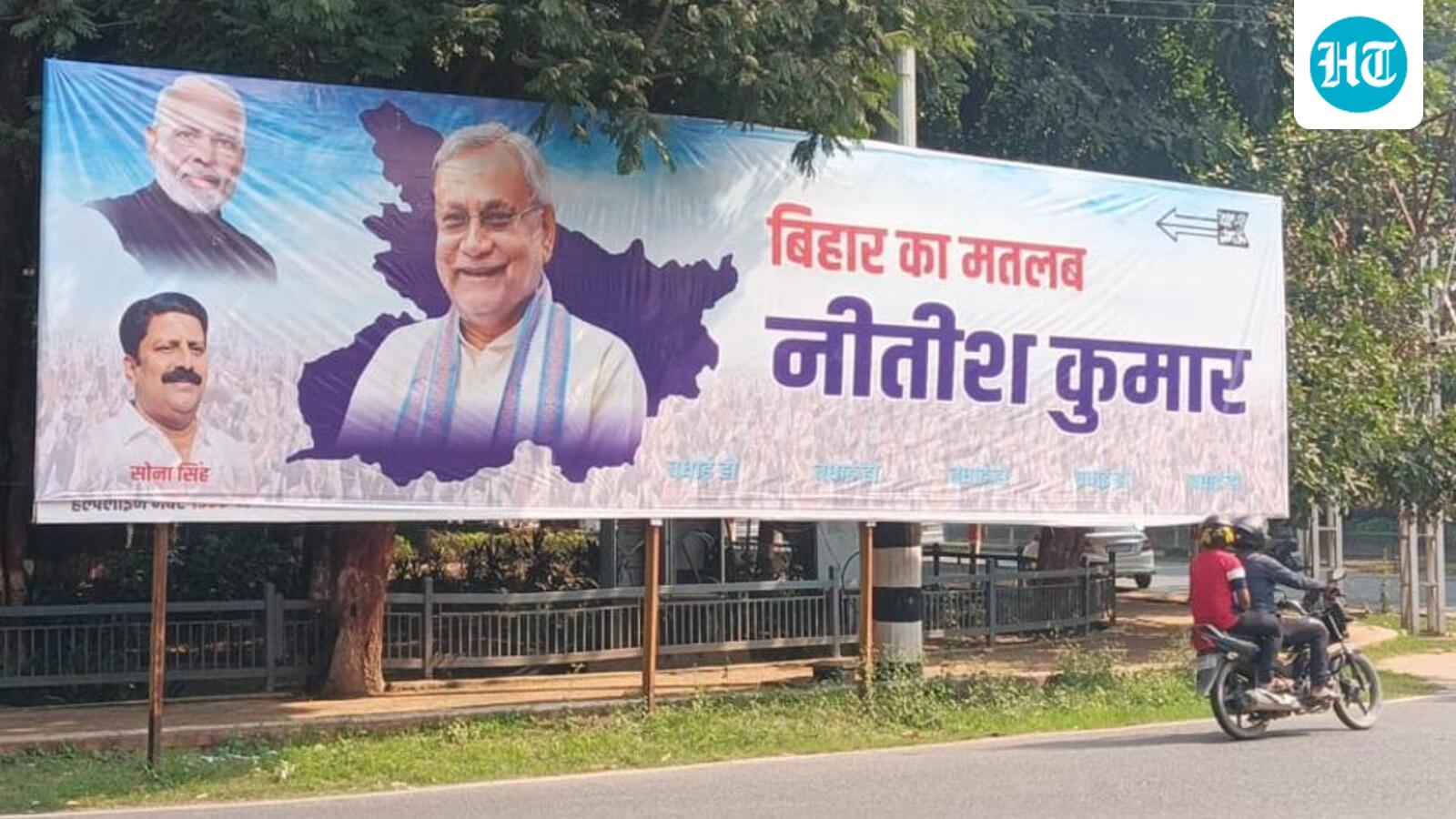
In a stunning turn of events, the National Democratic Alliance (NDA) has secured a landslide victory in the Bihar assembly elections, with a record-high vote share of 47.6%. As the results indicate, the NDA's success can be attributed to several key factors.
One of the primary reasons behind the NDA's triumph is the unwavering alliance between Nitish Kumar's Janata Dal (United) and the Bharatiya Janata Party (BJP). This partnership has never lost an election since they first won Bihar in 2005, making it an unprecedented feat in the state's electoral history.
The 'coalition of extremes' between lower Other Backward Classes (OBCs) and upper castes has proven to be a game-changer in Bihar's politics. This alliance emerged as a response to Lalu Yadav's Muslim-Yadav or MY politics, which exploited the first-past-the-post system to win elections in the pre-2005 era.
The NDA's strategy of providing populist doles, such as ₹10,000 cash transfers to women and 125 free units of power, has been instrumental in securing the alliance's victory. However, this approach has raised concerns about the state's fiscal math and the long-term sustainability of such measures.
The opposition, comprising the RJD and the Congress, failed to mount a effective challenge against Nitish Kumar's NDA. They were distracted by the Special Intensive Revision (SIR) exercise by the Election Commission of India, which did not bring any significant changes to the state's electoral roll. Furthermore, their narrative focused on the BJP's supposed unfair treatment of Nitish Kumar, generating sympathy rather than anger towards the NDA leader.
The dissonance in the campaign rhetoric of the RJD and the Congress's top leadership also contributed to the opposition's downfall. While the RJD emphasized Tejashwi Yadav as the chief minister designate, the Congress focused on a larger ideological critique of the BJP, without considering the organic realities of Bihar's politics.
The NDA's victory marks a significant shift in the state's politics, with the BJP now holding greater sway and hegemony. While Nitish Kumar is expected to take oath as chief minister again, the BJP will likely seek to usurp control in the government and Nitish Kumar's legacy.
The elections have also highlighted the disconnect between Bihar's development and its demography. The state has seen significant improvements in its physical infrastructure, but this progress has not trickled down to the poorest and youngest population, who continue to leave the state to earn a living.
Ultimately, the Bihar elections demonstrate the dynamic nature of democracy, where alliances and coalitions can shift and evolve over time. The NDA's success is a testament to the democratic dialectics at play in the state, where Nitish Kumar's victory has been built on the back of Lalu Yadav's political destruction of toxic upper caste dominance.