BJP's BMC Win: A Shift in Mumbai's Power Dynamics, and the 'Iffs' That Could Have Changed the Outcome
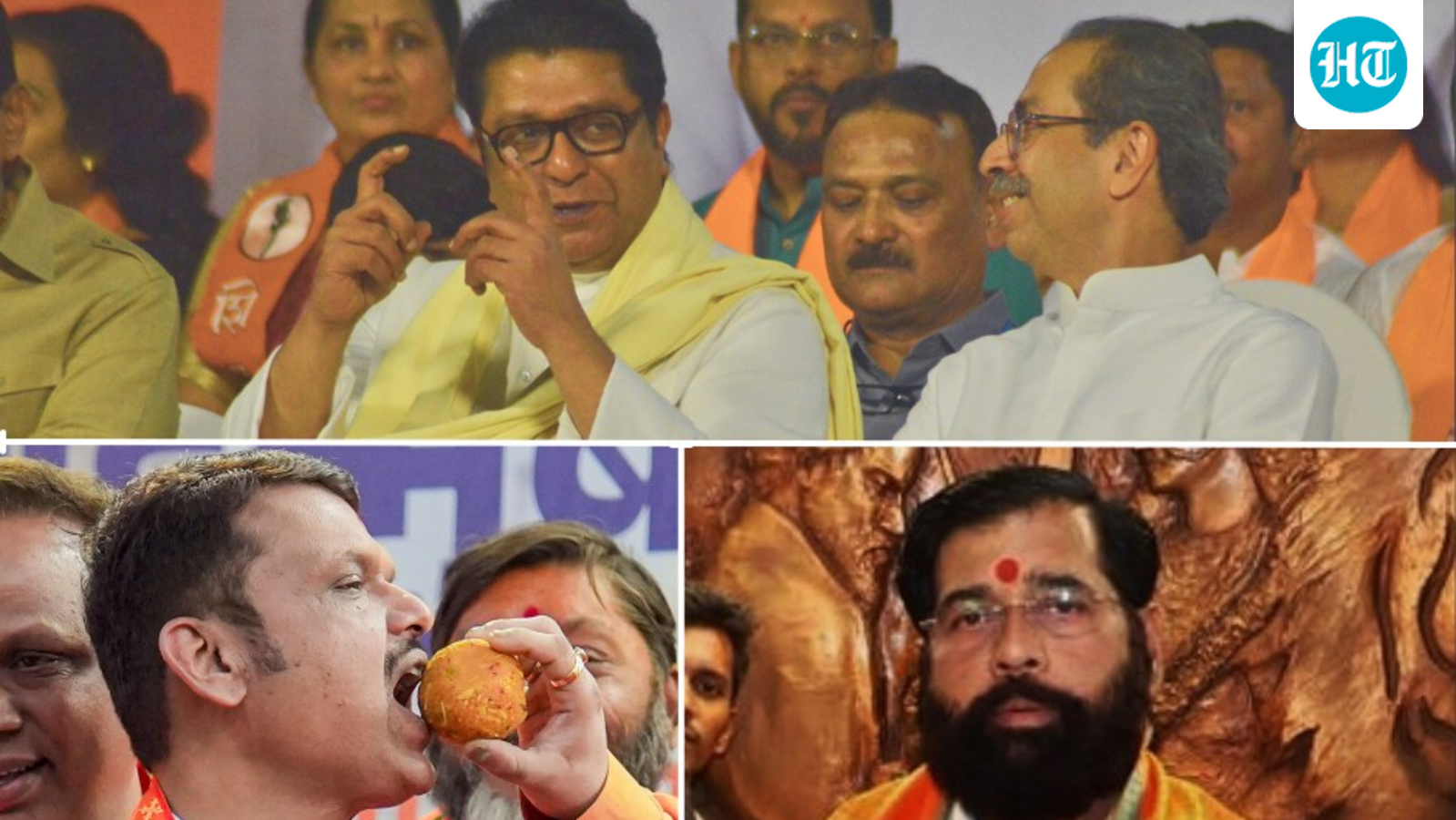
Image Source: Internet
The BJP's victory in the Brihanmumbai Municipal Corporation (BMC) has marked a significant shift in Mumbai's political landscape, ending the 25-year Thackeray hegemony. The ruling party at the state and central levels is now the single-largest party in India's richest municipal body, with 89 seats. However, behind these numbers lies a complex web of 'ifs' and political theories. One of the most striking questions emerging from the BMC results is: what if Shiv Sena was undivided? Data suggests that if the party remained a single entity, they could have surpassed the BJP's tally of 89 seats, potentially leading to a different outcome. Uddhav Thackeray's Shiv Sena (UBT) won 65 seats, while Eknath Shinde's Shiv Sena secured 29. If combined, their total would have been 94, potentially giving them a majority with the support of the Congress. The possibility of defections also raises interesting questions. Uddhav Thackeray cryptically hinted that his party could still have its mayor in Mumbai, while Eknath Shinde's Sena has moved its corporators to a hotel, a usual move when fearing switchovers. The math suggests that the BJP and Eknath Shinde's Sena together have 118 seats, while Uddhav's and Raj's Senas have 71, plus the support of the Congress and other anti-BJP forces. The late Bal Thackeray's son Uddhav and nephew Raj's reunion two decades after their succession war was a key aspect of the Sena (UBT) campaign. However, analysts suggest that this alliance was a strategic miscalculation, as Raj's Maharashtra Navnirman Sena (MNS) failed to grow, stagnating at its 2017 tally of seven corporators. The results have been a structural and financial blow to the Thackeray legacy, but Uddhav Thackeray has emerged as the de facto Opposition leader in Mumbai. Analysts suggest that he may bounce back if he reworks his strategy and adopts a more inclusive approach beyond his core Maharashtrian vote base. The possibility of a Sena reconciliation is also being discussed, with some arguing that a united Sena could still force the BJP into the opposition. However, personal friction and ideological differences between Uddhav and Shinde make this prospect difficult. The BJP's win has also raised the profile of CM Devendra Fadnavis, who is seen as the architect of the 'saffron surge'. His strategy, which began six years ago, focused on making the BJP self-reliant after Uddhav went with the Congress and NCP to become CM in 2019. Fadnavis's role in engineering the weakening of the Shiv Sena through the Shinde split in 2022 has also been highlighted.