Budget 2026: What's Behind the Secrecy of India's Halwa Ceremony? A Tradition of Trust and Transparency
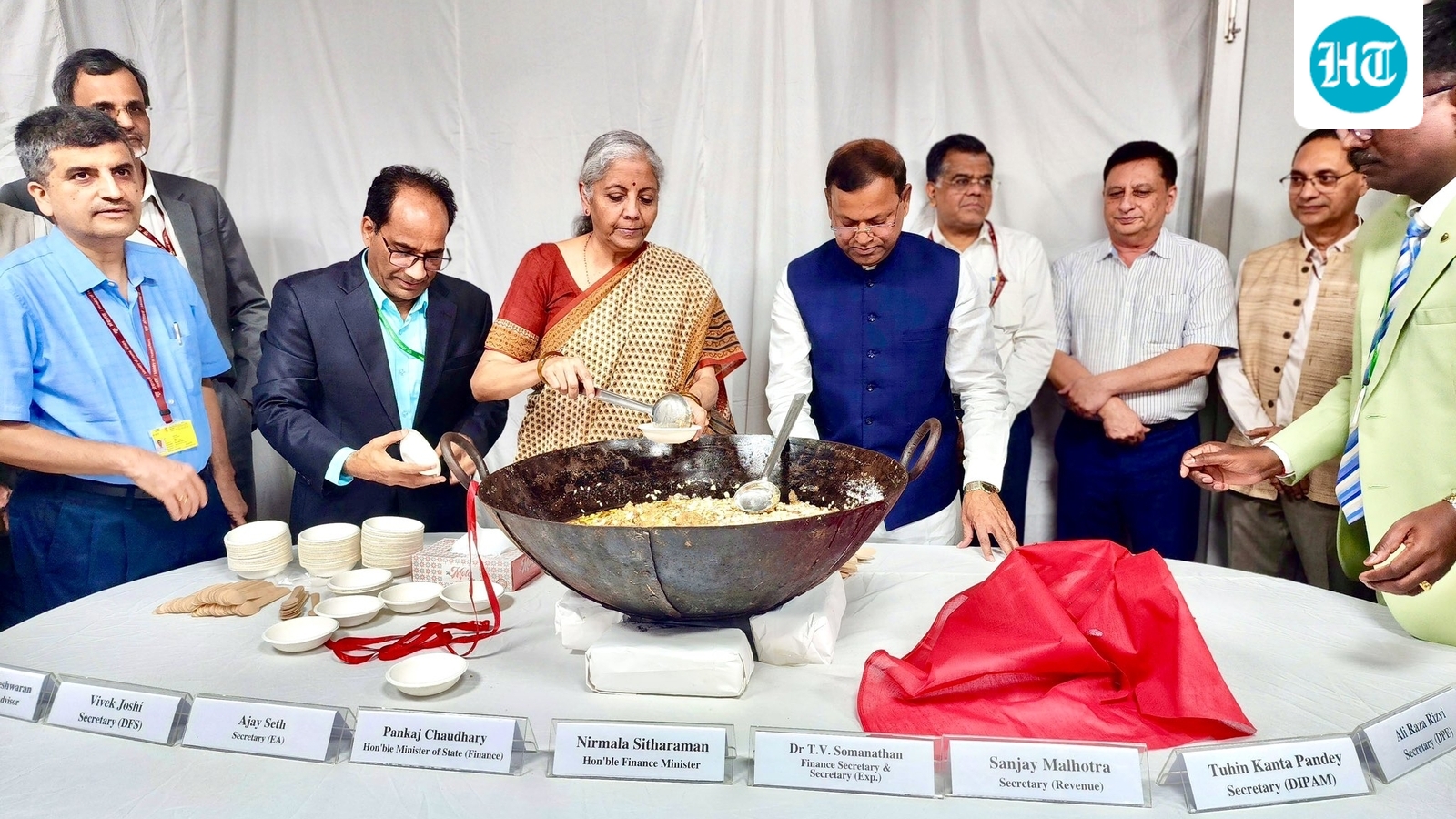
Image Source: Internet
As India gears up for the Union Budget 2026, a peculiar yet significant ritual is set to take place behind the closed doors of the Finance Ministry. The Halwa Ceremony, a time-honored tradition, marks the final stage of Budget preparation ahead of its presentation in Parliament on February 1. This year, the ceremony is scheduled to take place next week, paving the way for the Budget's announcement at 11 am on February 1. The Halwa Ceremony is an annual affair, where Finance Minister Nirmala Sitharaman will present the Union Budget 2026-27 in the Lok Sabha. The event involves cooking the traditional Indian sweet dish, Halwa, in a large vessel at the North Block, followed by its distribution among ministry officials and staff involved in the Budget's preparation. Held in the Finance Ministry's basement at North Block in central Delhi, the ceremony signifies the start of the Budget printing process, which has been taking place here since 1980. The event also celebrates the tireless efforts of the team involved in crafting the Budget over several months. Following the ceremony, the ministry officials enter a designated 'lock-in' period, where they isolate themselves to prevent the leak of sensitive information related to the Budget. This phase is crucial in maintaining the confidentiality of the final Budget document. During the Lock-in phase, officials and staff involved with the Budget are not permitted to leave the ministry premises until the document is presented in Parliament. They cut off communication with their families and the outside world to ensure the secrecy of the Budget. As the Budget is tabled on February 1, the Halwa ceremony typically takes place in the last week of January. This year, it will be held ahead of Finance Minister Sitharaman's ninth straight Budget, which is expected to be presented against the backdrop of GDP growth expected at 7.4 per cent in the current financial year. The first phase of the Budget Session will commence on January 28 and end on February 13, followed by a recess and a subsequent second phase, Union Parliamentary Affairs Minister Kiren Rijiju announced on January 9.