
COP30 in Amazon: Uncovering Belem's Hidden Gems and Climate Concerns
Brazil invested over $1.2 billion in federal funds alone to ready the Amazonian city of Belem, with a population of 1.4 million, for over 50,000 delegates and visitors | India News
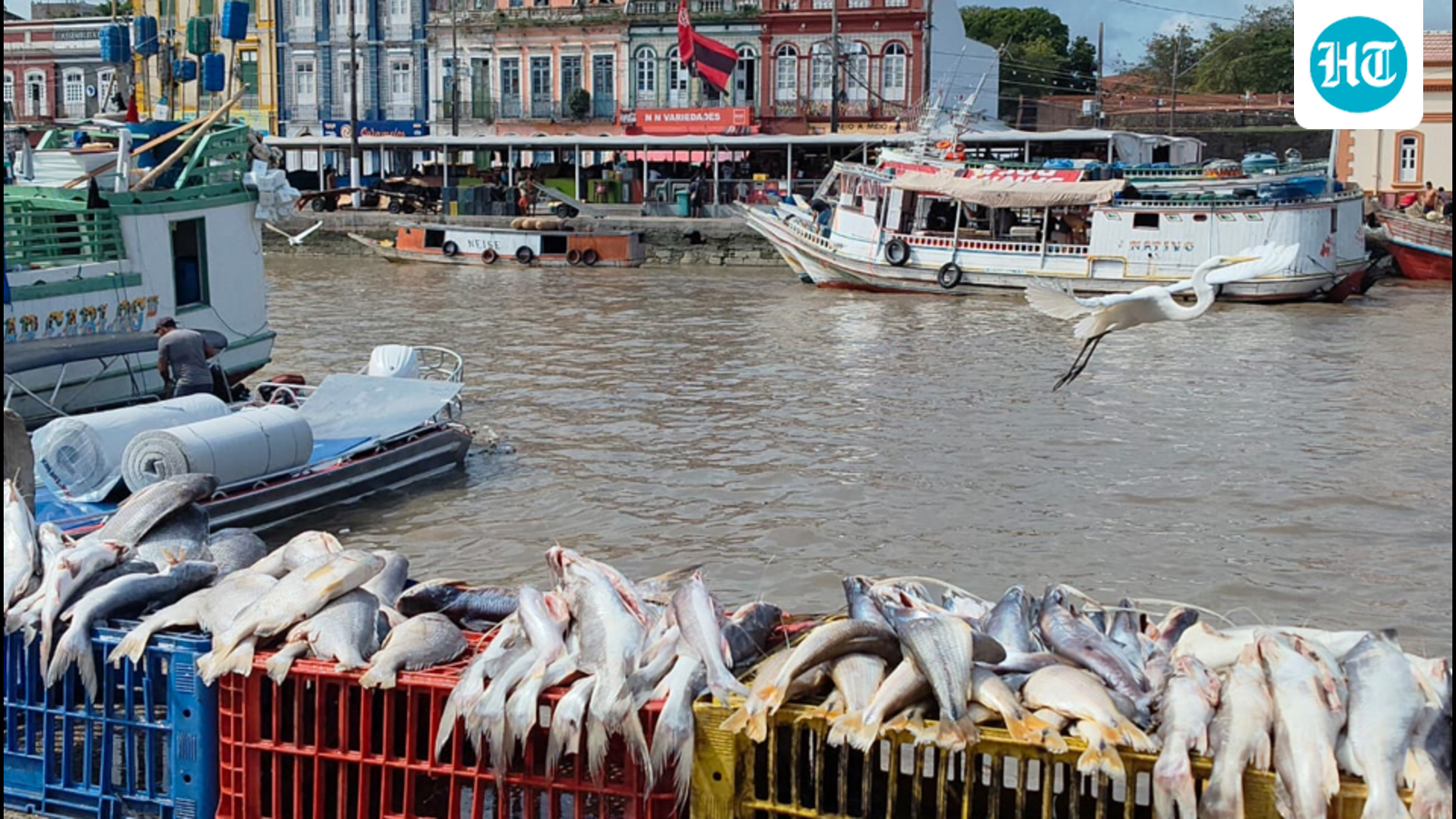
As I arrived in Belem, a bustling city in the Amazon, I was struck by its striking resemblance to various parts of India. From the urbanized districts with towering skyscrapers to the quaint towns with open drains and roadside eateries, Belem's diverse landscape reminded me of West Bengal, Kerala, Goa, and the northeastern states. The city's inhabitants, too, seemed to embody the same warmth and hospitality that I've experienced in India.
The Amazon, often associated with rainforests and rivers, is also home to thriving cities like Belem, which boasts a population of 1.4 million. Brazil invested a whopping $1.2 billion to prepare the city for the COP30 conference, hosting over 50,000 delegates and visitors. The administration's efforts paid off, as the city's residents took great pride in showcasing their city to the world.
However, beneath the surface, Belem is struggling with severe climate change impacts, land diversion, and deforestation. The city's indigenous communities are fighting for their rights over the forests and rivers, and their voices were heard loud and clear during the COP30 conference.
One of the highlights of my trip was the opportunity to engage with the locals, who were eager to share their culture and traditions with us. Despite language barriers, the people of Belem used Google translators to facilitate long conversations with visitors, showcasing their love for chatting and hospitality.
The city's cuisine is another fascinating aspect, with dishes like Manicoba, a plate of rice with cassava leaf broth and meat, and a variety of peppers that reminded me of the bhoot jolokia found in India's northeast. The daily evening showers, which were intense at times, only added to the city's charm.
As the COP30 conference came to a close, the city's residents were proud to have played host to the largest global event in the city's history. However, the conference also highlighted the pressing climate concerns facing the Amazon, and the need for urgent action to protect this precious ecosystem.