Delhi and Centre Unite to Combat Pollution with Stringent Measures
Delhi CM Rekha Gupta announced the formation of a high-powered expert committee to monitor, review and recommend measures to manage pollution in the Capital | India News
In a bid to tackle the persistent pollution crisis in the National Capital Region (NCR), the Centre and Delhi government have taken a slew of measures. The Union environment ministry has ordered over 2,000 industrial units to install real-time emission trackers and control systems by the end of the year. These units, identified as having 'high air pollution potential', will be equipped with calibrated Online Continuous Emission Monitoring Systems (OCEMS) and Air Pollution Control Devices (APCD).
Delhi Chief Minister Rekha Gupta announced the formation of a high-powered expert committee to continuously monitor and review pollution measures in the Capital. The committee, comprising senior officials and environmental experts, will be granted special powers to drive pollution-control initiatives with greater urgency and effectiveness.
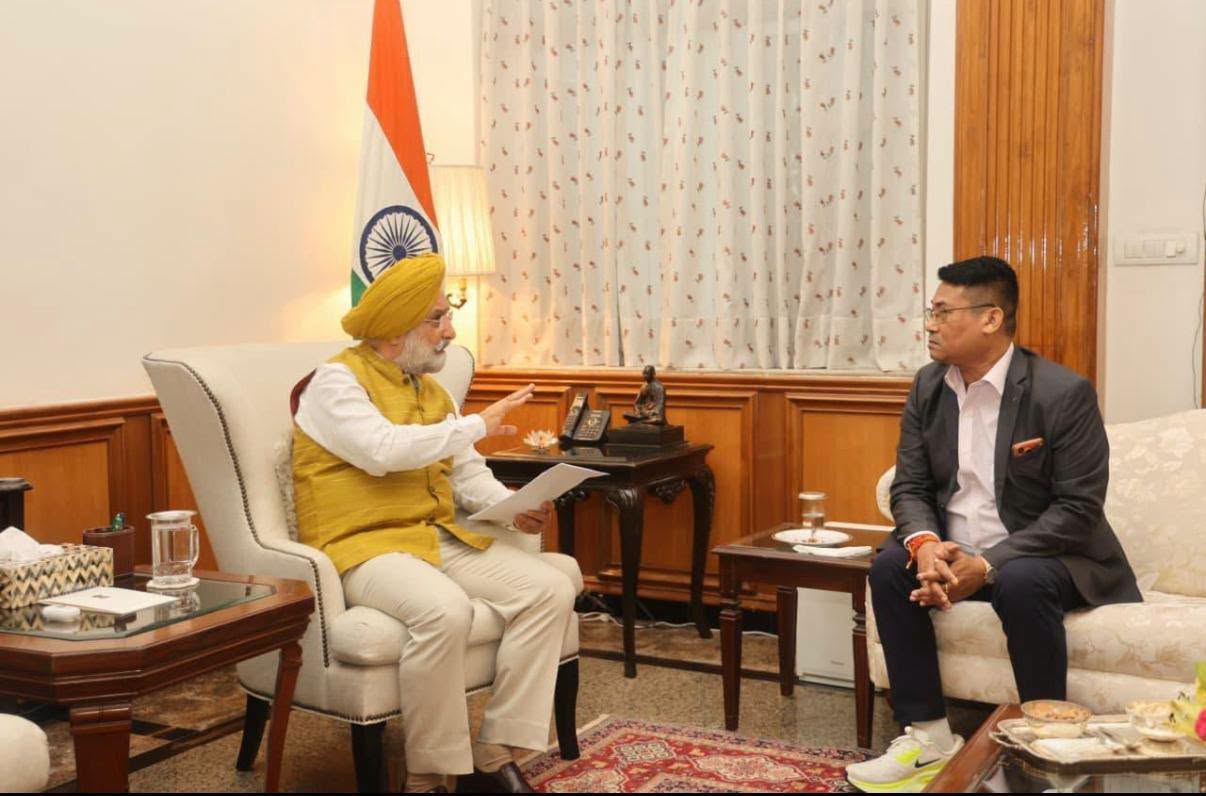
At a review meeting chaired by Union Environment Minister Bhupender Yadav, the Centre discussed measures to address traffic congestion at 61 hotspots and pave roads to reduce dust pollution. The meeting also emphasized the need for a holistic approach to tackle the issue.
As part of the measures, the Delhi Pollution Control Committee (DPCC) has asked around 128 units in Delhi to install OCEMS by December 31. The Centre has also directed NCR state governments to prepare annual plans for 2026 to control emissions at source.
The Commission for Air Quality Management (CAQM) will conduct on-ground review meetings to ensure the implementation of action plans. The Centre has warned that strict action, including closure, will be taken against industries that fail to meet the deadline for installing OCEMS and APCDs.
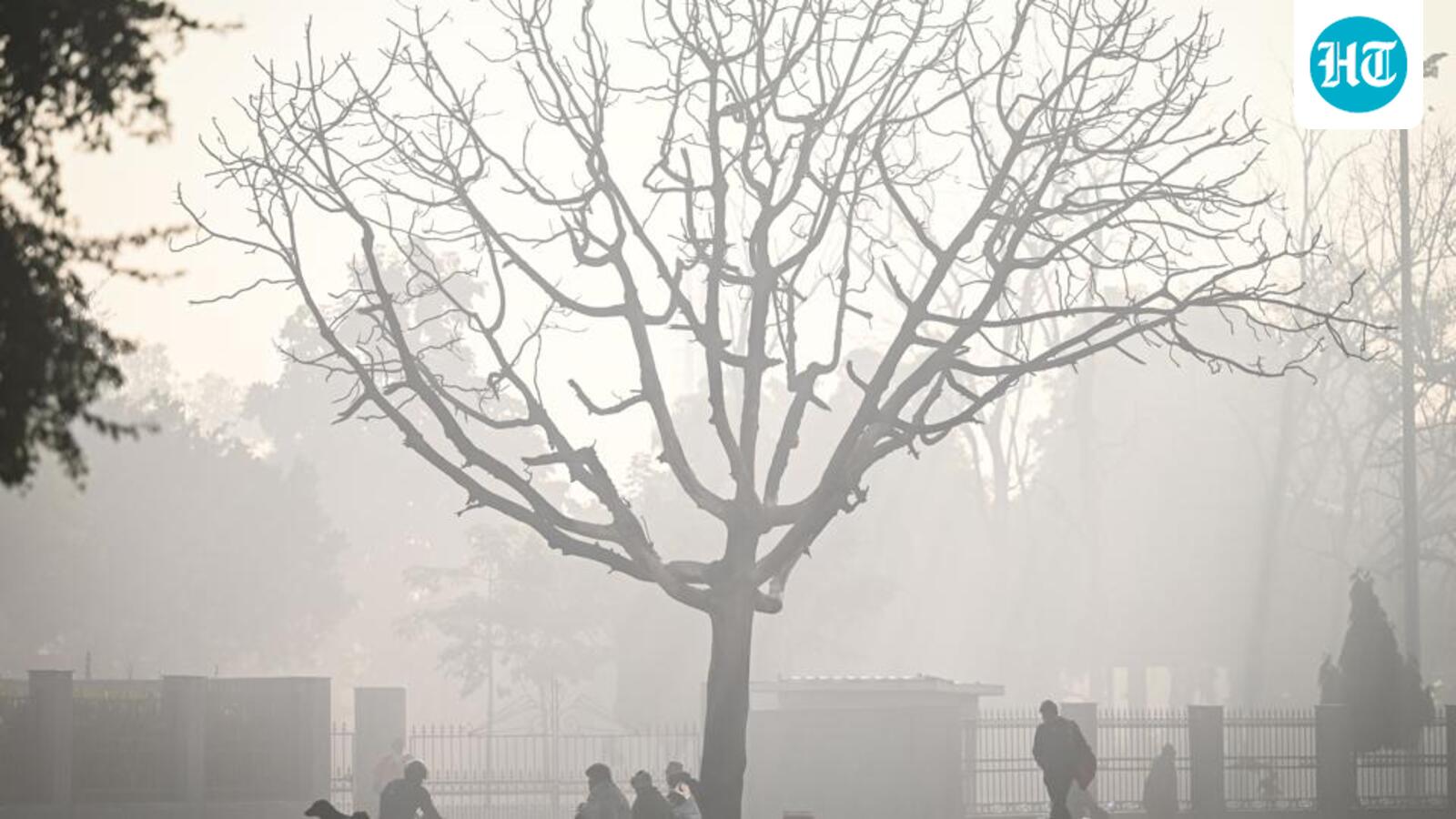
The measures come as Delhi grapples with hazardous winter air, with the city recording 24 straight days of 'very poor' or worse air quality between November 6 and 29. The Centre's efforts aim to bring down pollution levels and improve air quality in the NCR region.