
Delhi and Ghaziabad Brace for Toxic Air as Temperatures Plummet
Delhi AQI: Several areas remained in the ‘severe’ zone by 6 am on Monday, with AQI readings of 410 in Wazirpur, 419 in Bawana, and 414 in Jahangirpuri. | India News
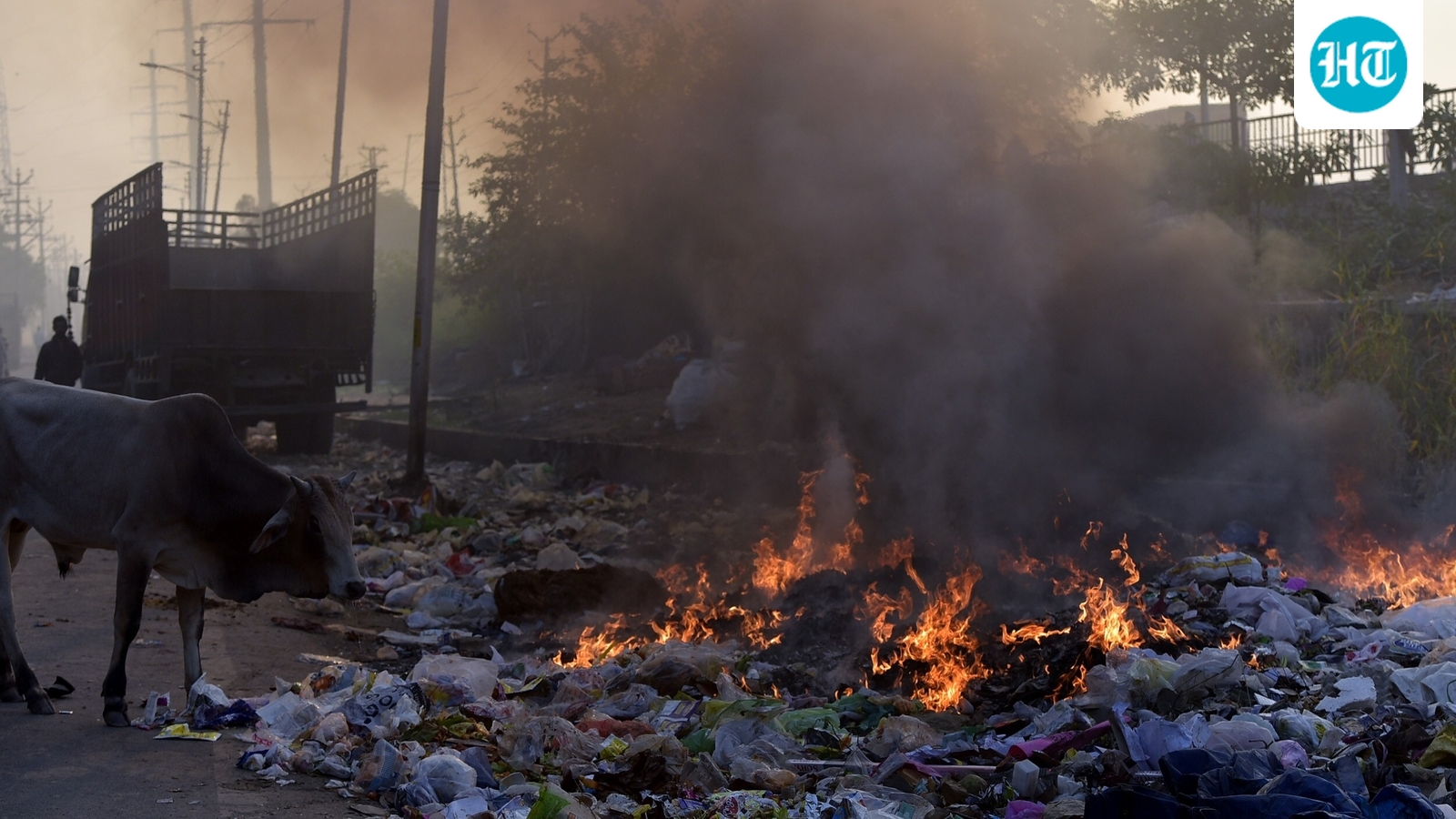
Delhi's air quality continued to deteriorate on Tuesday, with the city recording an overall Air Quality Index (AQI) of 341, categorizing it as 'very poor' for the fifth consecutive day. While this was a slight improvement from Monday's reading of 359, the city's residents are still breathing toxic air.
The national capital has been experiencing a winter chill, with the minimum temperature on Monday dropping to 8.7 degrees Celsius, four notches below the season's normal temperature. This is the lowest minimum temperature recorded in November since 2022.
Air quality in most parts of Delhi and its adjoining areas remains hazardous, with Wazirpur and Bawana recording AQI readings above 400, placing them in the 'severe' category. Forecasts indicate that the AQI in Delhi will continue to deteriorate and touch the 'severe' zone until Wednesday.
Ghaziabad, meanwhile, has become the most polluted city in the country, with an AQI of 401 on Monday. The city's air quality is expected to worsen in the coming days.
The Supreme Court recently rejected stringent pollution-control measures, including a year-round construction ban or limits on vehicular movement in Delhi-NCR. The court observed that the Capital cannot be brought to a standstill in the name of fighting toxic air, and that drastic measures may not be the solution to the problem.
Delhi's air quality is expected to remain in the 'very poor' category until November 20, according to the Early Warning System. The Graded Response Action Plan (GRAP) has been in effect in the National Capital Region (NCR) since November 11, with stage 3 measures in place to combat the deteriorating air quality.