Delhi Chokes: 'Severe' Smog Engulfs City as AQI Hits 450, GRAP-III Restrictions in Place
Several areas in Delhi recorded an AQI above 400 with an overall AQI of 389 at 10 am. | India News
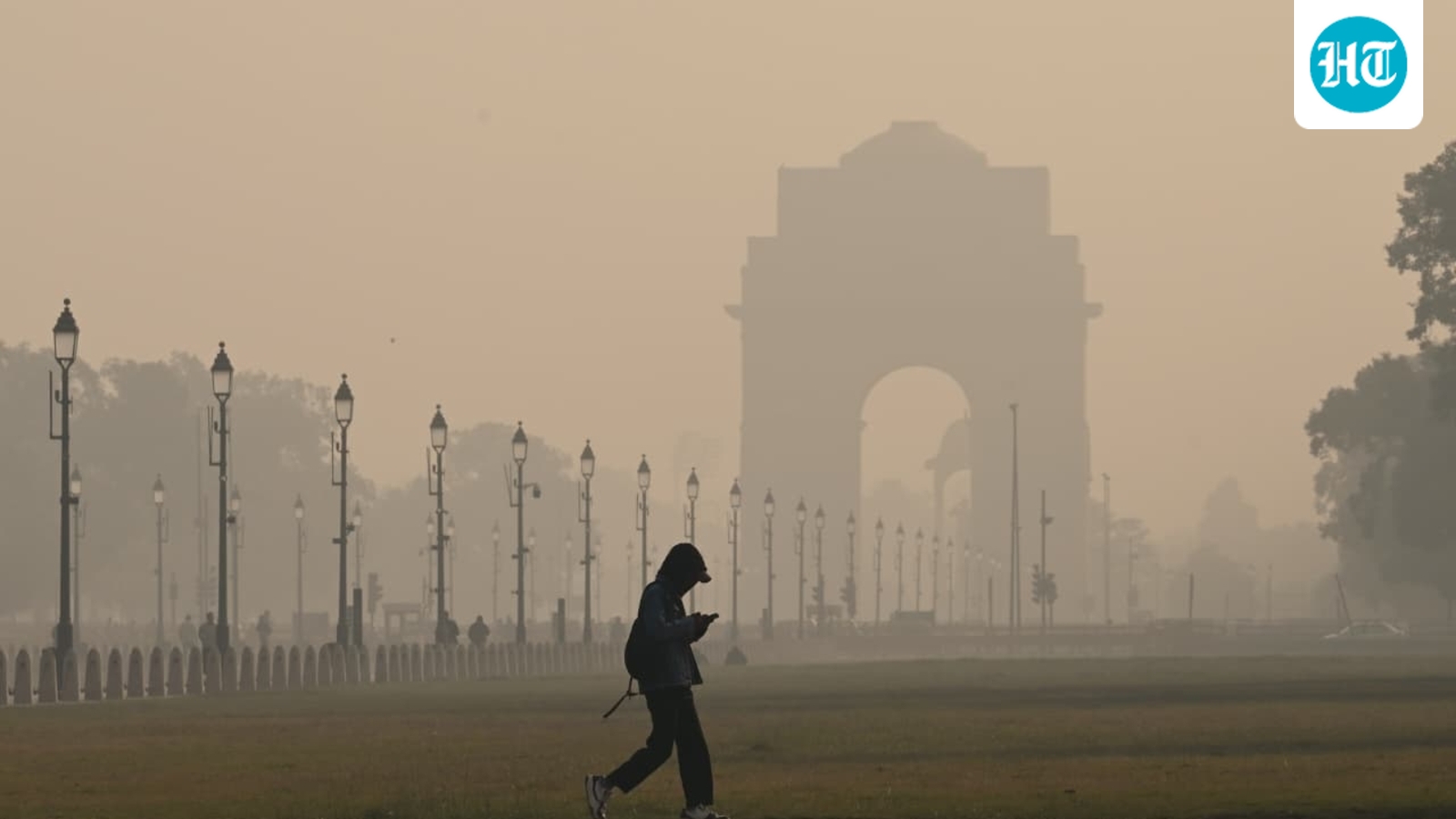
Delhi residents woke up to a hazy Saturday morning as the city's air quality plummeted to 'severe' levels, with several areas recording AQI readings above 400. The Central Pollution Control Board reported an overall AQI of 389 at 10 am, with Wazirpur recording the highest AQI of 450 at 9 am. The Commission for Air Quality Management has implemented Stage III of the Graded Response Action Plan across the National Capital Region in response to the deteriorating air quality.
The national capital's air quality crisis has prompted the Directorate of Education to direct schools in the Delhi NCR region to shift to a hybrid mode for students up to class 5. Meanwhile, the Supreme Court has directed the governments of Punjab and Haryana to submit a status report on their efforts to curb stubble burning, a major contributor to Delhi's pollution problem. According to the Decision Support System, stubble burning accounted for 8.5% of Delhi's pollution on Friday, while transport emissions were the highest contributor at 19.8%.
The city's poor air quality is a result of a combination of high pollution levels and unfavorable meteorological conditions, including slow winds and low temperatures. The India Meteorological Department's EWS bulletin predicted mainly clear skies with smog or shallow fog during morning hours, but warned of decreasing wind speeds and poor air quality conditions.
The Central Pollution Control Board categorizes AQI levels as follows: 'severe' (AQI above 400), 'very poor' (AQI 301-400), 'poor' (AQI 201-300), 'moderate' (AQI 101-200), and 'satisfactory' (AQI 51-100).